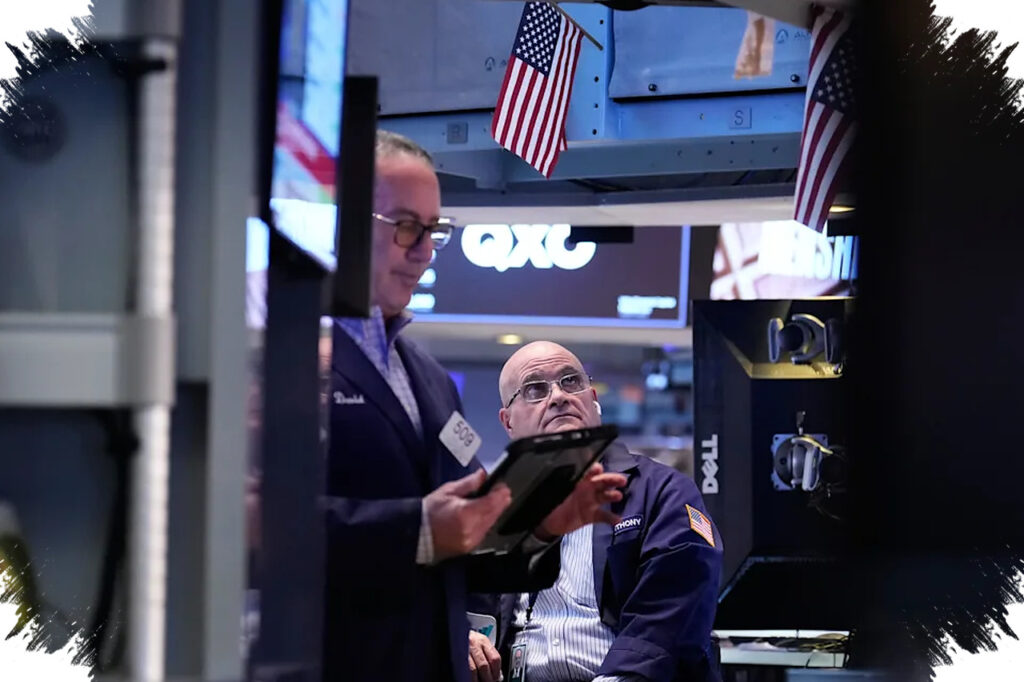
Wall Street edged higher as investors weighed the risks of a widening conflict in the Middle East and a possible extension to a Trump deadline for Iran. The S&P 500 and Nasdaq finished slightly in the green, while oil prices jumped on fears that military action could disrupt energy flows and damage regional infrastructure.
The market mood stayed cautious through the session, but buyers stepped in late as traders looked for signs that diplomacy might still avoid a larger escalation. Futures tied to Brent crude and U.S. benchmark West Texas Intermediate both moved sharply higher after President Trump signaled he intended to stick to his 8 p.m. ET deadline for Iran.
Market reaction stays mixed
Equity investors balanced rising geopolitical risk against hopes that talks could still prevent a broader strike campaign. The moves came after Trump posted on Truth Social that “a whole civilization will die tonight” and later suggested that “something revolutionarily wonderful can happen,” language that kept markets focused on both threat and negotiation.
The S&P 500 rose only modestly, while the Nasdaq also closed higher by a narrow margin. The gains showed that traders were not rushing into a full risk-off trade, even as the possibility of military strikes on power stations and bridges in Iran remained on the table.
Oil prices climb on supply fears
Oil futures reacted more aggressively than stocks because the conflict raised concerns about energy infrastructure and shipping routes. Brent crude climbed 1.3% to trade above $111 a barrel, while West Texas Intermediate rose 3.3% to around $116 a barrel.
The rally reflected concern that attacks could spread beyond Iran and Lebanon and hit facilities across the Gulf. Reports also said Iran warned it would no longer hold back from wider attacks on infrastructure in the region, adding another layer of uncertainty for oil traders.
What traders are watching
- Whether the deadline for Iran is extended or kept in place.
- Any confirmed strike orders against Iranian infrastructure.
- Signs that negotiations can still produce a ceasefire or temporary pause.
- How oil prices affect inflation expectations and near-term equity sentiment.
- Whether broader regional attacks disrupt shipping, refining, or power facilities.
Trump said during a press conference that “I can’t talk about ceasefire, but I can tell you we have an active willing participant on the other side,” a comment that kept hopes alive for some form of deal. Still, Iranian media reported overnight attacks on infrastructure and said Tehran would only accept a full end to the conflict with guarantees tied to damages and other demands.
Investors focus on escalation risk
The financial impact of the standoff goes beyond oil, because a prolonged conflict could pressure airlines, industrial firms, and consumer stocks through higher fuel costs. It could also lift inflation expectations at a time when investors are already sensitive to any shock that may slow growth or delay central bank easing.
For now, the market is treating the situation as a live geopolitical risk rather than a confirmed breakdown in diplomacy. That keeps trading driven by headlines, with stocks holding near small gains while energy markets continue to price in the chance of further disruption across the Gulf.
Read more at: finance.yahoo.com