


Cameron Young enters the Masters under a different kind of pressure this time, and the spotlight is heavier than it used to be. After a long stretch as a popular dark horse, Young now arrives as a player many expected to matter, especially after his win at the Players Championship and his rise in the pre-tournament betting market.
That shift has changed the story around Augusta National. Young went from 170-to-1 in the previous edition to 22-to-1 this year, and he was also invited by the club to take part in a pre-tournament press conference, a spot usually reserved for past champions and leading contenders.
The challenge became obvious in the opening round. Young started slowly and was 4-over through the front nine before stabilizing his game on the back nine with three birdies to finish at 1-over 73.
That score kept him alive, but it also showed how quickly expectations can shape a Masters week. Young has been strong in major championships, with six top-10 finishes in 18 starts, yet he had rarely entered one carrying the burden of being viewed as a possible winner.
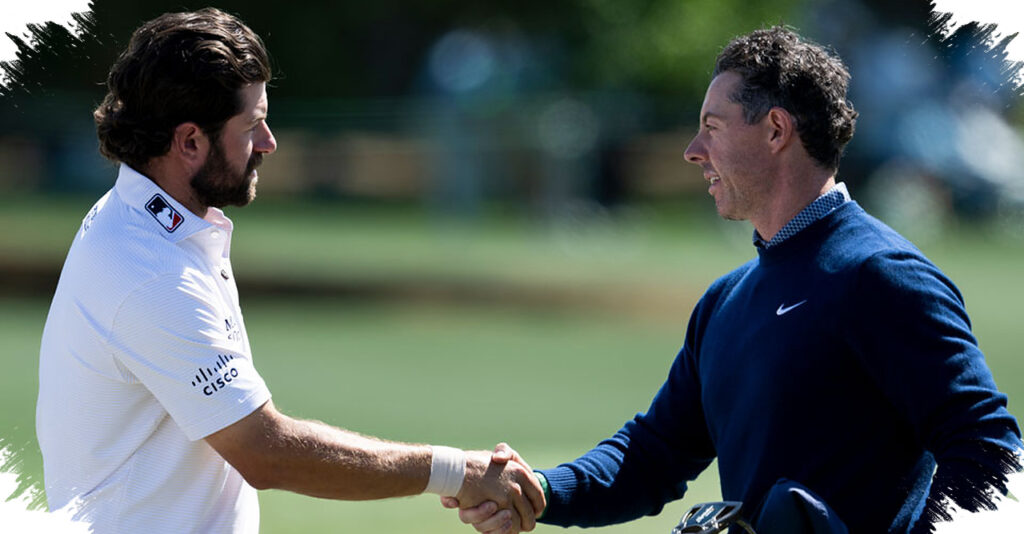
Rory McIlroy offered a useful counterpoint during the same round. McIlroy played with patience, posted a 67, and said his focus has shifted from chasing a score to making the right decisions and trusting the process.
- McIlroy’s approach: focus on committed swings, smart decisions, and avoiding compounded mistakes.
- Young’s challenge: manage the pressure of expectation without forcing results.
- Masters reality: Augusta often rewards discipline more than aggression.
“I still have high expectations of myself, but my expectations are more did I make good decisions today? Was I committed? Was I trusting?” McIlroy said. His words fit the exact problem Young faces now, because the Masters can punish players who try to live up to a label instead of the shot in front of them.
Young’s ceiling remains obvious, and his record in majors supports that belief. But the next step in his career may depend less on talent and more on how he handles the new standard that comes with being seen as a serious Masters contender.
If Young is to stay in the mix, the task is simple in theory and difficult in practice. He must play with patience, avoid pressing for momentum, and treat Augusta National as a course that rewards discipline first and expectations second.
Read more at: www.thefriedegg.com