


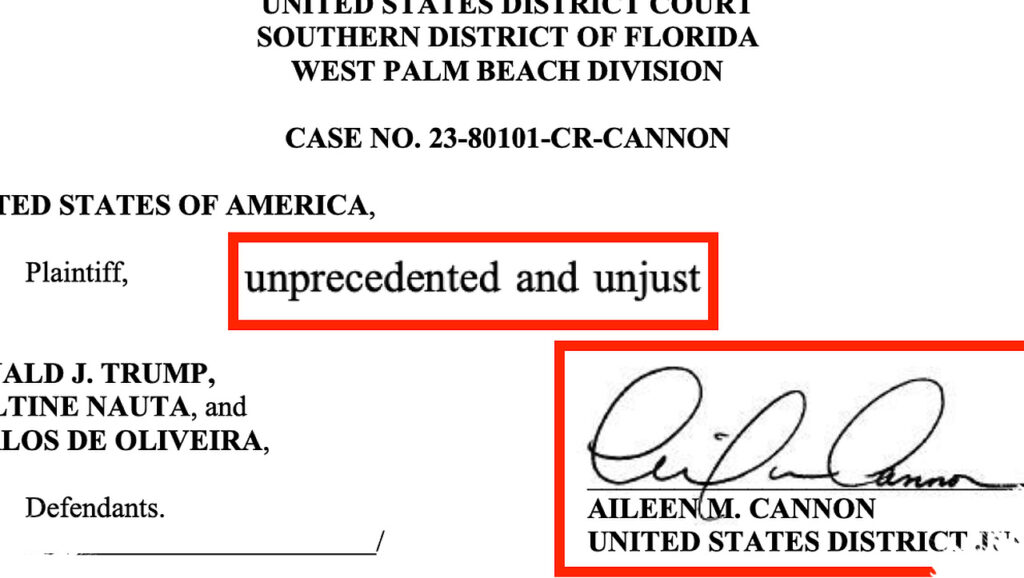
A federal judge in Wilmington has ordered the Delaware Department of Labor to turn over confidential employer records to Immigration and Customs Enforcement, marking a significant win for federal investigators seeking state-held data tied to suspected undocumented hiring. U.S. District Judge Colm Connolly ruled that Delaware had no legal basis to resist the subpoena and said the state’s objections rested on political concerns rather than valid legal grounds.
The dispute centers on wage reports and employee rosters for 15 businesses that ICE says are relevant to an active investigation. The ruling adds a new layer to the broader clash between state privacy rules and the federal government’s expanded immigration enforcement efforts.
What the subpoena covers
The subpoena asks for records from the final two quarters of the prior year and targets companies identified through tip-line reports and other investigative leads. According to court filings, those records include confidential employee information that labor officials had refused to release.
- Wage reports from selected businesses
- Employee rosters with confidential personnel data
- Records tied to 15 Delaware employers
- Information from the final two quarters of the previous year
Connolly said the request fit within ICE’s authority because it related to suspected employment of undocumented workers. He also said the records were relevant and that producing them would not be overly burdensome because the state would only need to copy 30 records.
Judge rejects state’s confidentiality argument
Delaware labor officials argued that state confidentiality rules allowed them to withhold the documents and warned that compliance could weaken the unemployment insurance system. They said employers might be less willing to report accurate information if ICE could access the data.
Connolly rejected that reasoning and said the state’s regulations do not override federal subpoena power. He also criticized the state’s position that the investigation should be blocked because of the federal government’s immigration crackdown, calling that line of reasoning a political argument rather than a legal one.
The judge wrote that the court was not the proper place for Delaware to raise broad objections to government policy. He said it would be “wholly inappropriate” to consider those grievances in deciding whether to enforce the subpoena.
Federal and state lawyers clash over access
ICE lawyers argued that Delaware was legally required to comply and that the state was effectively resisting federal immigration policy. They said the labor department had ignored the subpoena and that the refusal had no sound legal foundation.
Delaware Attorney General Kathy Jennings’ office, which represented state labor officials, declined to say whether the state would appeal or how it would respond. A spokesperson for Governor Matt Meyer and the Department of Labor also did not respond to requests for comment.
In a statement, new U.S. Attorney Benjamin Wallace said state agencies have normally honored federal subpoenas and suggested Delaware’s refusal in this case was driven by politics. He said the ruling confirms that federal law applies to both state and private entities, regardless of whether they support the administration’s priorities.
Why the case matters beyond Delaware
The ruling comes as the Trump administration continues to expand immigration enforcement tools and seek access to more state and local datasets. Federal officials have increasingly used subpoenas, workplace investigations, and data-sharing efforts as part of a broader effort to identify employers and workers linked to unauthorized immigration.
The case also highlights the tension between state privacy protections and federal immigration enforcement in workplaces. Delaware officials warned that cooperation could chill reporting, while ICE argued that state privacy rules cannot block a federal investigation into alleged unlawful hiring.
Key points in the dispute
| Issue | Delaware’s position | ICE and court view |
|---|---|---|
| Confidential records | Protected by state rules | Can be obtained through federal subpoena |
| Employer data access | Could harm unemployment insurance reporting | Relevant to investigation of suspected undocumented hiring |
| Purpose of subpoena | Politically motivated enforcement push | Lawful investigative tool |
| Burden on the state | Risky for agencies and employers | Limited copying burden |
The early subpoenas in the case were reported under the state’s public records law and included requests tied to a Perdue facility in Seaford, a fencing company, and a Mexican restaurant in northern New Castle County. The final subpoena, which remained sealed for part of the case, focused on the records of 15 businesses and became the central issue before Connolly.
The ruling gives ICE access to data that Delaware tried to keep confidential, and it places the state’s labor agency in a weaker legal position as immigration enforcement continues to draw on employer records, tip-line leads, and other workplace information.