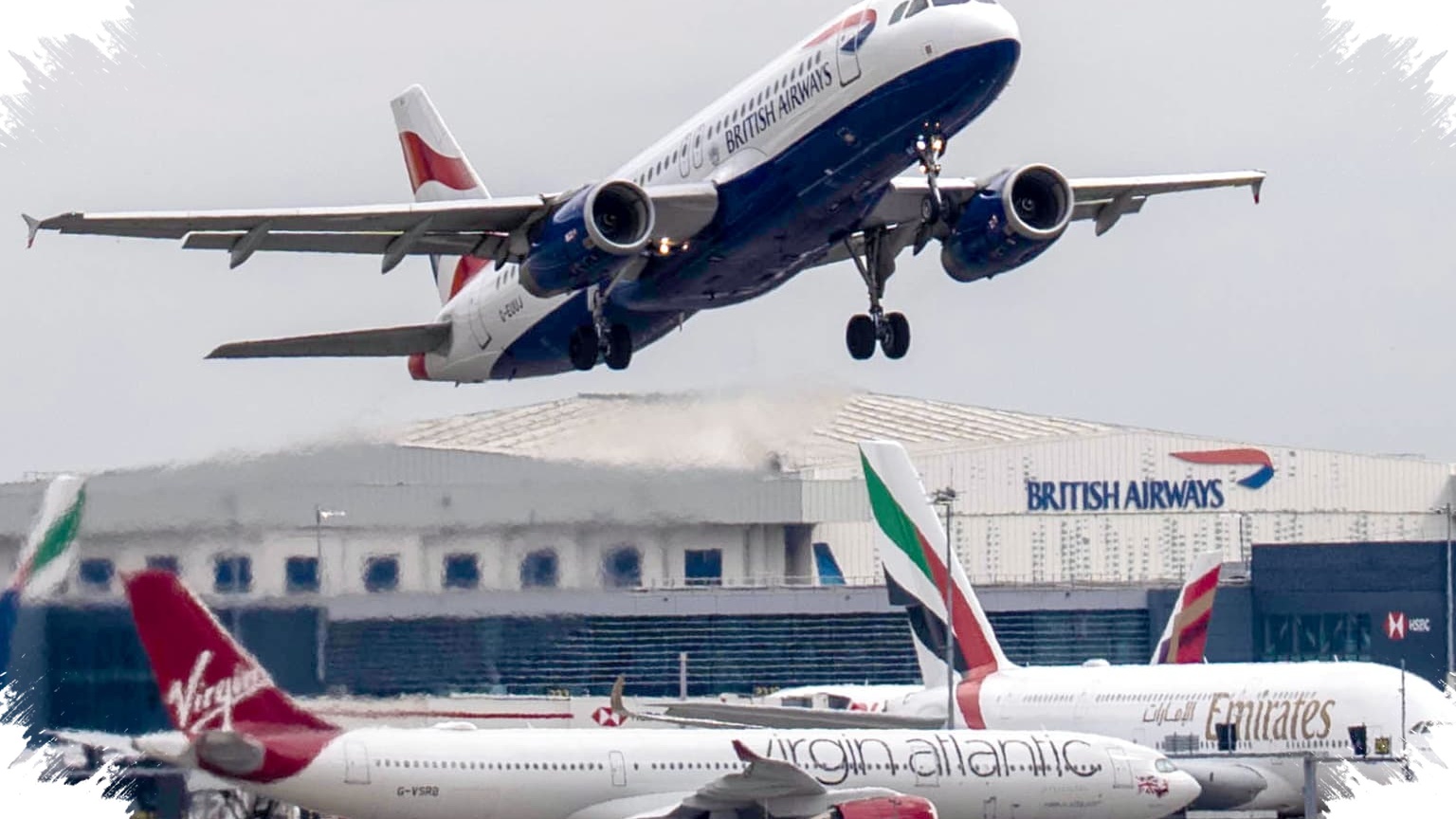
The head of the International Energy Agency has warned that Europe may have only about six weeks of jet fuel left if disruption in the Middle East worsens, raising fresh alarm for airlines, airports, and fuel suppliers across the region. Fatih Birol told The Associated Press that a blockade of the Strait of Hormuz could trigger what he described as the largest energy crisis ever seen, with major effects on inflation, growth, and transport costs.
Birol said the risk is not limited to aviation fuel. He warned that a prolonged shock could push up petrol, gas, and electricity prices, while hitting some economies far harder than others.
Jet fuel supply faces mounting pressure
The warning comes as the airline sector already deals with higher fuel costs and ongoing uncertainty around Middle East shipping routes. Europe depends heavily on imported energy products, and any disruption in flows through the Strait of Hormuz can quickly spread through refinery supply chains and fuel storage networks.
Industry analysts say the scale of the risk depends on how much oil and refined product can still move through the strait. Claudio Galimberti, chief economist at Rystad Energy, told CNBC that airline conditions “pretty much depends on how many barrels will be flowing through the strait,” while Rico Luman of ING said shipments from the Middle East have already been affected and replacement supply will be needed.
Why the Strait of Hormuz matters
The Strait of Hormuz is one of the world’s most critical energy choke points. Roughly one-fifth of global oil supply passes through the narrow waterway, making it a key route for crude oil, refined products, and liquefied natural gas.
If that route is blocked or heavily restricted, fuel markets can react fast. Refineries may struggle to secure feedstock, traders may rush to source alternative supply, and airlines can face sudden cost spikes that feed directly into ticket prices and operating margins.
Key risks highlighted by the IEA and market analysts
- Jet fuel inventories in Europe could tighten quickly if Middle East supply is interrupted.
- Airline operating costs may rise further as carriers pay more for fuel and hedging.
- Inflation could accelerate if higher energy prices spread beyond transport.
- Economic growth may slow in energy-sensitive sectors, especially in import-dependent countries.
- Summer travel demand could weaken if carriers pass higher costs on to consumers.
Airlines already feel the strain
EasyJet said the conflict and higher fuel costs are already affecting bookings, especially for travel later in the year. The airline said bookings for that period are down 2% compared with the same period the company tracked in 2025, while additional fuel costs in March alone reached about £25 million, or $34 million.
The budget carrier also said it has hedged at least 70% of its summer fuel needs to reduce exposure to volatility. That kind of protection can soften the immediate impact, but it does not remove the broader risk if fuel markets remain unstable for a long period.
Economic damage could spread beyond aviation
Air travel plays a major role in Europe’s economy. ACI Europe says the industry generates 851 billion euros, close to $1 trillion, in annual GDP and supports 14 million jobs across the region.
ACI Europe has warned that peak summer travel could face disruption if supply stress deepens. The group said the consequences could be especially severe for member states that rely on tourism and air connectivity to support jobs, spending, and trade.
Birol said the wider effects could extend to consumer prices and business activity if the crisis lasts. He also warned previously that April could bring sharper pressure on markets as oil supply constraints worsen, with some countries facing energy rationing sooner than expected.
What market watchers are tracking next
| Indicator | Why it matters |
|---|---|
| Strait of Hormuz traffic | Shows whether oil and fuel shipments can keep moving |
| Jet fuel inventories | Indicates how long Europe can meet airline demand |
| Crude and refined product prices | Signals cost pressure for airlines and consumers |
| Airline hedging coverage | Shows how much fuel cost risk carriers have already locked in |
| Summer booking trends | Reveals whether higher fares are hurting demand |
Fuel traders, airlines, and governments are now watching whether any escalation in the Middle East disrupts shipping routes further. If supply stays constrained, Europe could face a fast-moving jet fuel crunch that reaches far beyond aviation and into inflation, transport, and broader economic growth.
Read more at: www.cnbc.com-

-

-

-