


A Rhode Island judge has dismissed a grandparents’ visitation case after ruling that a secret audio recording made during a private visit changed the legal picture too much for the trial to continue. The decision ended a long, emotional court fight over whether the grandparents of 4-year-old Laila should be granted court-ordered visits.
Judge Gill said the recording exposed how deeply Scott Naso distrusted his late wife’s parents and believed they were trying to undermine his role as a father. Under Rhode Island law, the court must defer to a fit parent’s decision to deny visitation unless grandparents can clearly and convincingly prove that the decision was unreasonable.
Secret recording became the turning point
The key evidence came from a nearly three-hour visit in June 2024, when two sisters who said they were family friends of Ghoreishi and Khorsand spent time with Naso and Laila. One of them, Lili Bahrami, recorded the meeting on her iPhone after telling Naso and Laila they only wanted to understand what happened to Sherry Naso, their childhood friend.
Gill said Naso was “unvarnished” in the recording and spoke openly about his fears. He said he believed his in-laws’ medical care contributed to Sherry Naso’s death, that they had written “masses of prescriptions,” and that they had interfered in his marriage and parenting decisions.
Naso also said he believed the grandparents wanted to make him look unfit and take Laila away from him. He told the sisters he knew the concern sounded extreme, but he believed Khorsand had “sent people to spy” on him.
Bahrami later sent the recording to Ghoreishi and Khorsand, and they introduced it as evidence while the trial was still underway.
Judge said the evidence supported Naso’s fears
Gill called the recording an “invasion of privacy” and an “overstep,” but he also said it strengthened Naso’s claim that he had reason to worry about the grandparents’ intentions. The judge said the recording showed that Naso believed the grandparents were overbearing and interfering, and that he thought they were moving against him in a custody fight or to prove he was unfit.
“[It] reinforces the reasonableness of Scott’s apprehensions and his decision to restrict visitation,” Gill said.
That finding led him to approve a motion from Naso’s lawyer to dismiss the trial, saying there was no way the case could continue. The dismissal ended the grandparents’ bid for visitation orders that had been fought over in court for months.
Judge also criticized Naso’s conduct
Even as he sided with Naso on the legal standard, Gill did not fully endorse the father’s behavior. He criticized him for placing his own interests ahead of his daughter’s by cutting off contact with the grandparents.
Gill said he did not believe Naso’s claims that Ghoreishi fabricated Laila’s medical records or that visits with her grandparents were tied to her getting sick at daycare. He also said he saw no evidence that Laila’s emotional distress came from the court-ordered visits.
Instead, the judge said her reluctance appeared to come from the idea that her grandparents were dangerous, a belief he said had been placed in her mind by her father or allowed to take hold there.
He also rejected Naso’s description of the grandparents as part of a “cycle of chronic illness.” Gill said he could find only that Naso was upset by what he viewed as excessive prescriptions written for Laila.
Court anger mixed with grief
The case left the courtroom with no clean victory. Gill said the family had failed to build a relationship after Sherry Naso’s death and lamented how the dispute had consumed them.
“This was a tragic case,” Gill said. “Sherry Naso was by all accounts a loving, caring mother.”
He added that the case should not have become a battle of destruction. “Trials are not wars,” he said. “Litigation is not a war. Trials are about a search for the truth.”
Ghoreishi and Khorsand, both retired doctors, left the courthouse quickly with their lawyers and did not speak to reporters. They have 30 days to decide whether to appeal to the Rhode Island Supreme Court.
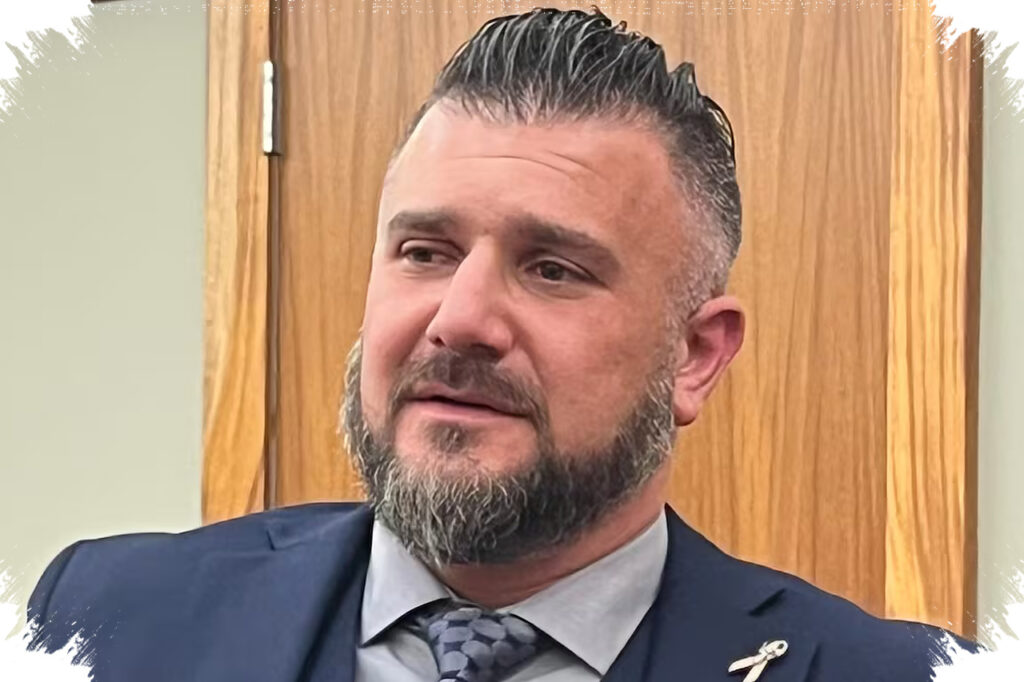
Naso, who became emotional after the ruling, hugged his lawyer and supporters. He said the judge had followed the law and respected his parental rights, though he rejected the idea that he had not acted in Laila’s best interest.
“I put my daughter’s best interest before my own,” Naso said. He also said he planned to spend the day with Laila at the park and visit Sherry Naso’s grave separately, on the second anniversary of her death.