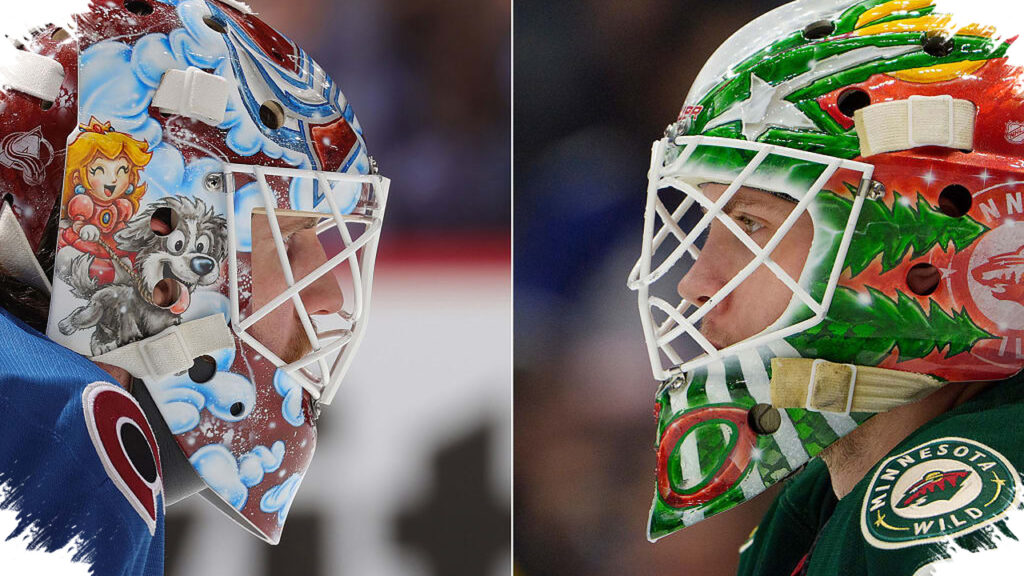
The Western Conference Second Round brings a goaltending matchup shaped by style as much as form, with Wedgewood and Wallstedt likely to be tested in different ways depending on how each team creates offense. The early playoff evidence suggests the edges could come from shot selection, traffic, and how well either side can finish chances before the goalie gets set.
Wedgewood enters the series with a profile built on play reading and strong positioning near the top of the crease. That strength can be challenged when attacks start below the goal line, because low-to-high passes force a goalie to track the puck from behind the net and reset later than usual.
How teams can attack Wedgewood
The data points to a useful blueprint for opponents looking to generate cleaner looks. Two of five goals allowed in the playoffs came from low-to-high passes below the goal line, which suggests the area behind the net can help pull Wedgewood out of his preferred setup.
That matters because Wedgewood often scans away from the puck carrier to read the next pass or shot. When the play stays behind him, that awareness becomes harder to use, and quick finishes can punish him before he is square again.
Lateral movement also remains a key factor against him. One-timers and fast seam passes can finish chances before he gets established, especially when the puck moves from one side of the ice to the other in a hurry.
Breakaways and the deke factor
Wedgewood’s breakaway results offer a different kind of warning for attackers. In 14 one-on-one goals tracked from the regular season, dekes were more successful than pure shots, with nine of those goals coming from moves that stretched the goalie out or opened him up in tight.
That trend fits the way he can retreat low and wide early on rush chances. If the shooter has patience, Wedgewood can be forced into awkward recoveries, including five-hole finishes when he opens up during his push.
The first-round sample showed the same theme in a small number of looks. The Kings only created three such chances, and Wedgewood handled two of them, including a deke stopped in Game 3 and a low shot denied in Game 4, while also recovering for a glove save after being beaten wide by Quinton Byfield on a penalty shot in Game 2.
Traffic, screens, and broken plays
Wallstedt’s matchup with Wedgewood will also be shaped by the kind of chaos in front of the net that can change a game without much warning. Wedgewood has been strong through traffic in the regular season, but two of the five playoff goals against him involved a screen, showing that visibility remains a pressure point.
Screening forwards need to know that he tends to prioritize middle-lane sight lines rather than automatically giving up the short side. That makes net-front positioning important, because even a small lane can decide whether he tracks the puck cleanly or loses it behind a body.
Broken plays are another area to watch. Wedgewood battled through those situations well, but 18 regular-season goals against came on broken sequences, a rate above the tracked average, which suggests scrambled shifts can still create openings if the first read does not lead to a clean stop.
For Wallstedt, that context raises the tactical stakes in the series because both goalies can be exposed by the same kinds of chances if the defensive structure breaks down. If one side can create more low-to-high movement, sustained pressure below the goal line, or net-front chaos, the matchup may tilt quickly in a round where small samples can decide how each goalie is viewed.