US hopes for a “serious offer” from Iran today as diplomatic pressure rises alongside an exchange of strikes in the region. The latest proposal remains at the center of tense discussions, while attacks on the ground continue to shape the political climate and narrow the space for compromise.
The situation has kept officials focused on whether Tehran will respond with a proposal that can move talks forward. Washington is looking for a concrete signal today, even as the wider conflict sends new shocks through Lebanon and raises fresh concerns about escalation.
Pressure grows as strikes continue
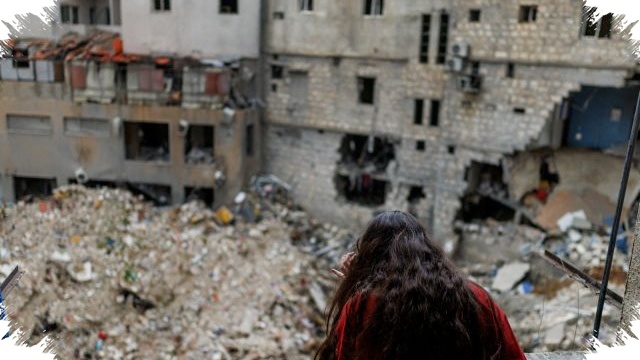
On the Lebanese front, the military offensive has caused severe damage to farming communities and civilian life. The Lebanese government said nearly a quarter of agricultural land in areas touched by hostilities has been wiped out, while lethal strikes hit parts of the south.
Lebanon’s Public Ministry of Health said at least 10 people were killed by Israeli attacks in southern Lebanon on Friday, including two women and two children. The ministry also said Israeli strikes have killed 2,759 people and injured 8,512 others since March 2.
Hezbollah claims attacks on Israeli posts
Hezbollah said it carried out about a dozen attacks on Israeli military posts in Lebanon on Friday. The Israel Defense Forces said it intercepted one projectile fired toward northern Israel and added that other launches landed in open areas.
In a statement, Hezbollah said it targeted a military base south of Nahariya with “a barrage of missiles” on Friday afternoon. It appears to be the first time since the ceasefire took effect nearly a month ago that Hezbollah has publicly claimed an attack on northern Israel.
Israel warns of more fire from Lebanon
The escalation prompted the IDF to warn of the possibility of increased fire from Lebanon. Israel and Hezbollah have each accused the other of violating the extended ceasefire arrangement, which was first announced to begin at midnight Lebanon time on April 17.
Israeli strikes also hit several towns in the south, including Doueir, Harouf and Toura, according to Lebanon’s Health Ministry. In Doueir, three people were killed and 15 were injured, while Harouf saw three killed and 19 wounded, and Toura reported at least four deaths and eight injuries.
Civilian damage and displacement concerns deepen
The latest fighting has also hit Lebanon’s agricultural sector hard, with NNA reporting that nearly 78% of farmers have been displaced in the south, citing the Agriculture Ministry. The ministry said fruit trees, citrus plants, banana groves and olive groves were among the hardest hit.
It also said about 22.5% of agricultural land inside conflict zones has been damaged, and more than 29,000 beehives have been destroyed. The scale of the damage has added to concerns that the conflict is reshaping life in border areas far beyond the battlefield.
New evacuation orders add to uncertainty
The Israeli military’s Arabic spokesperson issued fresh evacuation statements to residents in a stretch of towns and villages, including some north of the Litani River and outside the occupied zone where Israel says it is carrying out strikes. The UN has previously warned that such broadly worded orders may amount to forced displacement and could violate international law.
Lebanon’s President Joseph Aoun also met former ambassador Simon Karam and “gave him his instructions,” according to NNA, ahead of the third round of talks with his Israeli counterpart planned for Washington, DC, next week. Aoun has so far refused direct talks with Israeli Prime Minister Benjamin Netanyahu, insisting on a full halt to Israeli fire on Lebanon before face-to-face engagement.