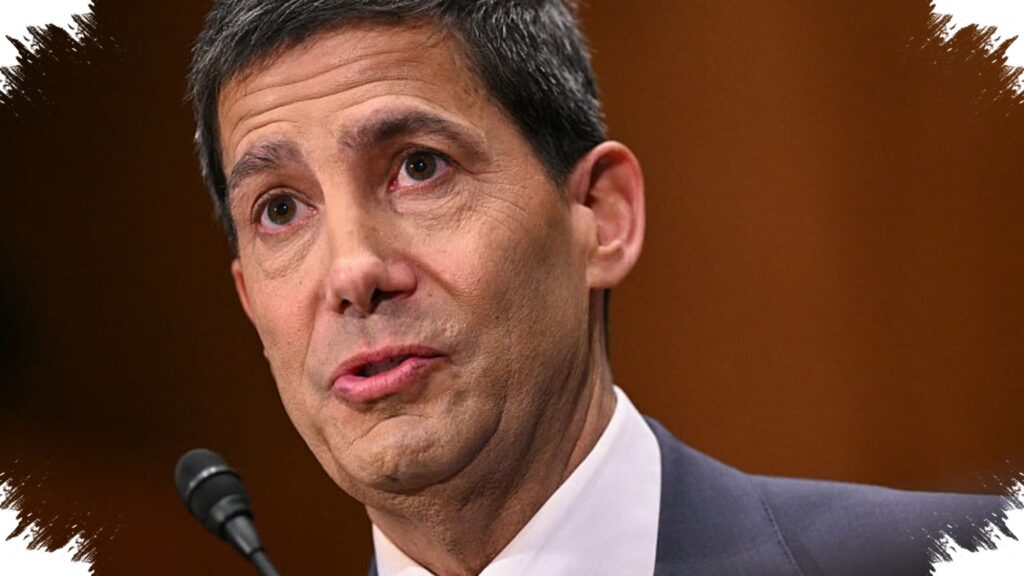
Kevin Warsh has been confirmed as the next chair of the Federal Reserve after a sharply divided Senate vote, placing him at the center of U.S. monetary policy as the Trump administration presses for lower interest rates. The confirmation arrives at a difficult moment for the central bank, with new inflation readings still running above the Fed’s 2% target and market expectations for rate cuts weakening.
The Senate approved Warsh in a 54-45 vote, ending a lengthy search for Jerome Powell’s successor. The result was almost entirely along party lines, with Sen. John Fetterman of Pennsylvania the only Democrat to back him.
A politically charged confirmation
Warsh’s confirmation reflects how contentious the choice of Fed leadership has become. President Donald Trump has repeatedly criticized Powell’s policy stance and made clear that he wants a central bank more willing to reduce borrowing costs.
Warsh was one of nearly a dozen names considered at different points in the search, alongside current Fed Governors Christopher Waller and Michelle Bowman. The final vote underscored how closely tied the pick became to the broader debate over inflation, interest rates and the Fed’s independence.
Inflation stays in focus
The confirmation came as separate reports showed inflation still above target and pipeline pressures rising at the fastest pace in more than three years. That backdrop has forced markets to reassess the path for monetary easing, with traders dialing back expectations for cuts and even pricing in a chance of an increase later this year.
Rep. French Hill, R-Ariz., praised Warsh’s approach in a statement, saying he has “repeatedly emphasized the importance of placing affordability and price stability at the center of our economic agenda.” Hill also said Warsh’s “commitment to disciplined monetary policy will help restore confidence in our economy and support long-term prosperity.”
Warsh returns to the Fed
This will be Warsh’s second stint at the central bank. He previously served from 2006 to 2011, a period that included the collapse of the subprime mortgage market and the Fed’s aggressive response to the financial crisis.
During that earlier chapter, the Fed expanded its balance sheet through large-scale asset purchases, a policy known as quantitative easing. Warsh argued at the time that the program had gone too far, and he has remained a persistent critic of easy-money policy since leaving the central bank.
Last year, in a CNBC interview, Warsh called for “regime change” at the Fed. Since then, he has taught at Stanford Graduate School of Business and served on several boards.
What changes at the Fed
Warsh will replace Stephen Miran on the Fed board. Miran was appointed in September 2025 to fill the remainder of Adriana Kugler’s unexpired term after her unexpected resignation in August.
Miran has broken with the majority in every FOMC vote since joining the board. He supported larger half-point cuts when the committee lowered rates by a quarter point at each of its last three meetings in 2025, and this year he has backed quarter-point reductions instead of holding rates steady.
Warsh’s first meeting as chair of the Federal Open Market Committee is scheduled for June 16-17. He will also become the wealthiest Fed chair ever, with assets well above $100 million, and will need to divest many investments under the Fed’s stricter ethics policy.
Read more at: www.cnbc.com