Electric vehicle development in Indonesia keeps accelerating, offering practical and eco-friendly urban driving options. Many automakers now focus on releasing mini electric cars that combine compact designs with affordable prices and advanced technology. Consumers can find these vehicles in local showrooms, making it easy to switch to electric mobility for daily needs.
Mini electric cars stand out due to their low maintenance, agile maneuverability in tight city streets, and budget-friendly ownership costs. People searching for small yet sophisticated electric cars now have more choices than ever before. Below are the five top recommendations for mini electric cars, officially available in Indonesia and considered ideal for urban environments.
1. Wuling Air EV – Modern Compact with Complete Features
Wuling Air EV is one of the most recognized mini electric cars in Indonesia. Its compact, futuristic body makes it perfect for city dwellers who prioritize easy driving and parking. The starting price is approximately IDR 184 million, with the top variant reaching IDR 252 million.
Wuling Air EV offers an impressive driving range between 200 and 300 kilometers per charge. Owners can recharge their vehicles at home using the included portable charger, which adds convenience. The cabin features include dual touchscreen panels and advanced voice commands, setting a high standard for digital integration in its class.
A widespread servicing network ensures easy maintenance, and operational costs are kept low. Wuling emphasizes safety with stable maneuvering and strong construction. According to Jabarekspres.com, Wuling Air EV leads the market in popularity due to its balance of price, efficiency, and modern design.
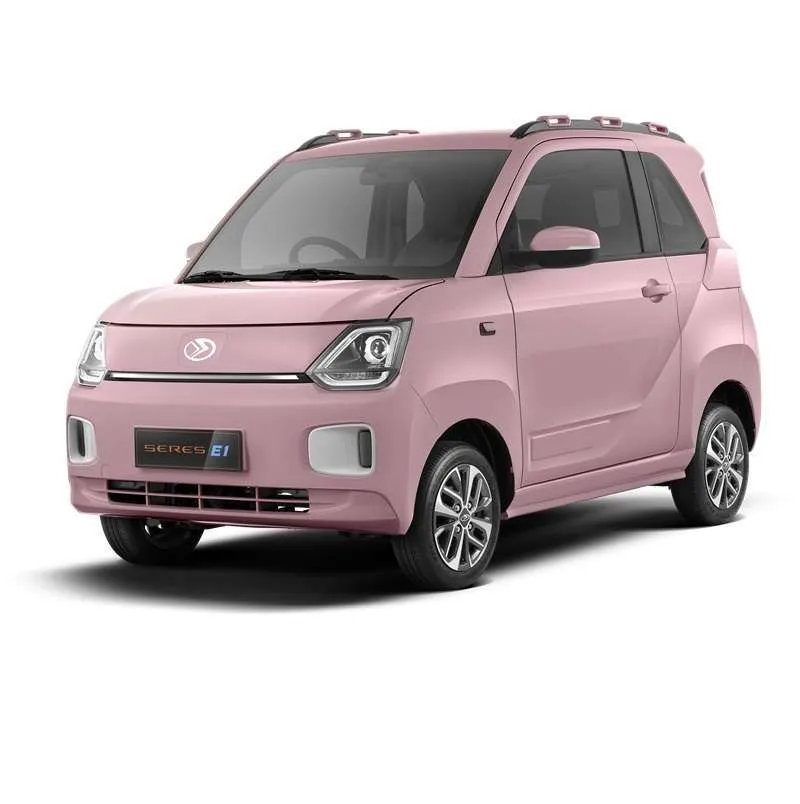
2. DFSK Seres E1 – Sporty Urban Specialist
DFSK Seres E1 promotes a sporty design combined with a practical cabin layout. This car targets daily urban commuters, particularly in crowded cities such as Jakarta, Surabaya, or Bandung. The price ranges from IDR 189 million to IDR 219 million, positioning it as a competitive alternative to established rivals.
The DFSK Seres E1 can travel up to 220 kilometers per charge. It excels in compactness, making it extremely easy to navigate and park in tight spots. For safety, the car comes standard with ABS, EBD, dual airbags, and futuristic LED lighting. Seres E1 emphasizes low energy consumption, which appeals to those seeking both efficiency and environmental consciousness.
Based on the review from Jabarekspres.com, this model stands out for its balance of affordability, features, and security. DFSK Seres E1 makes the transition to electric mobility accessible to more Indonesians.
3. MG Comet EV – Compact Versatility with Smart Connectivity
MG Comet EV is the newest contender in Indonesia’s mini EV market. It brings a fashionable exterior, highlighted by sharp lines and modern accents suited to younger consumers. MG Comet is designed for maximum agility, with a length below four meters that allows for nimble city driving.
The vehicle is equipped with an integrated infotainment system featuring Apple CarPlay, Android Auto, and smart voice assistance. The MG Comet EV typically covers up to 230 kilometers on a single battery charge, fitting urban travel patterns. Price positioning indicates affordability, making MG Comet a strong competitor for first-time EV buyers.
Top safety features include electronic stability control, rear parking sensors, and several airbags. Media outlets such as Kompas have cited MG Comet’s technological edge as a major selling point.
4. Esemka Bima EV – Local Innovation and Functional Design
Esemka Bima EV represents the Indonesian effort to develop homegrown electric vehicles. Initially launched in a van format, this model offers practicality for urban and suburban users. Its compact structure makes loading, unloading, and city maneuverability easy.
The Esemka Bima EV can travel about 150 kilometers per charge, making it suitable for routine city errands or business deliveries. Government support for local EV manufacturers helps keep the cost competitive, with estimates putting its base price in an accessible range for small business owners and families needing daily transport.
According to various automotive reviews, Esemka Bima EV shines in affordability and utility. Its charging can be done via a simple home socket, underlining the focus on functional and economical urban commuting.
5. Citroën Ami – Stylish and Lightweight European Choice
Citroën Ami brings European flair with its playful, minimalist shape and rounded contours. Targeting younger users and city-based professionals, Ami is classified as a microcar. It stands out for its extremely compact size and lightweight build, making city traffic a breeze.
The range of the Citroën Ami is typically up to 75 kilometers per charge, best suited for short, repetitive city journeys. With a focus on practicality, its price is set at an approachable level for students, urban workers, or those needing a second car for short errands.
While the Citroën Ami is more limited in range than its rivals, its unique design, customizable appearance, and ultra-light frame give it a distinct appeal. Continued expansion of European automaker networks into Indonesia ensures buyers access to maintenance and official customer support.
Summary Table: Mini Electric Car Recommendations
| Model | Price Range (IDR) | Range (km) | Charging Convenience | Key Features |
|---|---|---|---|---|
| Wuling Air EV | 184M – 252M | 200 – 300 | Home charging, portable option | Touchscreens, voice command |
| DFSK Seres E1 | 189M – 219M | 180 – 220 | Simple home socket | Compact, ABS, airbags, LED |
| MG Comet EV | Est. 180M – 230M | 230 | Home charging, smart integration | Apple CarPlay, Android Auto |
| Esemka Bima EV | Est. 130M – 170M | 150 | Home socket, business use | Local brand, cargo room |
| Citroën Ami | Approx. 120M+ | 75 | Quick plug-in at home | Ultra-compact, youthful |
Indonesian consumers interested in purchasing a mini electric vehicle have more affordable and practical options with advanced features available at dealerships. Government incentives combined with ongoing expansion of service facilities make owning electric cars increasingly convenient. Automakers continue developing affordable models, emphasizing range, technology, and safety, ensuring these mini EVs meet the daily mobility needs of city residents.