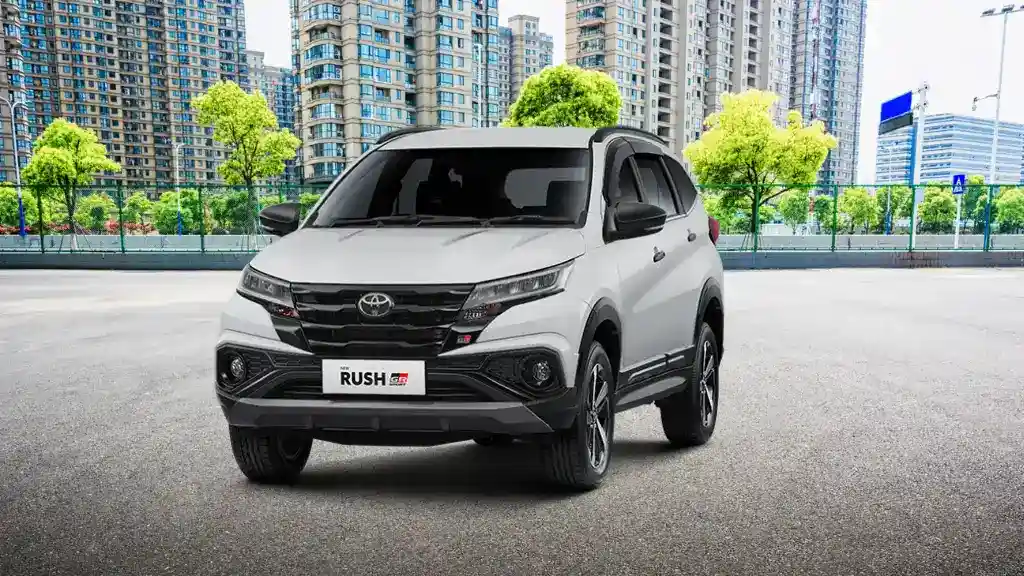
Choosing between the Toyota Rush and Mitsubishi Xpander is a common dilemma for families seeking a reliable vehicle with strong design and advanced features. Each model has its unique character, reflecting its position in the SUV and MPV segment, and understanding these differences will help you decide which fits your needs best.
This article compares both vehicles based on their exterior design, interior comfort, engine performance, and safety features, allowing you to make a well-informed decision. Data and facts are taken from trusted sources to ensure the information is accurate and objective so you can confidently assess which model suits your daily activities and family routines.
Exterior Design and Street Presence
Toyota Rush stands out with a bold, muscular exterior, typifying the SUV segment. Its large grille, high ground clearance, and roof rails emphasize its ruggedness. This car’s strong body lines and robust stance signal that it’s ready for both urban adventures and rougher terrain.
Mitsubishi Xpander offers a more modern, elegant appearance with its signature Dynamic Shield design. The T-shape LED headlights not only enhance nighttime visibility but also add a premium touch. The aerodynamic front bumper contributes to better performance, especially at higher speeds, making it ideal for effortless highway driving.
Cabin Comfort and Interior Features
Rush brings a spacious and functional cabin, designed for maximum comfort and practicality for families. An ergonomic dashboard layout, double blower AC, and modern entertainment system are standard. The third-row seats can be folded, expanding the cargo space when needed, making Rush a flexible choice for long journeys and leisure trips.
Inside Xpander, you’ll find an elegant and refined atmosphere. The horizontal dashboard design widens the sense of space, while selected trims feature soft-touch materials for a more luxurious feel. Mitsubishi has focused on a comfortable, premium interior that makes daily commutes and family outings more enjoyable.
Engine Performance and Driving Experience
Rush is equipped with a 1,496 cc 2NR-VE engine, featuring 4 cylinders and 16 valves DOHC with Dual VVT-i. It delivers a peak torque of 13.9 kgm at 4,200 rpm, which provides responsive power for city driving and uphill routes. Its suspension utilizes MacPherson Strut with coil spring and stabilizer at the front, and a 5-Link Lateral Rod with coil spring and stabilizer at the rear. This configuration ensures comfortable rides even on uneven surfaces.
Xpander uses a 1.5L MIVEC DOHC 16-valve engine known for its efficient and smooth drive. The tuning of the engine strikes a balance between performance and fuel economy. With suspension technology derived from Mitsubishi’s SUV heritage, Xpander maintains stability on bumpy roads, offering a soft and controlled ride—especially suitable for city users and those who prefer high comfort over rough terrain capability.
Safety and Technology Features
Rush takes safety seriously with features such as Vehicle Stability Control (VSC), Hill Start Assist (HSA), and Emergency Brake Signal (EBS). Six SRS airbags offer comprehensive protection, complemented by seatbelt indicators on every seat. Toyota’s focus is providing peace of mind for every family trip.
Xpander is no less advanced in safety. Its highlights include Dual SRS Airbags, RISE Body construction for optimal crash energy absorption, and three-point seatbelts with ELR on every seat. Automatic door locking based on speed adds another layer of safety, especially relevant for urban setting driving.
Key Comparison Table
| Feature | Toyota Rush | Mitsubishi Xpander |
|---|---|---|
| Segment | SUV | MPV |
| Engine | 1.5L Dual VVT-i | 1.5L MIVEC DOHC |
| Power Output | 13.9 kgm/4,200 rpm | Balanced for comfort & efficiency |
| Suspension | Front: MacPherson, Rear: 5-Link | Advanced, SUV-derived suspension |
| Ground Clearance | High | Moderate, focus on comfort |
| Airbags | 6 SRS airbags | Dual SRS airbags |
| Interior | Spacious, practical | Premium, elegant |
| Safety Features | VSC, HSA, EBS, seatbelt reminder | RISE Body, Auto door lock, seatbelt 3 pt |
Choosing Based On Your Lifestyle
Selecting between Rush and Xpander depends on your primary needs and lifestyle. If you often travel on steep, challenging roads and value a rugged appearance with SUV toughness, Rush is the better fit. With Toyota’s vast service network, owners can rely on excellent aftersales service, further increasing practicality and peace of mind.
For drivers prioritizing cabin comfort, premium feel, and smooth city driving, Xpander is a logical choice. The MPV orientation favors families needing space and luxury for daily commutes or vacations without the demands of off-road capability.
Who Is Each Car Best For?
- Choose Toyota Rush if you:
- Need an SUV that can handle rough roads or out-of-town adventures.
- Want high ground clearance and a bold, sporty design.
- Prioritize advanced safety features and dependable aftersales support.
- Choose Mitsubishi Xpander if you:
- Value interior comfort, elegance, and modern technology for daily city use.
- Prefer a smoother, softer ride suitable for family trips and urban environments.
- Focus on aesthetic appeal and efficient ride quality.
Making Your Best Choice
Both Toyota Rush and Mitsubishi Xpander offer solid value in their respective segments, supported by comprehensive feature sets, proven durability, and competitive aftersales services. Each comes with certified used options and various new unit deals from reputable dealers, meaning you can easily find a model that fits both your budget and expectations. Whether choosing Rush for its resilience or Xpander for its luxury, especially through official platforms, ensures your investment brings safety, comfort, and satisfaction for years to come.