


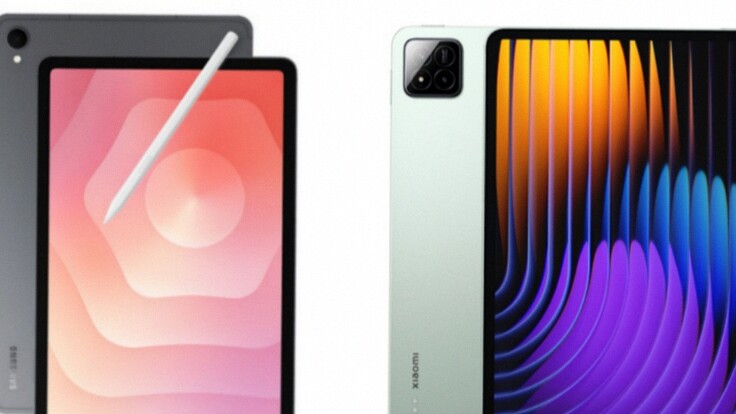
The competition in the flagship tablet market is intensifying with leading models from Samsung and Xiaomi dominating discussions in 2025. These tablets integrate advanced AI technologies designed to enhance productivity for professionals and content creators alike.
Samsung Galaxy Tab S11 boasts a powerful MediaTek Dimensity 9400+ chipset paired with 12GB RAM. This configuration ensures seamless multitasking, allowing users to handle multiple browser tabs and 4K video editing without lag. Xiaomi Pad 7 Pro counters with the robust Snapdragon 8S Gen 3 processor and runs on the latest HyperOS. Its Workstation mode offers a desktop-like computing experience, pushing productivity capabilities further.
Display and Visual Experience
Samsung’s Galaxy Tab S11 uses a Dynamic AMOLED 2X display offering peak brightness of up to 1600 nits. This high brightness level guarantees clear visibility even under direct sunlight, which benefits outdoor use greatly. Xiaomi Pad 7 Pro focuses on delivering sharp and vibrant visuals optimized by HyperOS enhancements, though it generally targets a balanced display performance suitable for a variety of environments.
Operating System and Usability
Samsung employs a customized UI that complements its hardware for smooth performance in creative and professional tasks. Meanwhile, Xiaomi’s HyperOS introduces a Workstation mode enabling users to switch seamlessly between tablet and desktop workflows. This mode supports better window management and multitasking efficiency, crucial for business users needing versatile device functionality.
Performance Benchmarks and Use Cases
The Galaxy Tab S11’s hardware makes it ideal for users requiring consistent high performance for video editing, gaming, and multitasking-heavy workflows. Conversely, Xiaomi Pad 7 Pro excels in productivity environments, offering robust processing power plus software tools aimed at streamlining professional tasks in dynamic settings.
Connectivity and Additional Features
Both tablets support the latest Wi-Fi and Bluetooth standards, ensuring fast data transfer and peripheral compatibility. Samsung integrates an advanced stylus and enhanced S-Pen functionalities, targeting designers and artists. Xiaomi equips its tablet with complementary features that favor productivity enhancements, such as expanded app compatibility and accessory support.
Summary of Key Specifications
| Specification | Samsung Galaxy Tab S11 | Xiaomi Pad 7 Pro |
|---|---|---|
| Processor | MediaTek Dimensity 9400+ | Snapdragon 8S Gen 3 |
| RAM | 12 GB | Varies, typically 8-12 GB |
| Display | Dynamic AMOLED 2X, 1600 nits | High-resolution LCD/OLED |
| Operating System | Customized UI (One UI variant) | HyperOS with Workstation Mode |
| Target Users | Creators, multitaskers | Professionals, productivity |
| Stylus Support | Advanced S-Pen | Supported accessories |
This flagship tablet duel illustrates how brands leverage distinct strengths to appeal to diverse user preferences. Samsung targets users who prioritize vibrant display quality and heavy multitasking, while Xiaomi emphasizes software innovation for productivity and hybrid workflows. The choice depends largely on individual workflow needs and preferred user experiences.
As 2025 progresses, these tablets set the benchmark for premium mobile computing, driving innovation in screen technology, AI integration, and versatile usability. Users seeking top-tier tablets should weigh performance, display qualities, and system features to find a device matching their professional and creative demands.