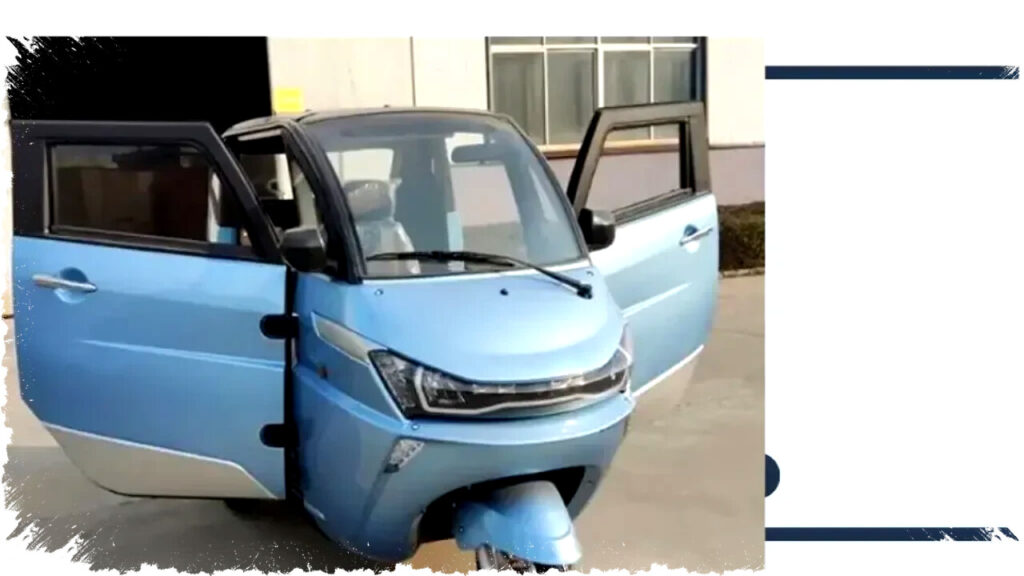
Three-wheeled electric motorcycles are gaining traction in Indonesia as efficient and eco-friendly transport solutions. These vehicles stand out by offering the ability to carry loads up to 250 kilograms while maintaining comfort and stability, especially during the rainy season.
Weather conditions often pose challenges to traditional motorcycles, particularly when roads become slippery. However, electric trikes are designed with a low center of gravity and wider wheelbase, significantly improving stability on wet surfaces. This feature ensures safer rides and reduces the risk of accidents caused by poor traction.
Many models now come equipped with high-capacity batteries, providing extended travel ranges without frequent recharging. For instance, the Zeus E-Trike can cover up to 100 kilometers on a single full charge while reaching top speeds of 60 km/h. This makes it a practical option for daily commuting and delivery services, even in inclement weather.
Advantages of Three-Wheeled Electric Motorcycles During the Rainy Season
- Enhanced Stability: The three-wheel design distributes weight evenly, preventing tipping and skidding on slippery roads.
- Weather Protection Options: Some models offer enclosed cabins, shielding the rider from rain and wind.
- Load Capacity: Capable of hauling up to 250 kg, these motorcycles serve both personal and commercial needs without compromising safety.
- Energy Efficiency: Electric powertrains reduce operational costs compared to fuel-based vehicles, even when additional power is needed for climbing wet slopes.
- Low Maintenance: Electric motors have fewer moving parts, decreasing maintenance frequency and expenses, which is advantageous in humid conditions.
The Viar RE3 is another notable example praised for its popularity and ease of maintenance. Its reputation as a reliable vehicle makes it suitable for users seeking durability and simple upkeep during all weather conditions.
Tips for Optimizing Comfort and Safety When Using Electric Trikes in Rain
- Regularly Check Tire Tread and Pressure: Proper tire condition is vital for gripping wet roads.
- Utilize Cabin Covers or Rain Gear: Using physical protection helps maintain rider comfort and focus.
- Plan Routes to Avoid Flood-Prone Areas: Selecting safer paths reduces the risk of water damage and accidents.
- Schedule Battery Charging Appropriately: Cold and wet environments can affect battery performance; timed charging helps optimize energy output.
- Incorporate Anti-Slip Accessories: Adding features like anti-slip footrests or grips enhances rider control.
These electric tricycles cater to diverse users, including small business owners and families, thanks to variants with open cargo beds or enclosed cabins. Their competitive pricing, roughly equivalent to $3,200 USD for models like the Zeus E-Trike, offers accessible alternatives to conventional transportation.
The rise of three-wheeled electric motorcycles corresponds with a growing emphasis on sustainable urban mobility. Their capacity to transport substantial loads while ensuring rider safety and comfort under rainy conditions responds well to everyday challenges faced in tropical climates.
In summary, three-wheeled electric motorcycles provide a dependable and economical solution for carrying heavy loads up to 250 kg without sacrificing comfort during the rainy season. With enhanced stability, extended battery life, and adaptable configurations, they stand out as smart choices for modern transport needs.