


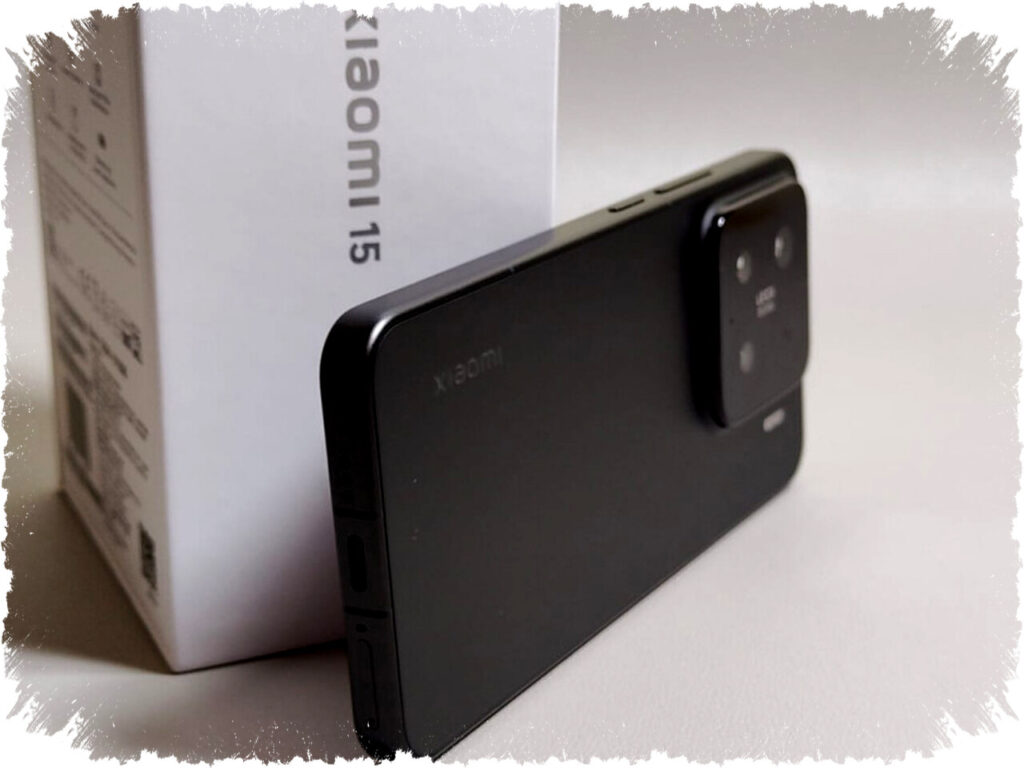
Xiaomi and Poco smartphones continue to impress users by supporting the latest Android operating system updates. Android 17 is officially set to launch by Google between June and July, and Xiaomi is preparing HyperOS 4, which will be based on Android 17. This development signals that many Xiaomi, Redmi, and Poco devices are expected to receive this major update.
HyperOS 4 is designed with Xiaomi’s internal architecture while maintaining core Android services. Although the rollout schedule is not yet finalized, Xiaomi typically updates its flagship models first before extending support to mid-range and entry-level devices. This strategy suggests that owners of certain Xiaomi and Poco models can anticipate Android 17 updates within the next year.
Expected Android 17 Update Timeline
Google’s Android 17 stable release will mark a milestone in mobile operating systems. Xiaomi plans to integrate this new Android version into its HyperOS, starting with a beta release shortly after Google’s final launch. Flagship Xiaomi phones will likely be the first to receive HyperOS 4 updates, followed by successive waves covering mid-range and budget categories. Full distribution may extend through the end of the year or into early next year, varying by region and regulatory certification processes.
List of Xiaomi Smartphones Predicted to Receive Android 17
Based on Xiaomi’s update history, the following Xiaomi series are forecasted to be compatible with Android 17 and HyperOS 4:
- Xiaomi 17 Ultra / 17 Ultra Leica Edition
- Xiaomi 17 Pro Max
- Xiaomi 17 Pro
- Xiaomi 17
- Xiaomi 15 Ultra
- Xiaomi 15 Pro
- Xiaomi 15
- Xiaomi 15T Pro
- Xiaomi 15S Pro
- Xiaomi 14 Ultra
- Xiaomi 14 Pro
- Xiaomi 14
- Xiaomi 14T Pro
- Xiaomi 14T
- Xiaomi 13 Ultra
- Xiaomi 13 Pro
- Xiaomi 13
- Xiaomi 13T Pro
- Xiaomi 13T
- Xiaomi Civi 4 Pro
- Xiaomi 14 Civi
- Xiaomi Civi 5 Pro
- Xiaomi Mix Flip 2
- Xiaomi Mix Flip
- Xiaomi Mix Fold 4
- Xiaomi Mix Fold 3
These devices represent a broad range of Xiaomi’s flagship and premium models, signifying strong continued support for recent hardware.
Redmi Devices Eligible for Android 17
Redmi smartphones also feature prominently in the list of devices predicted to receive Android 17 support. These include:
- Redmi K90 Pro Max
- Redmi K90
- Redmi K80 Ultra
- Redmi K80 Pro
- Redmi K80
- Redmi K70 Ultra
- Redmi K70
- Redmi K70e
- Redmi K60 Ultra
- Redmi Turbo 5 Max
- Redmi Turbo 5
- Redmi Turbo 4 Pro
- Redmi Turbo 4
- Redmi Turbo 3
- Redmi Note 15 Pro+
- Redmi Note 15 Pro 5G
- Redmi Note 15 Pro 4G
- Redmi Note 15 5G
- Redmi Note 15 4G
- Redmi Note 14 Pro+
- Redmi Note 14 Pro 5G
- Redmi Note 14 Pro 4G
- Redmi Note 14R 5G
- Redmi Note 14S
- Redmi Note 14 5G
- Redmi Note 14 4G
- Redmi 15 5G
- Redmi 15 4G
- Redmi 15C 5G
- Redmi 15C 4G
- Redmi A5 4G
This comprehensive list indicates Redmi is committed to software updates across its high- and mid-tier devices, enhancing longevity for users.
Poco Smartphones Anticipated to Get Android 17
Poco, as a Xiaomi sub-brand known for affordable yet powerful smartphones, is also included in the Android 17 roadmap. Expected Poco models include:
- Poco F8 Ultra
- Poco F8 Pro
- Poco F7 Ultra
- Poco F7 Pro
- Poco F6 Pro
- Poco F6
- Poco X6 Pro
- Poco X7 Pro
- Poco X7
- Poco M8 Pro 5G
- Poco M8 5G
- Poco M7 Plus
- Poco M7 5G
- Poco M7 4G
- Poco C85 5G
- Poco C85 4G
- Poco C71
This coverage underscores Poco’s growing portfolio of update-ready devices, targeting consumers who seek cost-effective phones with up-to-date software.
Importance of Software Updates for Xiaomi and Poco Users
Receiving Android 17 and HyperOS 4 means users benefit from enhanced security, new features, and improved performance. Updates also increase app compatibility and overall device lifespan. Xiaomi’s policy to support multiple device generations demonstrates the company’s focus on customer retention and ecosystem expansion.
Despite the detailed projections, official confirmation awaits Xiaomi’s formal announcements linked to HyperOS 4 global rollout. Users should monitor Xiaomi’s communications for precise timelines and procedures for manual updates or over-the-air delivery.
This continued update commitment promotes Xiaomi and Poco devices as competitive options in both flagship and budget smartphone markets. Keeping current with the latest Android version helps maintain relevance in device functionality and user experience.
Owners planning to retain their devices longer can expect these updates to improve system stability and feature sets. Meanwhile, the evolving HyperOS indicates Xiaomi’s drive to innovate while preserving core Android usability.
Android enthusiasts and Xiaomi users alike are advised to verify model compatibility as new HyperOS 4 builds become available. This preparation ensures smooth transitions when Android 17 updates are released.
This extensive list offers clarity for buyers assessing potential device longevity through software updates. It also reinforces Xiaomi and Poco’s role as key players in delivering up-to-date Android experiences on diverse hardware footprints.