When visitors think of souvenirs from Yogyakarta, bakpia and gudeg often come to mind immediately. These iconic treats have long represented the city’s culinary heritage. However, the region offers a far richer variety of unique local products that rarely make it onto the standard tourist shopping lists.
Several traditional foods and crafts scattered across marketplaces, villages, and small workshops offer alternatives that highlight Yogyakarta’s cultural depth. These lesser-known items are usually discovered by chance or through local recommendations, providing an authentic souvenir experience distinct from the usual fare.
1. Abon Gulung
Abon gulung is a soft rolled bread filled with shredded, seasoned meat. Its flavor blends savory and slightly sweet notes, making it a delightful snack. This product can be stored for about five days at room temperature, while refrigeration extends its shelf life. Established brands like Abon Gulung Ibu Ruswo have popularized this item since 2017, offering variations including beef, spicy beef, chicken, and tuna fillings.
2. Pathilo – Cassava Crisp Snack
Pathilo, a specialty from Gunungkidul, is a crunchy snack resembling rengginang but made from cassava starch rather than rice. It offers a savory taste with a mild salty edge and a characteristic cassava aroma. Its production centers are concentrated around Tanjungsari and Desa Wisata Sidoharjo, where the snack is commonly enjoyed accompanying tea or coffee.
3. Wedang Uwuh in Packaged Form
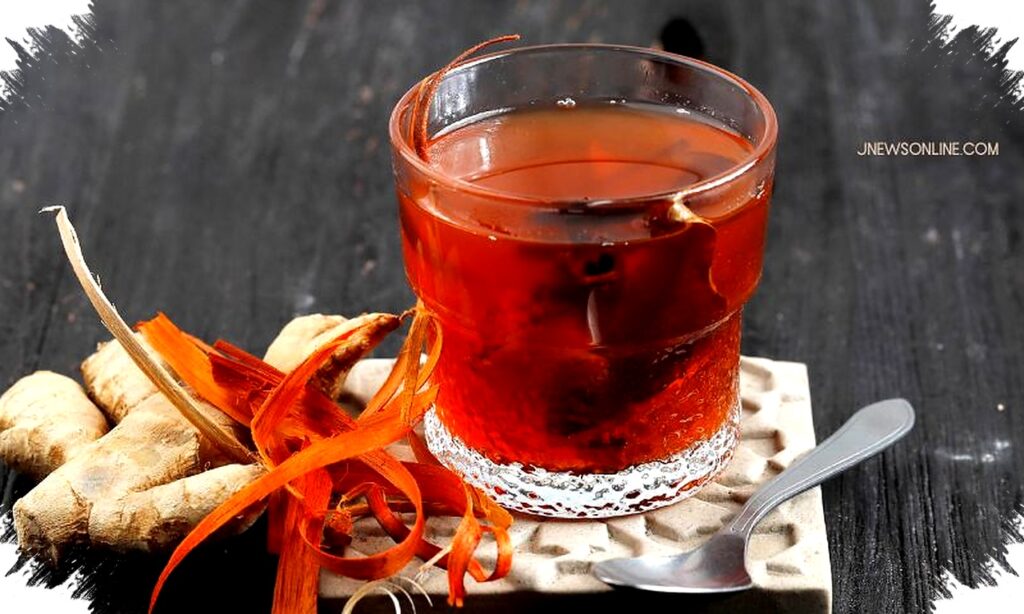
Wedang uwuh is a traditional herbal drink originating from Imogiri, composed of spices like secang wood, ginger, cloves, lemongrass, nutmeg leaves, and cinnamon. The infusion results in a natural red color and a warm, aromatic sensation. Recently, dried, ready-to-brew packaged versions have become popular souvenirs suitable for gifting to family members, offering convenience and preserving the drink’s deep herbal fragrance.
4. Manggleng – Traditional Cassava Snack
Manggleng is a steamed and processed cassava snack widely appreciated in Gunungkidul and surrounding regions. Its texture differs from typical cassava chips, available in original savory and spicy balado variants. Some areas refer to Manggleng as balung kuwuk or balung kethek. It is sold both raw and ready-to-eat in local souvenir shops around Yogyakarta.
5. Geplak Bantul – Coconut Sweet Candy
Geplak is a traditional confection made from grated coconut and sugar, known for its vibrant colors such as pink, yellow, and green. It offers a sweet taste accompanied by a distinctive coconut aroma. Originating from Bantul, this treat usually comes in plastic or cardboard boxes, maintaining recipes passed down through generations.
6. Yangko – Kotagede Sweet Mochi-like Cake
Yangko is a chewy, sweet cake hailing from Kotagede, often compared with mochi. Its cubic shape, dusted with flour, and innards filled with sweetened nuts create a soft and elastic texture when chewed. Historically linked to trading activities in Kotagede, Yangko remains a favored gift item in boxed packaging.
7. Fried Grasshoppers from Gunungkidul
Fried grasshoppers are a crunchy and savory snack famous in Gunungkidul. Locals liken their flavor to fried shrimp. Vendors along roads between Yogyakarta and Wonosari or near Gunungkidul’s coastal areas commonly sell them prepackaged in small plastic bags or jars, catering to adventurous food enthusiasts.
8. Peyek Tumpuk – Thick Layered Peanut Crackers
Peyek tumpuk distinguishes itself by having a thick, often ball-shaped peanut layer. Produced mainly by small home industries around Bantul, with Mbok Tumpuk recognized as a pioneer, these crackers offer a crispy, savory bite. They often come in large plastic packaging and serve as excellent complements to meals or standalone snacks.
9. Jadah Tempe – A Sweet and Savory Rice-Tempeh Dish
Jadah tempe, from the Kaliurang region, combines dense sticky rice cakes with tempeh cooked in sweet spiced syrup. This dish balances sweet and savory flavors uniquely. Sold mainly near Merapi’s tourist spots like kiosks operated by Mbah Carik, its shelf life is limited to one to three days without refrigeration. Visitors are advised to purchase it close to departure.
10. Kopi Merapi – Coffee from the Merapi Volcano Region
Kopi Merapi is prized for its distinct volcanic soil origin, which imparts a unique mineral-rich flavor profile. Cultivated around Merapi’s fertile slopes, the coffee is available in Arabica, Robusta, and custom house blends combining both species. Tourists can enjoy fresh brews or purchase roasted beans and grounds at Warung Kopi Merapi in Dusun Petung, Kepuharjo, Cangkringan.
11. Salak Pondoh – Sweet Snake Fruit from Sleman
Salak Pondoh is a native fruit of Sleman characterized by its sweet taste, even when slightly unripe. The fruit’s crispy texture and strong aroma make it distinctive. Typically sold in baskets or boxes, it is mainly sourced from Desa Turi in Sleman.
12. Manding Leathercraft – Handcrafted Leather Goods
Manding village in Bantul is renowned for artisanal leatherworks including bags, wallets, belts, and jackets. Using cow or goat leather, the crafts combine traditional manual techniques with modern designs. Buyers can visit workshops directly along the village roads to select quality pieces at varying prices.
13. Kotagede Silverwork – Elegant Silver Jewelry and Art Pieces
Kotagede has a longstanding heritage as a center for silver craftsmanship. Artisans produce rings, bracelets, necklaces, and miniature ornaments that showcase intricate patterns ranging from classic to contemporary styles. Many shops offer custom orders. These silver items are durable, valuable, and culturally significant souvenirs frequently exported abroad.
Beyond the familiar bakpia and gudeg, Yogyakarta’s souvenir landscape is rich with authentic and traditional options cherished by local communities. Exploring marketplaces, villages like Bantul, Sleman, and Gunungkidul, and artisan hubs reveals these hidden gems. They provide meaningful mementos that reflect the city’s cultural identity while supporting local craftsmen and producers. Travelers seeking distinctive gifts will find these recommendations an enriching guide to genuine Jogja delights rarely highlighted in mainstream tourism.