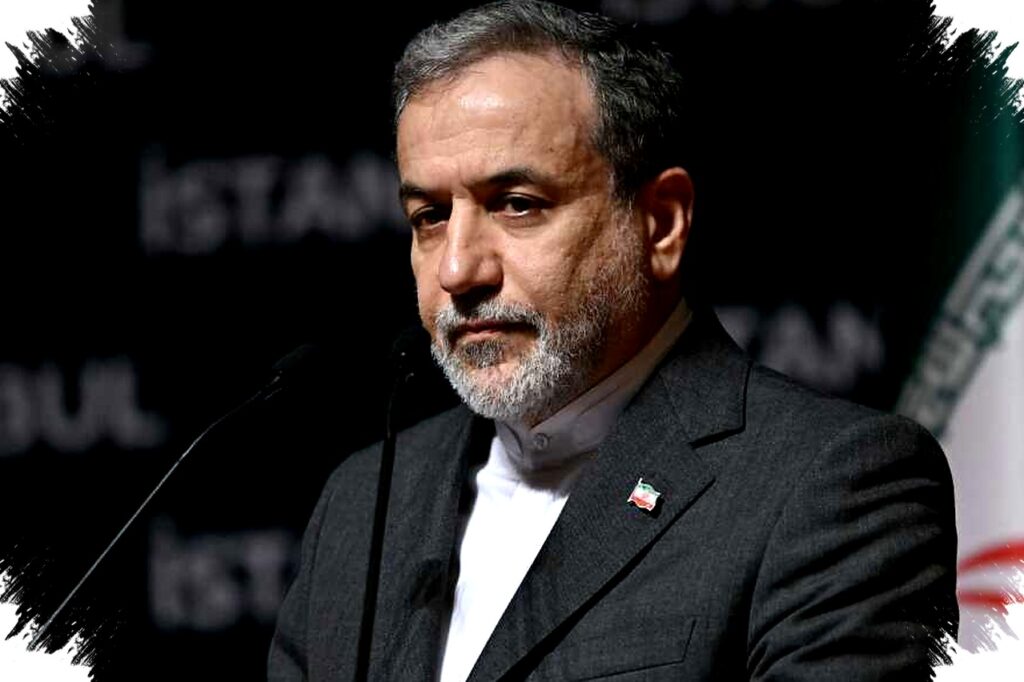
Iran’s Deputy Foreign Minister Abbas Araghchi has strongly condemned the United Kingdom for allowing the United States to use British military bases in operations targeting Iran. He criticized UK Prime Minister Keir Starmer for risking the lives of British citizens by enabling such military actions against Iran.
Araghchi emphasized that most British people oppose being drawn into what he described as an Israel-U.S. war on Iran. He warned that Starmer’s decision disregards public sentiment and endangers UK citizens by facilitating aggression towards Iran.
UK Approves US Use of Military Bases for Actions Against Iran
Recently, the UK government formally approved the use of its military bases by the United States to launch attacks on Iranian missile sites. This move marks a significant escalation in regional tensions and highlights the growing involvement of Western powers in direct military pressure against Iran.
This approval followed earlier attacks conducted by US and Israeli forces against several strategic targets inside Iran, including locations in Tehran. These strikes reportedly caused damage and resulted in civilian casualties, including killing a senior Iranian figure associated with the Supreme Leader.
Iran’s Retaliatory Measures and Declaration of Self-Defense
In response to the attacks on its territory, Iran launched retaliatory strikes against Israeli positions and U.S. military facilities in the Middle East. Araghchi reiterated Iran’s right to defend itself against any aggression, signaling a continuation of the ongoing conflict.
The cycle of attack and counterattack has generated international concern over the possibility of a wider regional conflict. Iran has made it clear that further aggression will be met with proportionate responses, heightening uncertainty and instability in an already volatile region.
Implications for UK Domestic and Foreign Policy
Araghchi’s public condemnation highlights the potential domestic political fallout for the UK administration. Public opinion in Britain largely opposes involvement in foreign conflicts that are viewed as driven by external geopolitical interests, particularly those related to Israel and the United States.
Allowing US forces to stage attacks from UK bases is seen by critics as dragging Britain into a conflict that does not serve its direct national interests. This could prompt calls from opposition parties and civil society groups to reconsider or challenge the government’s decision.
Regional Security and the International Response
The situation also raises questions for the broader international community, as Iran’s response and the UK’s role affect diplomatic efforts aimed at stabilizing the Middle East. Many countries and international organizations continue to urge restraint and dialogue to prevent further escalation.
The US and UK alliance’s increased military coordination in the region is viewed with suspicion by countries advocating for peaceful resolution and de-escalation measures. Iran stresses that defensive actions are justified and warns that continued attacks will only exacerbate tensions.
Summary of Key Developments:
- UK approved US use of British bases for strikes on Iranian missile sites.
- US and Israeli forces conducted attacks causing damage and civilian casualties in Iran.
- Iran retaliated by striking Israeli and US military targets in the Middle East.
- Iran’s Deputy Foreign Minister Abbas Araghchi condemned UK involvement and warned of dangers to British citizens.
- Public opposition exists in the UK against engagement in conflicts perceived as driven by US-Israel agendas.
International observers remain watchful as these developments unfold, emphasizing the critical need to avoid further destabilization. The evolving situation underscores the fragility of regional peace and the complex diplomatic challenges faced by all parties involved.