


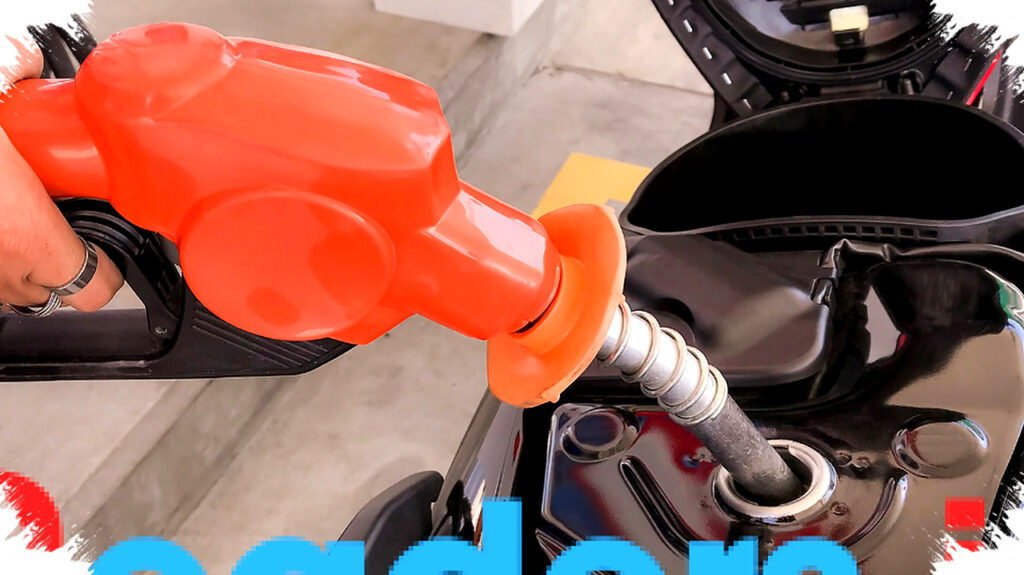
Using fuel that does not match the motorcycle manufacturer’s recommendation can significantly reduce the vehicle’s performance. Many riders often fill up with varying octane ratings depending on availability at gas stations, which disrupts the engine’s ability to operate optimally.
Energy conversion expert Tri Yuswidjajanto Zaenuri from the Bandung Institute of Technology emphasized the importance of following manufacturer fuel guidelines. He explained that adhering to recommended fuel types ensures the engine performs at its best. Conversely, using fuel outside these specifications causes suboptimal operation and impacts exhaust emissions negatively.
Impact on Engine Performance and Emissions
Engines are calibrated by manufacturers to run on specific fuel characteristics, including octane rating. Fuel outside the recommended parameters causes combustion inefficiencies, leading to reduced power output and responsiveness. Tri pointed out that engines running on inappropriate fuel simultaneously produce emissions that deviate from regulatory and environmental standards set during vehicle development.
Motorcycles tend to experience more pronounced effects from fuel mismatches compared to cars. This difference arises because most motorcycles use fixed engine setups that cannot automatically adjust to different fuel qualities. In contrast, modern cars often feature advanced engine management systems that optimize combustion in real-time according to the fuel type.
Why Motorcycles Are More Sensitive to Fuel Type
Due to fixed engine tuning, motorcycles lack the flexibility to compensate for fuel variations. As a result, drivers will notice performance degradation if the octane rating is too low or unnecessarily high. For instance, using high-octane fuel such as RON 98 on a motorcycle designed for lower octane can lead to sluggish acceleration. The engine’s fixed timing and fuel maps do not match the fuel’s combustion traits, causing inefficiencies.
On the other hand, vehicles with adaptive engine control units adjust ignition timing and fuel delivery to maximize efficiency and power output regardless of slight octane fluctuations. This explains why fuel discrepancies affect motorcycle performance visibly more than cars.
Practical Recommendations for Motorcycle Owners
To maintain performance and reduce emissions, riders should always use fuels specified in the owner’s manual. Following steps are advised:
- Identify the recommended octane rating on the vehicle documentation.
- Choose fuel at the gas station matching the indicated octane number.
- Avoid switching fuels frequently or using higher-octane fuel than necessary.
- Monitor engine response and fuel consumption to catch potential issues early.
In addition to optimizing engine output, proper fuel choice preserves fuel economy and complies with emission regulations. Operators can prevent premature engine wear or potential damage caused by incorrect fuel use.
Broader Implications for Environmental and Engine Health
Using non-recommended fuel not only affects individual motorcycles but contributes to increased environmental pollution. Inefficient combustion releases higher hydrocarbons, carbon monoxide, and nitrogen oxides. These emissions contradict manufacturers’ design intentions and may exceed legal limits, impacting air quality.
Moreover, persistent use of improper fuel can cause long-term damage such as carbon buildup inside the engine, reducing longevity and increasing maintenance costs. Hence, fuel conformity is vital both for performance and sustainability.
Fuel is a critical factor in vehicle operation that requires precise alignment with manufacturer prescriptions. Following these guidelines ensures motorcycles perform reliably and meet environmental standards. This approach benefits riders economically and supports broader public health goals through controlled emissions management.