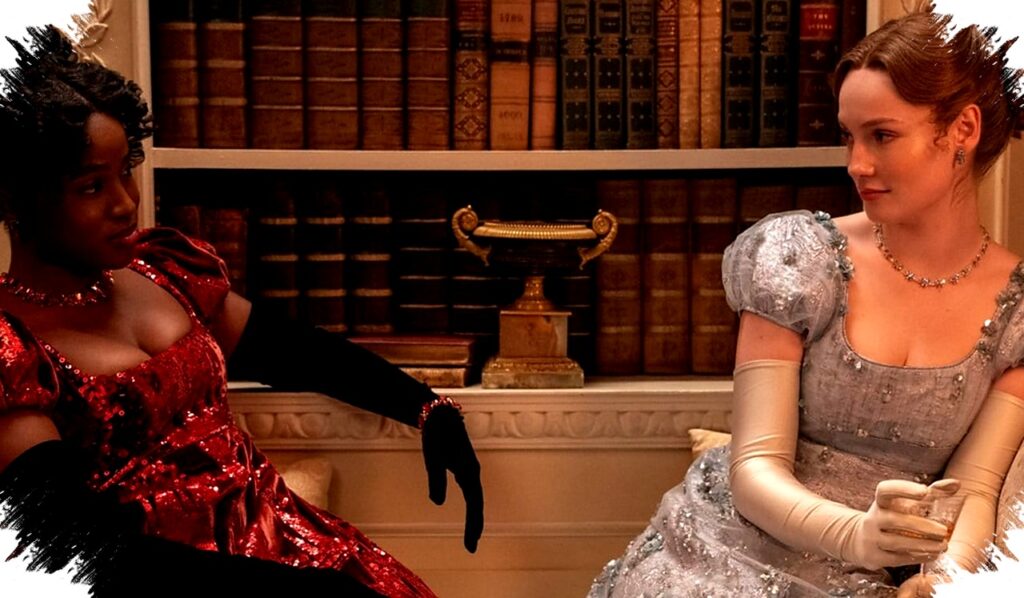
Netflix’s latest direction for Bridgerton Season 5 has triggered a sharp response from fans, and the backlash is centered on one major issue: the series appears set to focus on Francesca Bridgerton instead of Eloise Bridgerton. That choice has frustrated viewers who expected the show to follow Julia Quinn’s novel order more closely and give Eloise her long-awaited spotlight.
The disappointment is not only about timing. Many fans say the shift raises bigger concerns about pacing, character development, and whether the adaptation is moving too far away from the source material that made the franchise so popular in the first place.
Why the Francesca focus upset many viewers
The strongest criticism comes from readers who know the book series well. In Julia Quinn’s original novels, the fifth book centers on Eloise’s love story, which made many viewers assume the show would preserve that progression.
Instead, Netflix’s reported plan to place Francesca at the center of Season 5 has been read as a major departure from the expected order. For a large part of the audience, that feels less like a creative adjustment and more like Eloise is being pushed aside after years of build-up.
This matters because Eloise has been one of the most discussed characters since the beginning of the series. She has already spent several seasons growing from a sharp-tongued outsider into one of the family’s most distinctive figures.
Fans say Eloise has waited too long
One reason the reaction has been so intense is simple frustration. Eloise, played by Claudia Jessie, has been part of the story since the first season, and many viewers believe her romantic arc has already been delayed long enough.
That feeling has become even stronger because Francesca’s storyline has only just reached a major turning point in the show. At the end of the fourth season, Francesca loses her husband, John Stirling, which means her character is still in a period of grief.
For some viewers, shifting quickly into a new romance at that stage feels emotionally rushed. They argue that Francesca needs time to process loss before the story can credibly move on to another relationship.
A pacing problem that worries book fans
The debate is not only about which sibling gets the spotlight. It is also about how the story is being structured and whether the show is sacrificing emotional depth for speed.
A two-year time jump has reportedly been used to move Francesca’s story forward faster. That decision has made some fans worry that the series is skipping over the quieter emotional turns that made the novels resonate with readers.
The concern is easy to understand. When a character is written through grief, romance, and identity changes too quickly, the emotional payoff can feel thinner. In a long-running drama, that can weaken trust between the audience and the writers.
The Michaela Stirling change remains the biggest flashpoint
If the Francesca decision upset viewers, the gender-swap change involving Michael Stirling has made the reaction even more heated. In the books, Michael is an essential part of Francesca’s story, and the character’s dynamic with Francesca is tied closely to themes of inheritance, infertility, and emotional conflict.
Netflix has changed Michael into Michaela Stirling, a move that introduces a same-sex romantic direction for the storyline. For some viewers, that is a welcome step toward wider representation on screen.
But for many book fans, the change alters the emotional structure of the source material too much. They say the conflict that defined When He Was Wicked does not translate in the same way after the switch, and they worry that the adaptation is replacing one of the series’ most recognizable story arcs with something untested.
What fans are saying online
The backlash has spread quickly across social media and international fan forums. Many of the comments focus on a common theme: the show seems to be ignoring the emotional rhythm that the books established over time.
Some viewers have pointed out that Eloise’s story has already been teased for several seasons, making the delay feel especially unfair. Others say Francesca’s arc should not be rushed just to create a faster bridge to a new romance.
A third group is more concerned with adaptation quality overall. They fear that once a show starts bending character arcs too aggressively, it can lose the balance that made earlier seasons successful.
Key points driving the controversy
- Eloise was expected by many readers to lead the fifth season because the fifth novel focuses on her story.
- Francesca’s role appears to have been moved ahead, which fans see as a major break from the book order.
- Francesca is still dealing with the death of John Stirling, making a quick romantic transition feel emotionally compressed.
- The two-year time jump has raised concerns that the narrative is being accelerated for convenience.
- The Michael-to-Michaela change has become the most debated adaptation choice, especially among loyal readers.
Why this matters for Bridgerton’s long-term appeal
Bridgerton has always balanced two audiences: viewers who only know the show and readers who care deeply about Julia Quinn’s novels. When those two groups want different things, adaptation decisions become politically charged inside the fandom.
That tension is especially visible now because Eloise and Francesca represent two very different expectations. Eloise’s supporters want patience and consistency with the books, while Francesca’s arc is being shaped into something newer and more openly reworked.
Netflix has built the series partly on the promise of romance, family drama, and a strong emotional structure for each sibling. If fans begin to feel that the show is changing the order of stories without enough narrative care, the backlash could affect how future seasons are received.
At the same time, the streaming platform is clearly trying to keep the series fresh and inclusive. That approach may attract new viewers, but the challenge is to do it without alienating the audience that helped make Bridgerton a breakout hit.
Eloise’s storyline now faces a larger risk
There is also a quieter fear underneath the public outrage. If Eloise’s turn keeps getting delayed, her character could risk becoming trapped in a loop of rebellion without resolution.
That would be a problem for the show because Eloise has always stood out through her energy and resistance to social convention. If she stays in that same place too long, viewers may start to feel that the character is being preserved rather than developed.
For now, the frustration around Season 5 reflects a broader question about what Bridgerton wants to be next. Fans are watching closely not only because they want Eloise’s story, but because they want to know whether the series can still honor its emotional roots while making room for bold new choices.