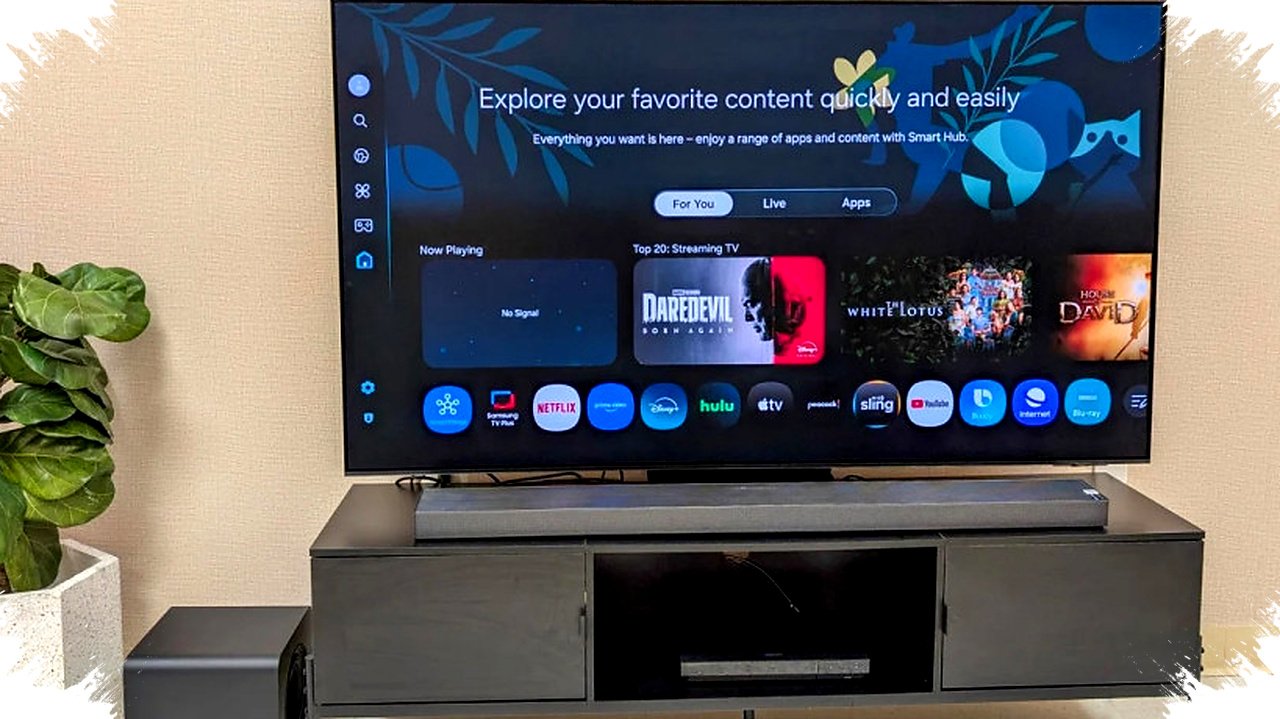
Smart TV buying in the affordable segment has become more practical and more competitive, especially for households that want modern streaming features without paying premium prices. In the current market, the best options are no longer judged by screen size alone, because panel quality, operating system, HDR support, audio performance, and wireless connectivity now shape the overall viewing experience.
For buyers looking for a smart TV line-up that starts at about $105, the strongest models in the market cover everything from basic 32-inch sets to large 70-inch screens with 4K resolution and advanced image processing. The following options stand out because they balance price, features, and everyday usefulness for streaming, live TV, gaming, and family entertainment.
Affordable smart TVs for basic daily use
At the entry level, the Polytron HD 32-inch PLD 32CV1869S is one of the most accessible choices for users who need a simple smart TV for routine viewing. It uses an HD 1366 x 768 panel, which is still acceptable at 32 inches for close to medium viewing distances.
The TV runs on Smart TV Lite and supports popular streaming apps such as YouTube, Prime Video, and Vidio. It also includes Miracast, so users can mirror content from a smartphone without adding extra hardware.
Its biggest advantage is price, since it sits around $105. That makes it suitable for bedrooms, boarding rooms, or secondary spaces where basic streaming and digital TV are the main priorities.
Entry-level 4K options with better detail
For those who want sharper visuals without moving too far up in price, the Akari 43-inch SW-5743S offers 4K UHD resolution at a relatively low cost. The higher pixel count brings more detail than Full HD, especially when paired with high-resolution streaming content.
The model also includes a DVB-T2 tuner, which allows access to digital broadcasts without an external receiver. Its connectivity is practical for a modern living room, with dual-band Wi-Fi, Bluetooth 5.1, HDMI, and USB support.
At about $202, this TV lands in a strong value segment for buyers who want a 4K set but still need to keep spending controlled. It is a sensible choice for homes that want sharper images and broad compatibility with streaming and external devices.
Balanced 4K smart TVs for family rooms
Samsung’s UA43U8000F is positioned as a more balanced mid-range option, with Crystal UHD technology and a 43-inch 4K panel. Its Crystal Processor 4K is designed to improve lower-resolution content through upscaling, which matters because many broadcasts and online videos still do not use native 4K.
HDR support also helps reveal more detail in bright and dark areas of the picture. The result is a more polished viewing experience for mixed use, from TV shows to sports and movies.
The set uses Tizen OS, which is known for a stable interface and access to streaming applications. With a price of around $217, it suits small to medium living rooms that need one main TV for the household.
Cinematic features for movie and console users
Toshiba’s 43C350RP stands out because it brings Dolby Vision and Dolby Atmos into a more affordable TV category. Dolby Vision can improve contrast and color handling in supported content, while Dolby Atmos adds a more spacious audio experience when paired with compatible sources or speakers.
The REGZA Engine is used to refine detail and reduce visual noise, which helps keep the image cleaner in a range of scenes. Dynamic HDR support also improves consistency across different types of content.
For gamers, the inclusion of VRR and ALLM is an important signal that the TV is more versatile than a basic streaming screen. Those features help reduce lag and screen tearing, making the set relevant for modern consoles as well.
Larger screens for shared viewing
LG’s 50UT8050PSB is a stronger option for families who want a bigger 50-inch display. It uses an AI Processor 4K Gen 7, which helps with image enhancement and upscaling, especially when lower-quality video needs to be displayed on a larger screen.
The TV also supports HDR10 Pro and HLG, both of which improve contrast and highlight detail when content is compatible. Its webOS platform gives users a streamlined interface with broad app support and easy navigation.
This model works well in a living room where multiple people watch different types of content during the day. It is designed for convenience, and the larger panel gives it a more cinematic feel without entering premium pricing territory.
QLED models for richer color performance
Samsung’s QA50Q7FA is one of the more attractive options for users who care about color accuracy and brightness. Its QLED panel uses Quantum Dot technology, which is designed to deliver richer and more precise color reproduction than standard LED sets.
The TV also supports Quantum HDR+, a feature that helps manage contrast and brightness in HDR content. Audio is another strength here, with Object Tracking Sound Lite and Q-Symphony contributing to a fuller soundstage when the TV is paired with compatible Samsung sound systems.
At around $377, it is clearly above the entry-level range, but it offers a stronger visual and audio profile for users who want a more premium feel without jumping into flagship pricing.
Large-screen TVs for a more immersive setup
For buyers who want a bigger home viewing experience, Samsung UA70DU7000 and LG 65UA7550PSA offer large 4K displays that are more suited to movies, sports, and shared family use. At these screen sizes, upscaling and HDR become especially important because image softness is easier to notice on a larger panel.
Both models come with modern operating systems and broad app support, so they can serve as the main entertainment hub in a household. Their larger format also makes them more suitable for wider rooms where viewers sit farther from the screen.
A useful way to compare the main options is shown below:
| Model | Screen size | Key strength | Approx. price |
|---|---|---|---|
| Polytron PLD 32CV1869S | 32-inch | Cheapest entry for daily streaming | $105 |
| Akari SW-5743S | 43-inch | Affordable 4K with DVB-T2 | $202 |
| Samsung UA43U8000F | 43-inch | Balanced 4K and stable OS | $217 |
| Toshiba 43C350RP | 43-inch | Dolby Vision and Dolby Atmos | — |
| LG 50UT8050PSB | 50-inch | Bigger family screen with AI upscaling | — |
| Samsung QA50Q7FA | 50-inch | QLED color and stronger audio features | $377 |
| Samsung UA70DU7000 | 70-inch | Large-screen immersion | — |
| LG 65UA7550PSA | 65-inch | Large-screen 4K home entertainment | — |
What matters most when choosing a smart TV
The right choice depends on how the TV will actually be used. A compact model with basic smart features is enough for bedrooms or secondary rooms, while a 4K set with better processing makes more sense for the living room.
ASmart TV buyer should also pay attention to the software platform, because app availability and navigation can affect long-term satisfaction as much as picture quality. HDR formats, audio features, and wireless support are now part of the decision as well, especially for households that stream, game, and mirror content from mobile devices.
-

-

-

-