


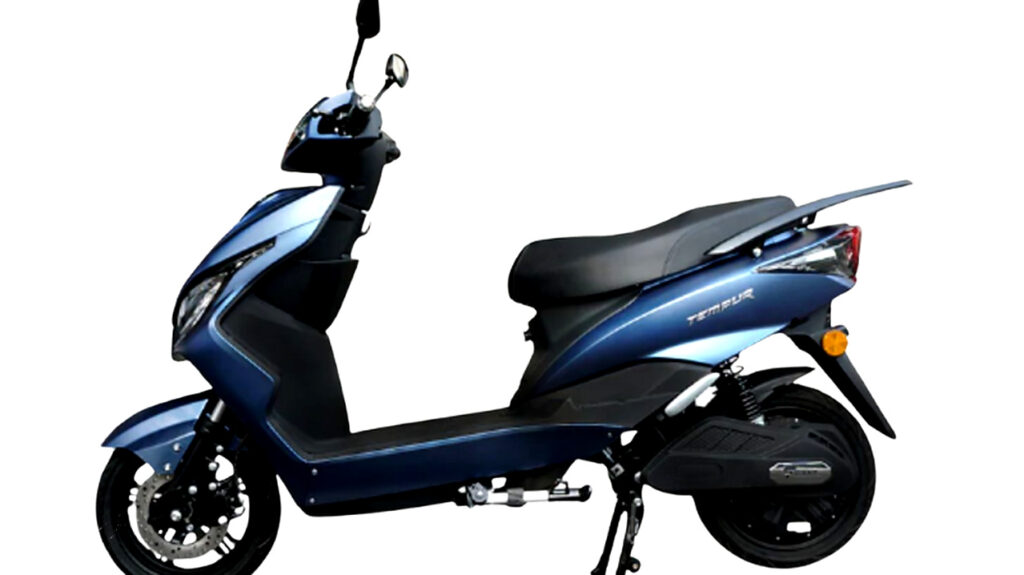
Electric motorcycles are no longer a niche choice in Indonesia. More buyers now look at them as a practical daily vehicle because they can cut fuel costs, reduce maintenance needs, and support cleaner urban mobility.
For shoppers with a tight budget, the segment below $1,000 has become especially interesting after subsidies and market competition pushed several models into a more accessible range. Based on the reference article and current market positioning, here are six cheap electric motorcycles that stand out for daily use, with specs that still feel competitive for commuting.
Why budget electric motorcycles are gaining attention
Daily riders usually want three things: reasonable range, usable speed, and a price that does not strain the budget. Electric motorcycles under this bracket often deliver enough performance for city travel, short intercity trips, and routine office commutes.
Many models in this segment also come with battery systems, simple digital panels, and practical dimensions that suit congested roads. In Indonesia, the appeal grows even stronger when subsidy programs can cut the purchase price by a large margin.
1. Greentech Unity
Greentech Unity sits in the entry-level category with a normal price around $760 to $930. After subsidies, the price can drop to about $320 to $450, making it one of the most accessible options in the segment.
The motorcycle uses a 60V 32Ah SLA battery, reaches a top speed of 60 km/h, and can cover up to 90 to 100 km on a full charge. That range makes it suitable for daily city mobility, especially for users who need a simple commuter bike for work, market runs, or school drop-offs.
2. Exotic Vito
Exotic Vito is priced at roughly $790 in its regular version and can go down to around $360 after subsidy support. This model targets buyers who want a modest but modern-looking electric motorcycle without leaving the affordable bracket.
It comes with a 72V 20.5Ah battery and a 1,000W motor, with a claimed top speed of 75 km/h and a range of around 80 km per charge. That combination makes it practical for urban riding, especially for those who want slightly better speed performance than many basic entry-level models.
3. United MX1200 AT
United MX1200 AT is a familiar name in the local electric motorcycle market, with a regular price of about $1,040. After subsidies, the price can fall to roughly $540 to $610, which places it firmly within the under-$1,000 range.
This model is often attractive because it balances everyday usability and brand recognition. While the reference data highlights its subsidized pricing more than its technical details, its position in the market shows it is aimed at riders who want a more established option for regular commuting.
4. Selis E-Max
Selis E-Max is another affordable electric motorcycle that often appears in budget buyer comparisons. The model typically offers a simple urban setup and is aimed at riders who prioritize efficient short-distance travel.
In the broader Indonesian market, Selis products are known for practical ownership costs and accessible sizes, which helps first-time electric motorcycle buyers adapt more easily. For daily mobility, this type of model usually works best for those who ride in stop-and-go traffic and do not need high-speed performance.
5. Rakata S9
Rakata S9 is positioned as a value-friendly electric motorcycle for urban use. The model has gained attention because it combines a compact design with functional specs that fit everyday needs.
For many commuters, the main attraction is not extreme power but predictable performance, low running cost, and easier charging habits. Rakata’s approach in the local market has often focused on practicality, which matters more for users who treat the motorcycle as a daily transportation tool rather than a hobby item.
6. Viar Q1
Viar Q1 remains one of the best-known names in Indonesia’s affordable electric motorcycle category. It is often considered by buyers who want a proven model from a local manufacturer with a long presence in the market.
The bike is designed for city use and short-range commuting, which suits riders who travel within dense urban areas. Its strength lies in its simple ownership model, familiar service ecosystem, and a form factor that is easy to handle in everyday traffic.
Quick comparison of the six models
| Model | Estimated price after subsidy | Top speed | Range per charge | Main appeal |
|---|---|---|---|---|
| Greentech Unity | $320–$450 | 60 km/h | 90–100 km | Lowest entry cost |
| Exotic Vito | around $360 | 75 km/h | around 80 km | Better speed balance |
| United MX1200 AT | $540–$610 | not specified | not specified | Established brand |
| Selis E-Max | varies by dealer | not specified | not specified | Simple city commuter |
| Rakata S9 | varies by dealer | not specified | not specified | Practical urban design |
| Viar Q1 | varies by dealer | not specified | not specified | Familiar local support |
What matters most before buying
Price alone should not decide the purchase. Buyers need to check battery type, charging time, official service availability, and whether the motorbike can truly handle the length of the daily route.
Range claims also deserve attention because real-world use often changes with rider weight, road conditions, stop frequency, and battery health. A model that looks strong on paper may perform differently in dense traffic or on roads with frequent elevation changes.
Subsidy can change the calculus
The reference data shows how subsidies can dramatically reshape affordability. Greentech Unity and Exotic Vito, for example, shift from the equivalent of a mid-budget purchase into a much cheaper option once support is applied.
That matters because a lower entry price can make electric mobility more realistic for workers, students, and small business users. When combined with low charging costs, these motorcycles can reduce monthly transportation spending compared with many gasoline scooters.
Daily use still favors practical specs
For everyday riding, models with 60 to 80 km/h top speed and around 80 to 100 km range often hit the sweet spot. They are fast enough for city roads and efficient enough for routine commuting without requiring frequent charging.
That is why many affordable electric motorcycles now focus on balance rather than extreme performance. Buyers who want a budget-friendly vehicle with low operating costs often find this category more useful than larger, more expensive electric models.
Several cheap electric motorcycles under $1,000 now offer a mix of usable speed, practical range, and lower operating costs that suit daily mobility. For buyers comparing options, Greentech Unity and Exotic Vito stand out for their clear specs and strong price advantage, while United MX1200 AT, Selis E-Max, Rakata S9, and Viar Q1 remain relevant for shoppers who want familiar names and straightforward urban commuting.