


Sensitive skin needs moisture first, because dryness often makes irritation easier to trigger. Skincare choices that focus on hydration and a gentle formula can help reduce tightness, redness, and discomfort without overwhelming the skin.
That is why many dermatology-oriented routines for sensitive skin start with low-irritation cleansers, fragrance-free moisturizers, and calming ingredients such as aloe vera, centella asiatica, oat extract, ceramides, and hyaluronic acid. These ingredients do not work like a quick fix, but they help support the skin barrier, which is the outer layer that protects against pollution, weather changes, and harsh ingredients.
Why Moisturizing Matters for Sensitive Skin
Skin barrier damage often lies behind recurrent stinging, flaking, and redness. When the barrier weakens, water escapes more easily and irritants enter faster, which can make the skin feel reactive even to products that once felt safe.
The American Academy of Dermatology has long recommended gentle cleansing and consistent moisturizing for sensitive or eczema-prone skin, because hydrated skin tends to tolerate daily exposure better. In practical terms, that means a simple routine often works better than a long one filled with active ingredients.
What to Look for in a Moisturizer
A good moisturizer for sensitive skin usually avoids alcohol, strong fragrance, and unnecessary exfoliating agents. It should also feel comfortable enough for daily use, since consistency matters more than rich texture alone.
For many people, the best option is a formula that combines humectants, emulsifiers, and barrier-supporting ingredients. Humectants like hyaluronic acid attract water, while ceramides and lipids help reduce water loss and support the skin’s protective layer.
Recommended Skincare for Moisturizing Sensitive Skin
-
Cetaphil Gentle Skin Cleanser
This cleanser is designed to remove dirt without stripping the skin. It is soap-free, lightweight, and widely used as an introductory cleanser for sensitive skin that dislikes harsh foaming products. -
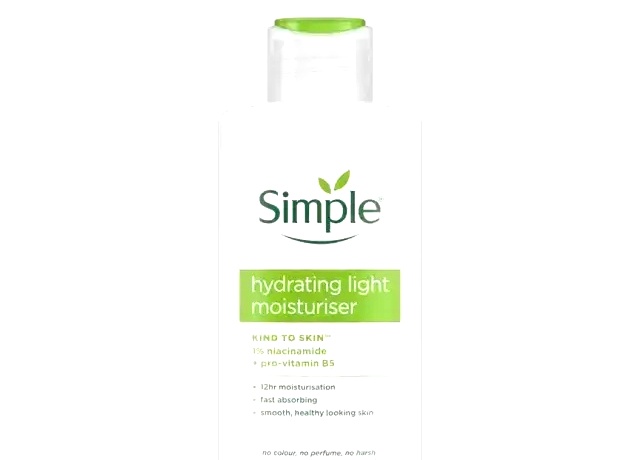
Simple Kind to Skin Hydrating Light Moisturizer
This moisturizer avoids alcohol, perfume, and aggressive additives that can trigger discomfort. It contains vitamin B5 and vitamin E, which help maintain hydration and support a calmer skin feel. -
The Body Shop Aloe Soothing Toner
Aloe vera is widely known for its soothing profile, and this toner uses that benefit in a lightweight formula. It is alcohol-free, which makes it more suitable for skin that tends to flush or sting easily. -
Avoskin Your Skin Bae Toner with Centella Asiatica
Centella asiatica has become a common choice in sensitive-skin products because it is associated with a calming effect and barrier support. This toner offers hydration with a light texture that does not feel heavy on the skin. -
Skintific 5X Ceramide Barrier Moisture Gel
Ceramides are naturally present in healthy skin, so products with ceramide blends often appeal to people with a weak barrier. This gel moisturizer aims to hydrate while helping the skin feel less reactive and more resilient. - Hada Labo Gokujyun Ultimate Moisturizing Lotion
This lotion is known for its hyaluronic acid content and its focus on deep hydration. Its watery texture can work well for sensitive skin that needs moisture without a greasy finish.
Simple Routine for Sensitive Skin
A short routine often gives better results than layering too many products. Sensitive skin usually responds best when each step has a clear purpose and a low chance of irritation.
- Cleanse with a gentle, non-stripping face wash.
- Apply a calming toner only if the skin tolerates it well.
- Use a moisturizer with barrier-supporting ingredients.
- Finish with sunscreen in the morning to reduce additional stress from UV exposure.
This order works because hydration layers are easier to keep in place on skin that has already been cleansed without being over-dried.
Natural Ingredients That Often Help
Many consumers look for skincare with natural ingredients because they want comfort and simplicity. Ingredients such as aloe vera, centella asiatica, and oat extract are often included in sensitive-skin products because they are associated with soothing benefits.
Oat-based ingredients, in particular, are often used in products for dry and reactive skin. The National Eczema Association notes that colloidal oatmeal can help soothe and protect skin, which is one reason it appears in creams, cleansers, and bath products for irritation-prone skin.
Ingredients to Approach Carefully
Sensitive skin does not react the same way to every ingredient, but some categories commonly cause trouble. Strong fragrance, essential oils, drying alcohols, and high-strength acids can trigger burning or redness in people whose barrier is already compromised.
Even products marketed as “natural” can still irritate skin if they contain fragrant plant extracts or essential oils. Patch testing remains useful, especially for people with a history of frequent reactions or contact dermatitis.
How to Test a New Product Safely
A cautious approach can reduce the chance of an unexpected flare-up. Small tests and slow product introduction help identify whether the skin tolerates a formula before it is used across the whole face.
- Apply a small amount behind the ear or on the jawline.
- Wait at least one full day to check for redness, itching, or stinging.
- Introduce only one new product at a time.
- Stop use if the skin becomes hotter, more inflamed, or increasingly dry.
Dermatology advice often favors this step-by-step method because sensitive skin can react after repeated exposure, not only after the first application.
Where Moisturizer Fits in a Better Sensitive-Skin Strategy
Moisturizer alone cannot solve every skin concern, but it often plays the central role in making sensitive skin feel stable. A well-chosen product can reduce tightness after cleansing, improve comfort during the day, and help other products sit better on the skin.
A light gel may suit those who dislike heaviness, while a lotion or cream may work better for very dry skin. The right choice depends on the skin’s condition, climate, and ingredient tolerance, not just on marketing claims.
Sensitive skin usually improves when routines stay simple, ingredients stay gentle, and hydration remains consistent. Products with ceramides, hyaluronic acid, aloe vera, centella asiatica, and vitamin-supporting formulas can help maintain moisture without adding unnecessary irritation, especially when they are paired with careful cleansing and regular sun protection.