Indonesia’s electric car market has changed fast, and the entry point is now far more reachable for urban buyers. With a budget around $12,500–$13,000, shoppers in the country can already find several EVs that were difficult to imagine a few years ago at this price level.
That shift matters because the $200 million-rupiah range is now competing not only with gasoline hatchbacks, but also with compact family cars and entry-level MPVs. For many buyers, the appeal is simple: lower running costs, easier city use, and a growing lineup of models that no longer look like niche experiments.
How the sub-$13,000 EV segment is evolving
The most competitive electric cars in this range usually focus on short urban trips, efficient packaging, and practical dimensions. They are not built to replace every kind of vehicle, but they do fit the daily needs of commuters, small families, and first-time EV users.
Market competition has also pushed brands to offer more features at lower prices. In practice, that means buyers can now find electric hatchbacks, compact crossovers, and small city cars with touchscreen systems, decent safety equipment, and battery ranges that are enough for routine travel.
1. Wuling Air EV
The Wuling Air EV remains one of the most visible choices in the affordable EV class. Its compact size makes it especially suitable for dense city traffic, narrow parking spaces, and short-distance use.
The model has gained attention because it offers a very approachable ownership profile for buyers who want an electric car without moving into a much higher price band. Its simple layout and urban-friendly proportions make it one of the most logical options for daily commuting.
2. Wuling Binguo EV
The Wuling Binguo EV entered the market as a stronger value proposition for buyers who want more style and more space than a tiny city car. It sits in a sweet spot for users who still want an affordable EV but need a more conventional hatchback shape.
Compared with ultra-compact alternatives, the Binguo EV is better suited for families that want a little more cabin practicality and flexible cargo use. It also benefits from the broader momentum of the Wuling brand in the Indonesian EV market.
3. Seres E1
The Seres E1 is another small electric car that fits the lower-budget side of the market. Its main strength lies in its compact footprint, which makes it easy to drive in crowded urban areas.
For many buyers, the Seres E1 becomes relevant because it offers an EV entry point without requiring a large financial jump. It targets drivers who prioritize efficiency, simplicity, and low-speed city mobility over long-distance versatility.
4. BYD Dolphin
The BYD Dolphin brings a more polished impression to the affordable EV discussion. While it is still positioned as a compact electric car, it is often viewed as a step up in refinement, technology, and brand credibility.
Its arrival also reflects the stronger role of Chinese brands in the Indonesian EV landscape. For buyers who want a well-rounded electric hatchback and are willing to stretch the budget slightly within the same broad range, the Dolphin is one of the most compelling names to watch.
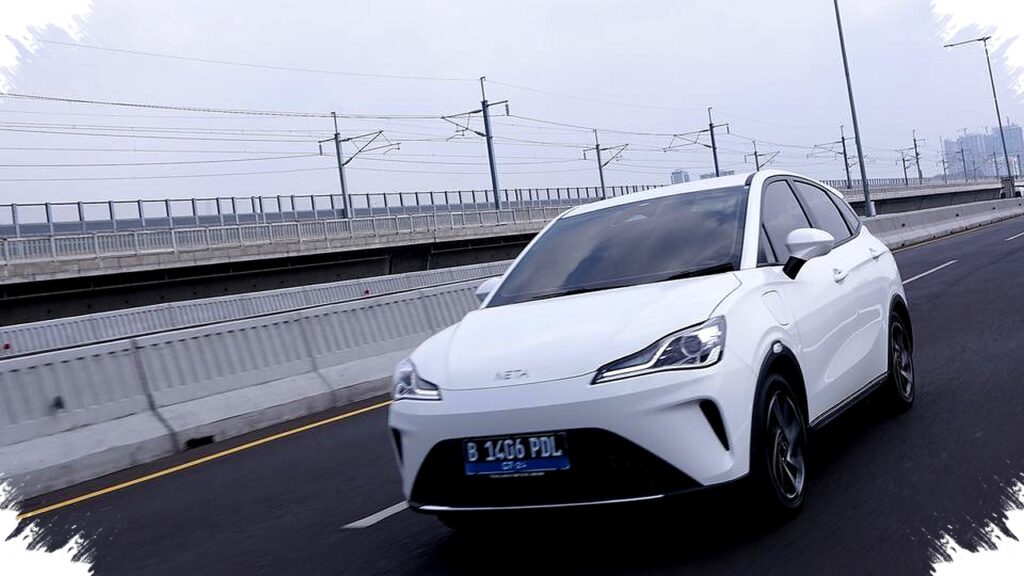
5. Chery iCar-style compact EV options
Chery has also expanded attention toward small-format electric vehicles that fit urban use cases. In this segment, compact EVs with crossover styling appeal to buyers who want something different from a basic hatchback.
These models matter because they show how the market is no longer limited to one body style. The practical result is that budget-conscious buyers can now consider electric cars that feel more modern, more expressive, and more SUV-like without leaving the affordable bracket entirely.
A simple overview of the most relevant choices
| Model | Body style | Main strength | Best for |
|---|---|---|---|
| Wuling Air EV | Ultra-compact city car | Easy parking and urban use | Solo drivers and commuters |
| Wuling Binguo EV | Hatchback | Better practicality | Small families |
| Seres E1 | Compact city EV | Accessible entry price | Daily city travel |
| BYD Dolphin | Compact hatchback | Refined feel and technology | Buyers seeking a more premium compact EV |
| Compact Chery EV options | Small crossover / city EV | Fresh styling and versatility | Urban users who want SUV-like design |
Why these cars fit the current market
The biggest reason these EVs attract attention is not just the sticker price. They also represent a shift in how electric mobility is being packaged for mainstream buyers, especially in cities where driving distances are predictable and charging access is gradually improving.
Industry positioning now favors cars that can serve as daily transport rather than long-haul specialists. That approach helps explain why compact EVs dominate the affordable bracket, since they balance cost, size, and everyday usability more effectively than larger electric models.
What buyers usually compare before choosing
Range remains one of the first things shoppers check, followed by charging convenience and after-sales support. Build quality, cabin space, and software features also matter more now because buyers no longer see affordable EVs as basic products with limited expectations.
Another important factor is resale value and brand ecosystem. A car that has visible support, service availability, and a growing user base often feels safer for first-time EV buyers, even when several models sit in a similar price zone.
The real value of affordable EVs in this segment
For many households, the appeal of a budget EV is less about prestige and more about daily efficiency. A compact electric car can reduce fuel dependence, simplify city driving, and fit a modern lifestyle where short trips dominate routine mobility.
That is why the sub-$13,000 EV category deserves close attention in Indonesia. It now offers enough variety for buyers to compare design, range, size, and practicality instead of treating electric cars as a distant premium product.