


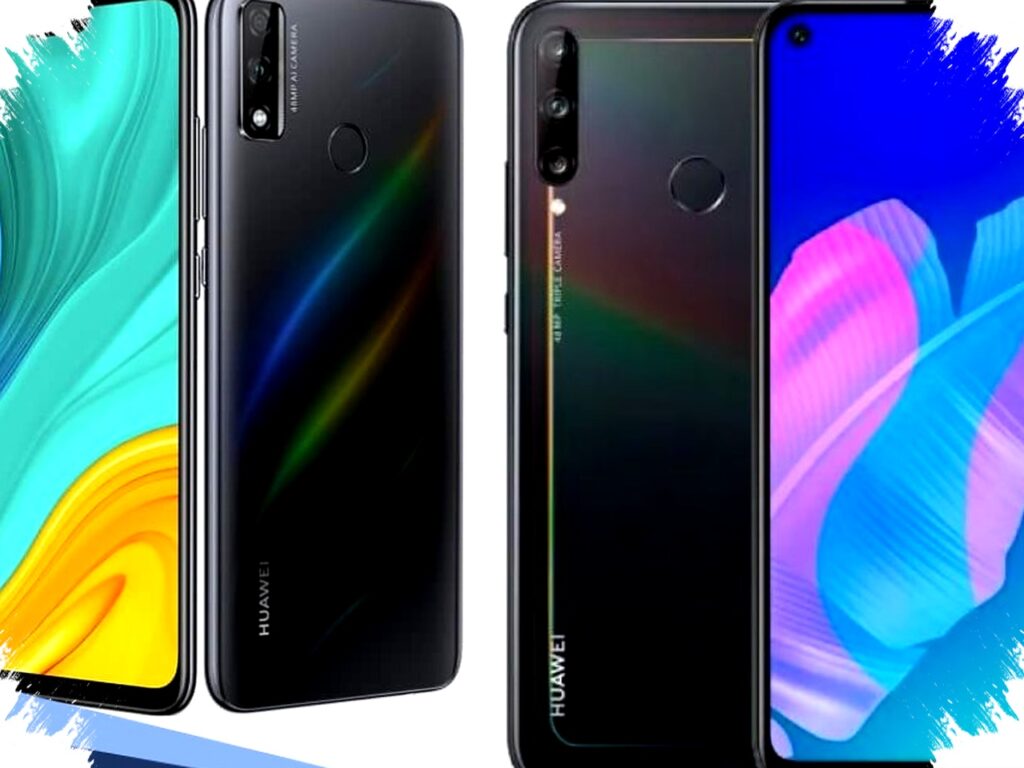
Huawei continues to attract budget buyers who want a practical phone without pushing spending too high. For shoppers looking in the roughly $130 to $180 range, several older Huawei models still stand out for display quality, battery size, and balanced everyday performance.
That price band is especially relevant for users who mainly need a device for messaging, social media, browsing, streaming, and light multitasking. Based on the reference data and current market context, these five Huawei phones remain worth considering for April.
Why Huawei still matters in the budget segment
Huawei phones in this class usually focus on clean design, large batteries, and solid screen sizes. They may not compete with newer midrange models on raw software convenience, but they can still offer good value for basic daily use.
The key point for buyers is to match expectations with the device category. These phones are best suited for users who prioritize display comfort, battery endurance, and stable performance for common apps rather than demanding gaming or the latest Android features.
1. Huawei Y8s
Huawei Y8s is one of the most balanced options in this price range. It measures 162.4 mm x 77.1 mm x 8.1 mm and weighs 180 grams, which makes it large but still manageable for one-handed use if the user is comfortable with a bigger screen.
The phone uses a 6.5-inch display with a 19.5:9 aspect ratio and 396 ppi density, which helps it deliver a crisp viewing experience. Under the hood, it runs on the HiSilicon Kirin 710 chipset with an octa-core CPU configuration of 4 x 2.2GHz and 4 x 1.7GHz, paired with 4 GB RAM and 64 GB or 128 GB of internal storage.
For everyday use, that combination is still acceptable for browsing, chat apps, video playback, and light productivity. It also comes with a battery large enough for a full day of moderate use and supports 10W charging, so it fits users who want a practical all-rounder.
2. Huawei Y6p
Huawei Y6p offers a different kind of value because it emphasizes battery life and straightforward usability. It measures 159.1 mm x 74.1 mm x 9 mm and weighs 185 grams, so it feels sturdy in hand even though it is not the lightest device in the group.
Its 6.3-inch screen and 278 ppi density make it suitable for reading, social media, and video consumption. The display is not the sharpest in the lineup, but it remains comfortable enough for users who care more about size and battery efficiency than premium visuals.
Y6p is often appealing to users who want a dependable phone for calls, chat, and basic apps without overpaying. It is best viewed as a straightforward budget handset that focuses on essential functions and long-lasting daily use.
3. Huawei Y7a
Huawei Y7a is a strong pick for buyers who want a larger battery and a more modern feel. The model is known in the budget segment for offering a large display and a design that remains competitive for users who consume a lot of video content.
It is a good fit for people who need a phone for entertainment, online classes, and daily communication. In this category, Y7a usually stands out because it balances screen size, battery endurance, and general usability better than many entry-level rivals.
When compared with smaller-budget phones, Y7a is often more comfortable for users who prefer bigger visuals and longer unplugged usage. That makes it relevant for people who do not want to charge too often during the day.
4. Huawei Y5p
Huawei Y5p targets users who want a simple and affordable secondary phone. It is compact, easy to carry, and light enough for those who value portability more than a large screen.
This model is best for calls, messaging, and light app use. It does not aim to be a performance leader, but it can serve well as a backup device or a phone for users with basic needs.
For buyers who only want essential smartphone functions, Y5p remains a practical option. Its simplicity is part of the appeal, especially for students, older users, or anyone who prefers a no-frills experience.
5. Huawei Nova Y60
Huawei Nova Y60 brings a more modern budget package into the discussion. It is often considered by users who want a larger battery and a design that feels newer than many older entry-level Huawei models.
The phone is suitable for routine daily activities like social media, light productivity, and media consumption. It is also attractive for people who want a phone that looks current while staying inside a modest budget.
Nova Y60 can be a smarter choice than older entry-level phones if the goal is to get a fresher user experience. For many buyers, that visual and practical upgrade matters almost as much as raw hardware specifications.
Quick comparison of the main picks
| Model | Best for | Main strengths |
|---|---|---|
| Huawei Y8s | Balanced daily use | Large display, 4 GB RAM, solid storage options |
| Huawei Y6p | Battery-focused buyers | Comfortable screen size, practical design |
| Huawei Y7a | Media and multitasking | Big screen, strong battery appeal |
| Huawei Y5p | Basic use and portability | Compact body, simple operation |
| Huawei Nova Y60 | Modern budget look | Fresh design, everyday practicality |
What buyers should check before choosing
Huawei phones in this segment can differ a lot in software support, app availability, and regional pricing. Buyers should check whether the device still fits their app needs, especially if they rely on services that may be affected by Huawei’s ecosystem restrictions.
Storage capacity also matters more than many buyers expect. A model with 64 GB may be enough for light users, but people who install many apps, save videos, or store photos should look for 128 GB if available.
Battery size is another major filter. Phones like Y6p, Y7a, and Nova Y60 are often more attractive to users who stay on the move and want longer usage between charges.
Who should buy a Huawei phone in this range
These phones are most suitable for users with clear priorities. They work well for students, parents, secondary-phone buyers, and anyone who mainly needs a reliable daily device rather than the latest performance features.
The strongest value often comes from matching the model to the use case. Huawei Y8s suits users who want a more balanced setup, Y6p fits battery-minded buyers, Y5p works for simple tasks, Y7a is good for media use, and Nova Y60 offers a newer-feeling budget experience.
For shoppers comparing phones around the $130 to $180 mark, Huawei still has options that remain relevant because they focus on the basics that matter most. Screen comfort, battery life, and everyday usability continue to define why these models stay on the shortlist for budget buyers looking for a practical phone in April.