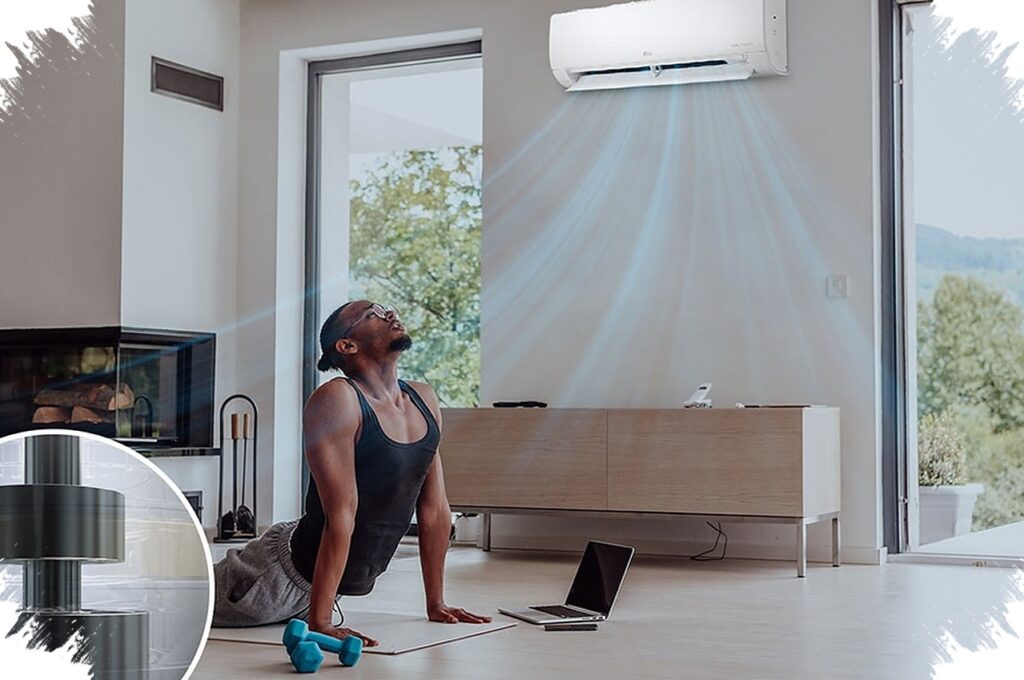
Energy-efficient air conditioners are becoming a priority for households that want to stay cool without pushing electricity bills higher. For compact homes, rental rooms, and subsidized housing, a 1/2 PK AC often fits the room size and budget better than larger units.
The latest market options show that buyers can now find models that balance lower power consumption, modern cooling features, and more eco-friendly refrigerants. In practical terms, that means a household can choose an AC that is affordable to buy, cheaper to run, and less stressful on monthly utility costs.
Why 1/2 PK AC Remains a Smart Choice
A 1/2 PK AC is commonly used for rooms around 15 to 25 square meters, which makes it suitable for bedrooms, small living rooms, and dorm-style spaces. If the unit is too large for the room, it wastes energy, and if it is too small, it works harder and cools less effectively.
That balance matters more now because many households run their AC every day. The wrong unit can raise electricity use quickly, while the right one can keep the room comfortable without excessive power draw.
Energy-Saving Features That Matter Most
The most important factor is not only the purchase price, but also how efficiently the AC works over time. Models with inverter technology usually adjust compressor speed automatically, so the system does not keep running at full power once the temperature is stable.
Refrigerant choice also matters. Many newer units use R32, which is widely considered more efficient and more environmentally friendly than older refrigerants such as R22. Features like timer, auto restart, and smart mode can also improve daily use, especially in homes where the AC runs for long hours.
Three Affordable and Efficient AC Models to Watch
- Panasonic ZN5YKP
- Daikin FTKH15YV
- LG Dual Inverter
These three models stand out because they combine relatively low energy use with features that support daily comfort. Their prices and specifications differ, so the best choice depends on whether the buyer prioritizes the lowest upfront cost or lower electricity spending over time.
Model Comparison at a Glance
| Brand and Model | Type | Power Use | Refrigerant | Main Features |
|---|---|---|---|---|
| Panasonic ZN5YKP | Non-inverter | Around 350 watts | R32 | Nanoe™ air cleaning, fast cooling |
| Daikin FTKH15YV | Inverter | Around 360 watts | R32 | Blue Fin protection, quiet operation |
| LG Dual Inverter | Inverter | Around 330 watts | R32 | Dual compressor, Smart Mode |
The Panasonic ZN5YKP is a practical non-inverter option for buyers who want a lower entry price and straightforward daily cooling. Its Nanoe™ feature helps support cleaner air, while the use of R32 adds an environmental advantage over older refrigerants.
Daikin FTKH15YV is positioned as a longer-term solution for households that can spend a little more at the start. Its inverter system helps keep power use stable, and the Blue Fin coating helps protect key parts from corrosion, which can matter in humid climates.
LG Dual Inverter is attractive for homes with limited electricity capacity, especially where the AC needs to run often. With power starting at around 330 watts, it offers one of the more efficient profiles in this group, while its dual compressor design helps speed up cooling.
What the Price Range Looks Like
Market prices for 1/2 PK AC units still vary by store, region, and promo period. Based on current reference data, the approximate ranges are as follows.
| Brand and Model | Estimated Price |
|---|---|
| Panasonic ZN5YKP | $206–$225 |
| Daikin FTKH15YV | $290–$310 |
| LG Dual Inverter | $258–$277 |
These figures show a clear spread between non-inverter and inverter models. Buyers with tighter budgets may lean toward Panasonic, while those focused on long-term efficiency may consider LG or Daikin despite the higher initial cost.
How Buyers Can Choose the Right Unit
- Match the AC capacity to the room size. A 1/2 PK unit works best in compact rooms around 15 to 25 square meters.
- Check the refrigerant label. R32 is a better option for efficiency and environmental impact.
- Compare inverter and non-inverter designs. Inverter units usually save more electricity if the AC is used daily.
- Review useful comfort features. Timer, smart mode, and auto restart can improve convenience without adding much complexity.
- Factor in monthly electricity cost, not just the sticker price. A cheaper unit can become expensive if it consumes more power over time.
Households with 900 VA or 1300 VA electricity capacity often pay close attention to wattage before buying. In that situation, a low-power inverter model can be safer for daily operation, especially if other appliances also run at the same time.
Why Eco-Friendly Choices Are Gaining Attention
Demand for more efficient ACs continues to rise because warmer weather has made cooling a routine need in many cities and suburban areas. At the same time, consumers are becoming more aware that an air conditioner can affect both the electricity bill and the home’s environmental footprint.
That is why R32 refrigerant and inverter technology appear again and again in product discussions. They do not only promise comfort, but also help reduce unnecessary energy waste when the AC is used consistently throughout the day.
What to Expect in the Current Market
The latest AC lineup shows that budget-friendly cooling no longer means giving up efficiency. Even lower-priced models now include cleaner refrigerants and practical features that were once found mainly in premium units.
For households shopping for a 1/2 PK AC, the best option depends on usage patterns and electricity limits. A non-inverter model can be enough for light, predictable use, while inverter models usually offer stronger value for homes that run cooling for long hours and want to manage energy use more carefully.