


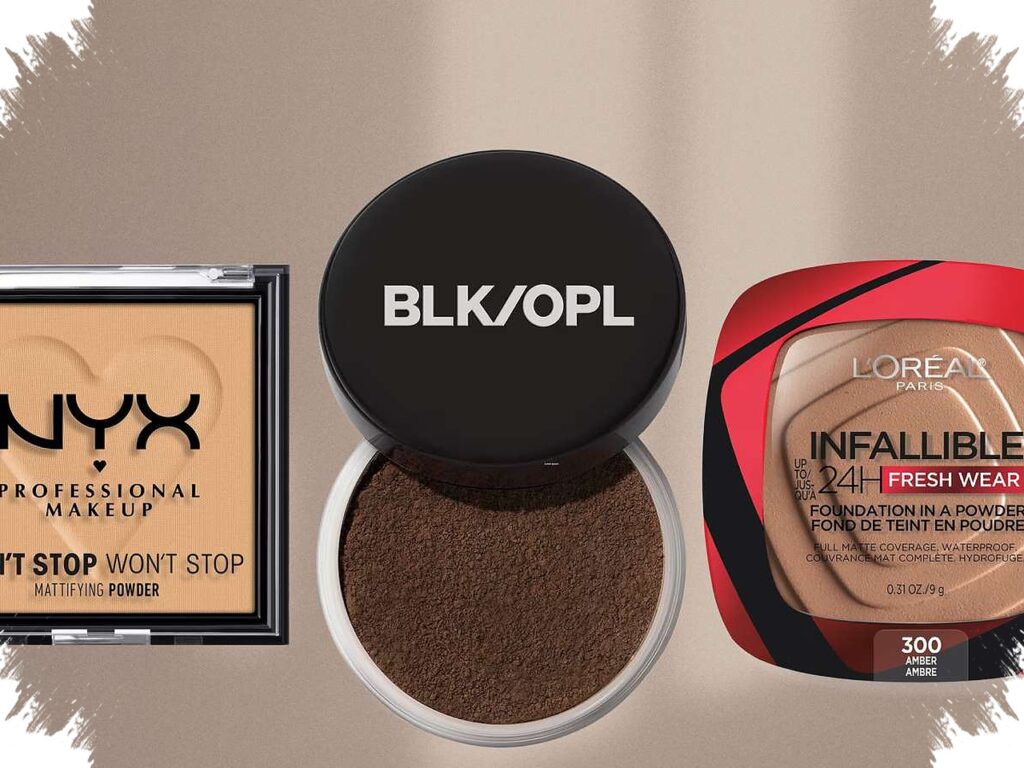
Setting powder remains one of the most practical products in makeup because it helps foundation and concealer stay in place for longer. It also reduces excess shine, softens the look of pores, and gives the skin a smoother finish.
Beauty shoppers often look for powders that feel light, control oil, and do not leave a visible cast on the skin. The right formula can make a noticeable difference, especially for daily wear, long events, or humid weather.
Why setting powder matters
Setting powder works by locking liquid or cream products after application. It can also help reduce movement in makeup, which is why many makeup artists use it as a final step before completing the rest of the face.
According to the reference article, setting powder is used after foundation or concealer to “lock” makeup and help control excess oil. It can also create a softer matte effect while minimizing the appearance of fine lines and pores.
7 setting powder recommendations
- REKA In-Real-Life Skin Filter Loose Setting Powder
This loose powder has a smooth, lightweight texture and a talc-free formula. It also contains soft-focus particles and hydrolyzed hyaluronic acid, which helps support skin comfort and prevent a dry finish.
The product delivers a soft-matte result and is designed to avoid flashback under camera flash. It is sold at around $7.50 for 6 grams based on the reference pricing.
- MOP Microblur Loose Powder
MOP’s Microblur Loose Powder comes in three shades: Oat, Wheat, and Latte. Its micro-texture is designed to help set makeup while giving the skin a blurred appearance.
The formula includes oil-control benefits, so it helps keep the face matte without feeling heavy or dry. It is also translucent, which makes it easier to use across different skin tones without leaving a white cast.
- MUAQ Fabuloose Powder
MUAQ Fabuloose Powder is another loose powder option that focuses on a soft, polished finish. Products in this category usually appeal to users who want brightness and smoother-looking skin without a thick layer of powder.
A loose formula like this is typically useful for baking or touch-ups because it can build coverage gradually. That makes it a practical choice for makeup that needs to hold up through long wear.
- Make Over Powerstay Matte Setting Powder
Setting powders with matte claims are often chosen by oily or combination skin types because they help reduce midday shine. A product in this category is useful for setting the T-zone, especially around the nose, forehead, and chin.
A formula that balances oil control and comfort is usually preferred, since powders that are too dry can emphasize texture. This type of product works best when applied lightly with a small brush or puff.
- Wardah Colorfit Mattifying Powder
Mattifying powders remain popular because they combine everyday wearability with a smoother finish. They can help blur the skin and keep makeup looking neat without requiring frequent reapplication.
A product like this is often a good starting point for users who want a simple, affordable setting step. The result is generally more natural than a heavy full-coverage powder layer.
- Somethinc Bake Loose Powder
Loose baking powders are often selected for their ability to hold makeup in place for extended periods. They are commonly used under the eyes, along the jawline, and in areas that need extra setting.
This kind of powder is useful when the goal is a more refined finish with controlled shine. It also gives more flexibility because users can apply a thin layer for daily wear or a fuller layer for occasions.
- Luxcrime Lose Powder
A lightweight powder is often ideal for people who want makeup to look fresh with minimal buildup. Loose powders in this category usually perform well for touch-ups because they do not disturb the base underneath.
The main benefit is convenience, since the powder can be used quickly during the day without making the skin look cakey. That makes it appealing for office wear, travel, or long outdoor activities.
How to choose the right setting powder
Choosing the right setting powder depends on skin type, finish preference, and how much coverage is needed. Oily skin usually benefits from oil-control and matte formulas, while normal to dry skin often does better with lightweight powders that contain soft or hydrating ingredients.
The shade also matters, especially for loose powders. Translucent formulas are easier for many skin tones, but powders with specific shades can work better when the goal is extra brightening or a more tailored finish.
Simple guide to match powder with skin needs
| Skin need | Better powder type | Key benefit |
|---|---|---|
| Oily skin | Matte or oil-control powder | Helps reduce shine |
| Dry skin | Lightweight powder with hydrating ingredients | Feels more comfortable |
| Combination skin | Translucent loose powder | Balances finish and flexibility |
| Under-eye setting | Fine loose powder | Helps prevent creasing |
| Long wear makeup | Blur or bake powder | Improves staying power |
Application tips for longer wear
A small amount usually works better than a thick layer, because too much powder can make makeup look heavy. Pressing the powder gently with a puff or brush also helps the base stay intact and look smoother.
For areas that crease easily, such as under the eyes, a light layer can be set first and then slightly pressed in after a short wait. This method helps makeup last longer without making the skin appear dry or textured.
Setting powder continues to be a core product for anyone who wants makeup to last through busy days, heat, or humidity. A well-matched powder can keep the face looking smoother, more refined, and more stable from the first application until the end of the day.