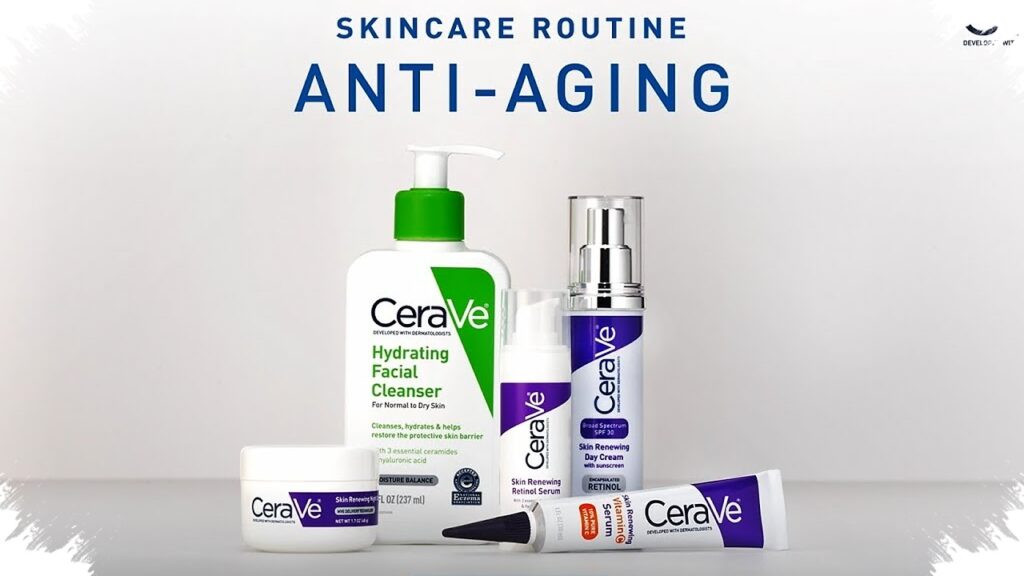
Anti-aging serums have become a key part of many skincare routines because they target early signs of aging while keeping the skin looking bright and hydrated. Their lightweight, water-based texture helps active ingredients penetrate more easily than heavier creams, which makes them effective for concerns such as fine lines, dullness, uneven tone, and loss of firmness.
What makes a serum especially useful is its high concentration of active ingredients. Many formulas combine antioxidants, peptides, AHA, BHA, retinol, bakuchiol, niacinamide, and ceramides to support collagen production, encourage cell turnover, and strengthen the skin barrier at the same time.
Why anti-aging serum matters for younger-looking skin
Anti-aging skincare is not only for mature skin. Regular serum use can help preserve skin resilience, improve elasticity, and reduce the visible impact of environmental stress before it becomes more noticeable. Lauren Levinson, a beauty enthusiast at Byrdie, notes that consistent serum use can help aging skin look more elastic and support the skin’s protective layer, while younger skin can benefit from barrier support and early prevention.
Dermatology experts generally agree that the biggest value of a serum lies in its ability to deliver targeted ingredients in a concentrated form. That makes it suitable for people who want a simpler routine with visible results, especially when the main goals are glow, smoothness, and fewer fine lines.
What ingredients usually work best
Different formulas serve different needs, but several ingredients stand out for anti-aging care. Retinol is widely used because it supports skin renewal and helps soften the look of wrinkles over time. Bakuchiol is often chosen by people who want a gentler alternative, while niacinamide and ceramides help calm the skin and reinforce the barrier.
AHA and BHA can also be useful when dullness and rough texture become the main concern. These exfoliating acids remove dead skin cells more efficiently, which can improve radiance and make skin care ingredients absorb better.
Recommended serum types and their benefits
Retinol-based serums
These are usually best for people who want to address fine lines, texture, and early signs of aging. Retinol works best when used gradually, because overuse can cause dryness or irritation.Bakuchiol serums
Bakuchiol is often marketed as a milder option for sensitive skin. It is commonly paired with soothing ingredients such as ceramides or niacinamide to support a smoother and more comfortable experience.Niacinamide and brightening serums
These formulas can help reduce the appearance of dark spots, dullness, and post-acne marks. They are also useful for skin that needs a healthier glow without strong exfoliation.- Peptide and collagen-support serums
Peptides help support firmness and skin repair. While they do not replace collagen, they can be a solid option for people focused on maintaining a more supple look.
Popular products consumers often look for
Several products in the market are frequently chosen because they balance anti-aging benefits with skin comfort. N’PURE Marigold Anti Aging Youth Defense Face Serum is known for targeting dark circles, dark spots, and dullness while keeping the formula light enough for oily skin.
Skintific Retinol Skin Renewal is often used two to three times a week rather than daily, since retinol works best with controlled use. It is commonly selected for smoother texture, reduced breakouts, and a brighter overall look.
Viva Retinol Serum offers a fragrance-free texture and includes collagen, hyaluronic acid, and bakuchiol, which makes it attractive for people seeking a gentler night serum. Wardah Renew You 1% Retinol Microcapsule Ceramide Cell Renewal uses a lower retinol concentration and is designed to help skin feel plumper, especially for users who prefer a more controlled anti-aging routine.
Hanasui Power Bakuchiol Serum combines niacinamide, glutathione, ceramide, and Symwhite 377, making it a budget-friendly option for users concerned with fine lines, sensitivity, and acne marks.
How to use anti-aging serum effectively
- Cleanse the face gently before applying serum.
- Use only a few drops, then spread evenly across the skin.
- Apply sunscreen in the morning if the serum contains retinol or exfoliating acids.
- Start with two to three uses per week for active formulas.
- Pair the serum with a moisturizer to protect the skin barrier.
Consistency matters more than quick results. Most anti-aging serums need regular use over time before the skin looks smoother, brighter, and more even.
Choosing the right serum for different skin needs
Skin type should guide the choice more than trends. Oily or acne-prone skin often responds well to lightweight, non-greasy formulas with niacinamide or retinol, while sensitive skin usually benefits from bakuchiol, ceramides, or fragrance-free formulas.
Dry skin may need a serum with hyaluronic acid and barrier-supporting ingredients to reduce tightness and improve comfort. For combination skin, a balanced formula with brightening and calming ingredients can work well without feeling heavy.
Anti-aging serum remains one of the most flexible skincare products because it can target specific concerns without adding too much weight to a routine. With the right formula and consistent use, it can help the skin look fresher, smoother, and more glowing while supporting long-term skin health.