


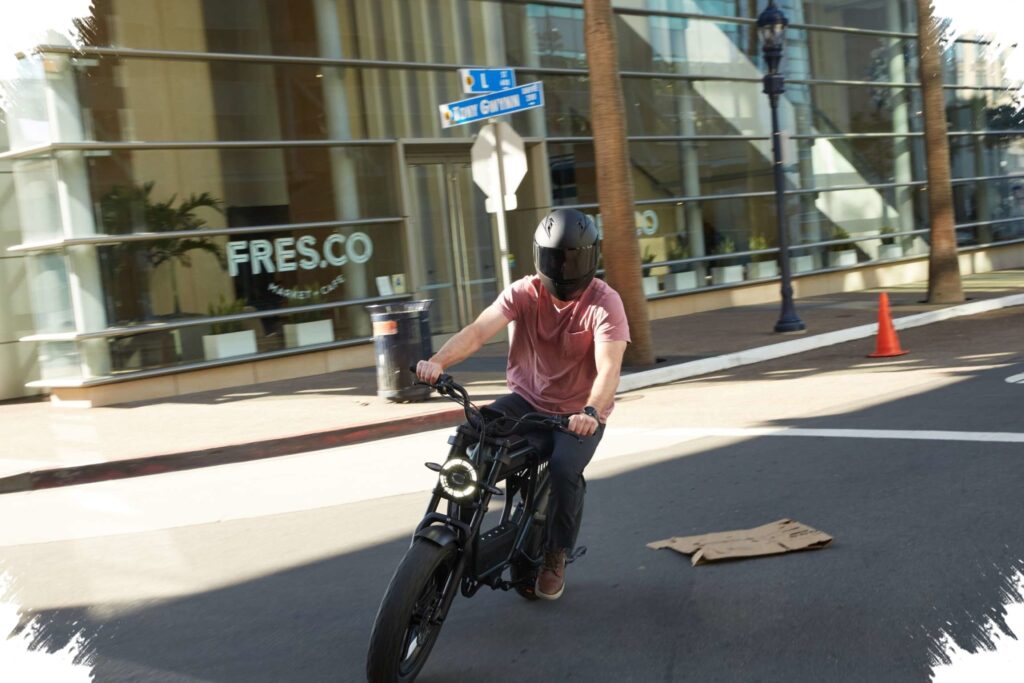
Electric motorcycles are gaining stronger attention as practical daily transport, especially for riders who want lower running costs and cleaner mobility. In Indonesia, the market continues to expand even without fresh purchase subsidies, as more brands now offer models that fit short urban commutes, mixed-use travel, and budget-conscious buyers.
The main appeal is simple: charging costs less than gasoline, maintenance is lighter because there is no engine oil system, and tailpipe emissions are effectively zero. For commuters, that combination makes electric motorcycles one of the most relevant mobility choices for daily use, provided the rider matches the model to the real travel pattern.
Why electric motorcycles remain attractive for daily mobility
Electric motorcycles suit riders who travel mostly within the city and do not need long-distance riding every day. The operating cost is one of the strongest selling points, with some estimates placing usage at around $0.06 to $0.13 per 62 miles, depending on battery size, electricity tariff, and riding style.
That low cost is paired with simpler upkeep. There is no oil change cycle like a conventional motorcycle, and fewer moving components can mean fewer routine service items over time. Many models also deliver quick throttle response, which helps in stop-and-go traffic.
Key challenges buyers should still consider
The biggest obstacle remains charging infrastructure, especially outside major cities. Range anxiety also matters, because real-world distance can drop with heavier loads, aggressive riding, or frequent use of high-speed mode.
Battery ownership terms are another important factor. Some brands sell the battery with the bike, while others offer a separate battery rental scheme that lowers entry price but adds a monthly cost. Buyers should check warranty coverage, charging access, and service network availability before making a decision.
Recommended electric motorcycles for practical use
Below are several models that stand out for different needs, from short-distance commuting to stronger performance.
| Model | Estimated Range | Top Speed | Indicative Price |
|---|---|---|---|
| Polytron Fox Series | up to 80 miles | around 56 mph | about $711 to $1,284 |
| Selis E-Max / Neo Scootic | 25 to 37 miles | suitable for short trips | about $837 and up |
| Alva N3 / Cervo | up to 78 miles | around 64 mph | about $1,000 to $3,213 |
| Gesits Raya E / G1 | 31 to 43 miles | around 43 mph | about $1,395 to $2,020 |
| United MX-1200 | up to 62 miles | urban-friendly level | about $940 to $1,055 |
Polytron Fox Series remains one of the most balanced options in the mid-range segment. It offers strong value for riders who need a bike for daily city travel and want the option of a lower upfront cost through a battery scheme.
Selis E-Max and Neo Scootic are more suitable for short commuting. These bikes work well for school runs, quick errands, and compact urban routes where daily mileage stays modest.
Alva N3 and Cervo serve buyers who want more performance. With stronger output and higher speed capability, they appeal to users who want an electric motorcycle that feels closer to a conventional mid-performance scooter.
Gesits Raya E and G1 remain important local choices because they combine recognizable Indonesian branding with usable urban range. They are best suited for riders who want a straightforward electric commuter with predictable daily operation.
United MX-1200 is another practical option with a more assertive design. Its range is adequate for everyday travel, and its pricing keeps it in reach for buyers looking for a durable commuter without entering the premium bracket.
How to choose the right electric motorcycle
- Match the range to daily travel distance, not just advertised figures.
- Check whether the battery is included in the purchase or billed separately.
- Look for service centers and charging support near home or work.
- Compare seat comfort, storage space, and braking feel during a test ride.
- Review warranty terms for the battery, which is the most expensive component.
Market outlook for urban riders
Electric motorcycles are also supported by broader policy direction, including conversion programs that encourage switching conventional bikes to electric power. That makes the segment more visible for commuters, delivery riders, and households looking for lower-cost transport.
Pricing remains broad, with many models positioned from roughly $680 to $3,400 depending on specification, battery package, and features. For daily mobility, the best choice is usually the one that balances range, charging access, and total ownership cost rather than the one with the highest speed figure.