


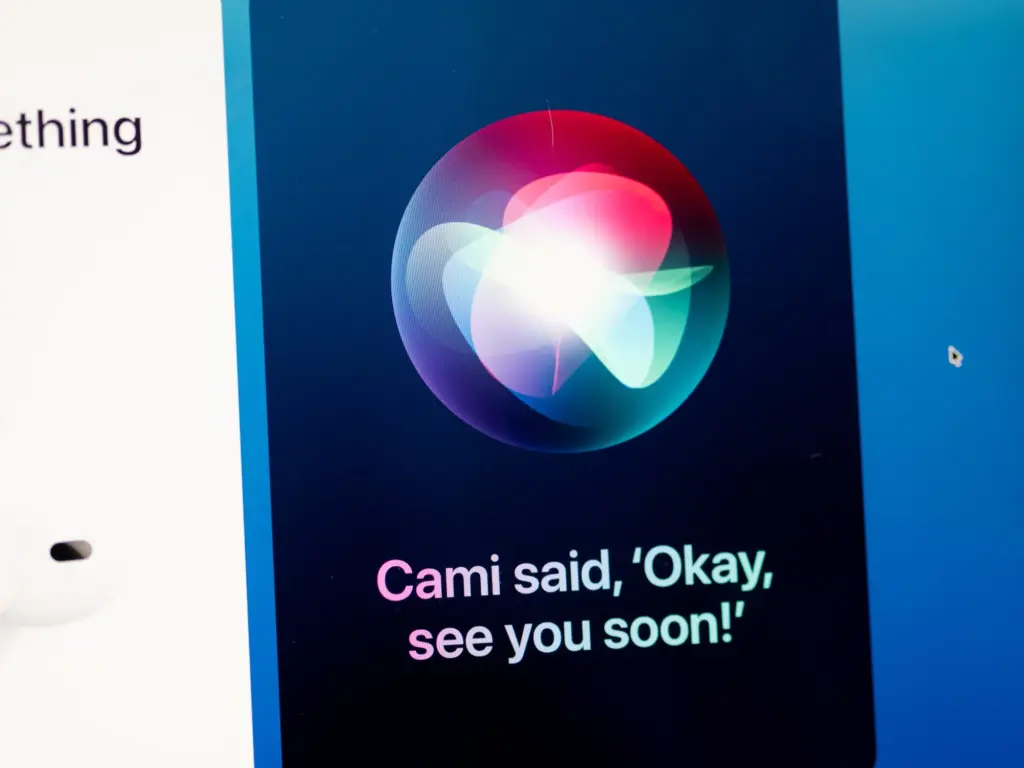
Apple’s next software direction appears to be less about showing off artificial intelligence and more about making everyday interactions feel effortless. In iOS 27, Siri is expected to become more natural in conversation, faster in response, and still grounded in the privacy-focused approach Apple has long promoted.
That shift matters because the assistant is being positioned as part of daily use, not as a separate demo of AI capabilities. Instead of forcing people to learn rigid commands, the system is designed to handle requests in a more human way, from finding photos from last weekend to opening the latest email or turning on the living room lights.
A more natural Siri experience
The clearest change in iOS 27 is the move toward language that feels less scripted. Users are expected to speak more naturally, and Siri is meant to understand those requests without requiring exact phrasing.
That includes simple but practical tasks that fit into routine behavior. The goal is for Siri to respond to context in a way that reduces friction, rather than making the user work through multiple steps or memorize specific instructions.
Apple is also pushing AI deeper into core functions so the experience feels simple rather than experimental. That approach stands apart from many AI products that tend to highlight chatbot features or showcase limited demonstrations.
AI that works in the background
iOS 27 is described as using AI to support everyday habits in a more proactive way. The system could suggest commonly used apps during a morning routine, adjust settings when someone arrives at the office, or recommend a playlist during a workout.
That makes Siri less passive than before. Instead of waiting only for direct commands, it is being shaped to anticipate needs while still acting as a helper rather than taking control away from the user.
The emphasis here is not on adding complexity. It is on making device intelligence feel invisible, so assistance happens in the background and the interaction stays smooth.
Accessibility is getting a major role
One of the most notable parts of the iOS 27 preview is the focus on accessibility. Apple is using AI as a tool to expand access for users with different needs, not just as an extra layer on top of the operating system.
AI-generated subtitles are a key example. They are expected to provide real-time transcription for private and shared media, including live conversations, video calls, and streaming content.
For users who are deaf or hard of hearing, that can make both conversations and media much easier to follow. The same idea extends to other accessibility tools, where AI is used to improve understanding rather than simply add a new feature.
VoiceOver is also set to gain context-aware improvements through AI. The screen reader is described as better at reading documents, describing images, and interpreting complex layouts.
That matters for blind and low-vision users, since digital content often becomes difficult to navigate when pages are structured in a complicated way. Better contextual understanding can make documents, apps, and visuals more usable without adding extra effort.
Magnifier is getting attention as well. Apple is adding more advanced contrast controls so users with low vision can adjust text and images in a way that better suits their needs.
Privacy remains central to the design
Apple’s AI strategy in iOS 27 continues to center on on-device processing. That means sensitive user data does not need to be sent to external servers for the main features to work.
The benefit is twofold. Privacy is better protected, and performance is expected to be faster and more reliable for tasks such as voice recognition, image processing, and context-aware actions.
This is consistent with Apple’s long-standing focus on data protection. In an era where many AI features depend heavily on personal habits and preferences, local processing gives Apple a way to combine intelligence with a stronger privacy posture.
That choice also helps explain the overall tone of the iOS 27 preview. The emphasis stays on useful, everyday functionality rather than cloud-based AI experiments that may look impressive but feel less practical.
The same approach is showing up in Vision Pro
Apple’s wider AI direction is also visible in Vision Pro. The headset includes advanced accessibility features such as eye tracking, allowing users to control the device through gaze and blinking.
For people with physical mobility limitations, that creates a more independent way to interact with technology. Apple is also extending eye-based navigation for wheelchair users, supported by advanced sensors and AI to make the experience more fluid.
Across both iOS 27 and Vision Pro, the pattern is the same. Apple is using AI to remove barriers in daily use, while keeping the experience anchored in privacy and practicality rather than spectacle.
What stands out most in this preview is not how much Siri can say, but how well it can understand. If Apple keeps this direction, iOS 27 could make the assistant feel more natural, more useful, and more consistent with the privacy standards users expect from the company.
Source: www.geeky-gadgets.com