


Samsung is pushing Galaxy wearables beyond sleep tracking and into home automation. With a new feature called WindFree Wearable Good Sleep, Galaxy Watch and Galaxy Ring can now help control an AC so the bedroom stays comfortable through the night.
The system links sleep data from Galaxy wearables directly to Samsung air conditioners through SmartThings. That means temperature settings can adjust in response to the user’s body condition while they sleep, instead of staying fixed after bedtime.
How the cooling changes during sleep
The feature is designed to work in stages. When the wearable detects that the body has moved from wakefulness into sleep, it sends a signal to the AC to adjust the room temperature based on the sleep phase.
At the start of sleep, the AC keeps the room cooler. Samsung says this is meant to make it easier and more comfortable to fall asleep.
As sleep becomes deeper, the system shifts to a slightly warmer setting. The AC can raise the temperature or turn itself off completely, depending on the need at that point in the night.
Samsung says this adjustment is not limited to a single change. The system can make several temperature shifts over the course of one night, following each user’s sleep pattern.
What is needed to use it
This function is limited to the Bespoke 2026 AC lineup. More specifically, it requires a Bespoke AI WindFree air conditioner.
The wearable also needs the SmartThings app installed. The AC must be connected to a home Wi-Fi network so all devices can communicate with each other.
Activation is handled from the watch through the menu labeled “Sleep well with smart devices.” That menu serves as the control point for linking the wearable with the home appliance.
Why Galaxy Watch and Galaxy Ring matter here
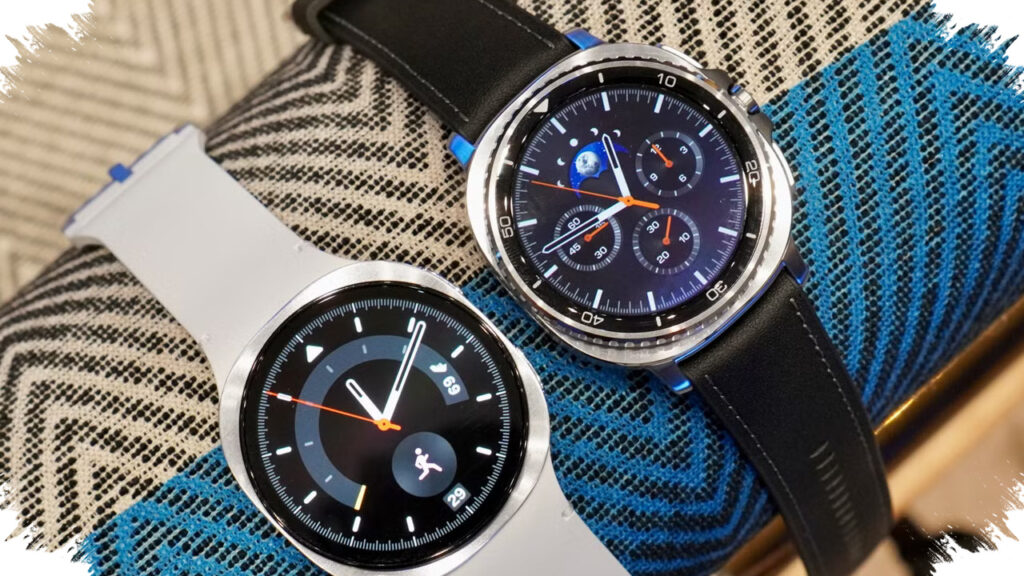
Samsung treats Galaxy Watch as a health and fitness device with newer wellness features and AI-based elements. The Galaxy Watch 8 shown in the material comes in 40 mm and 44 mm sizes, with 1.3-inch and 1.5-inch Super AMOLED displays, an Exynos W1000 chip, 2 GB of RAM, and 32 GB of storage.
Galaxy Ring serves as a smaller wearable option for tracking activity and sleep. It uses an accelerometer, PPG, and a skin temperature sensor, and it offers up to 7 days of battery life.
Those sensors make Galaxy Ring especially relevant for this new setup. Skin temperature tracking and sleep monitoring help the system read changes in the user’s condition while resting.
Galaxy Ring also has IP68 and 10 ATM water resistance and comes in sizes 5 through 13. It does not support notifications, but its focus on health and sleep makes it a fitting part of Samsung’s sleep-based automation strategy.
A tighter link between wearables and SmartThings
The feature shows how Samsung is extending its SmartThings ecosystem into a more personal layer of automation. Wearables are no longer limited to recording health data; they can now trigger household devices with that data.
Samsung has long pushed cross-device integration through SmartThings, but using real-time sleep data to control an AC adds a more specific use case. For people already using Galaxy devices and SmartThings, the appeal is obvious: bedroom comfort can adjust automatically throughout the night.
Instead of manually setting the room before bed, the system aims to follow the body’s sleep rhythm. In Samsung’s approach, Galaxy Watch and Galaxy Ring become more than sleep monitors, since they now help manage the bedroom environment as well.
Source: www.androidpolice.com