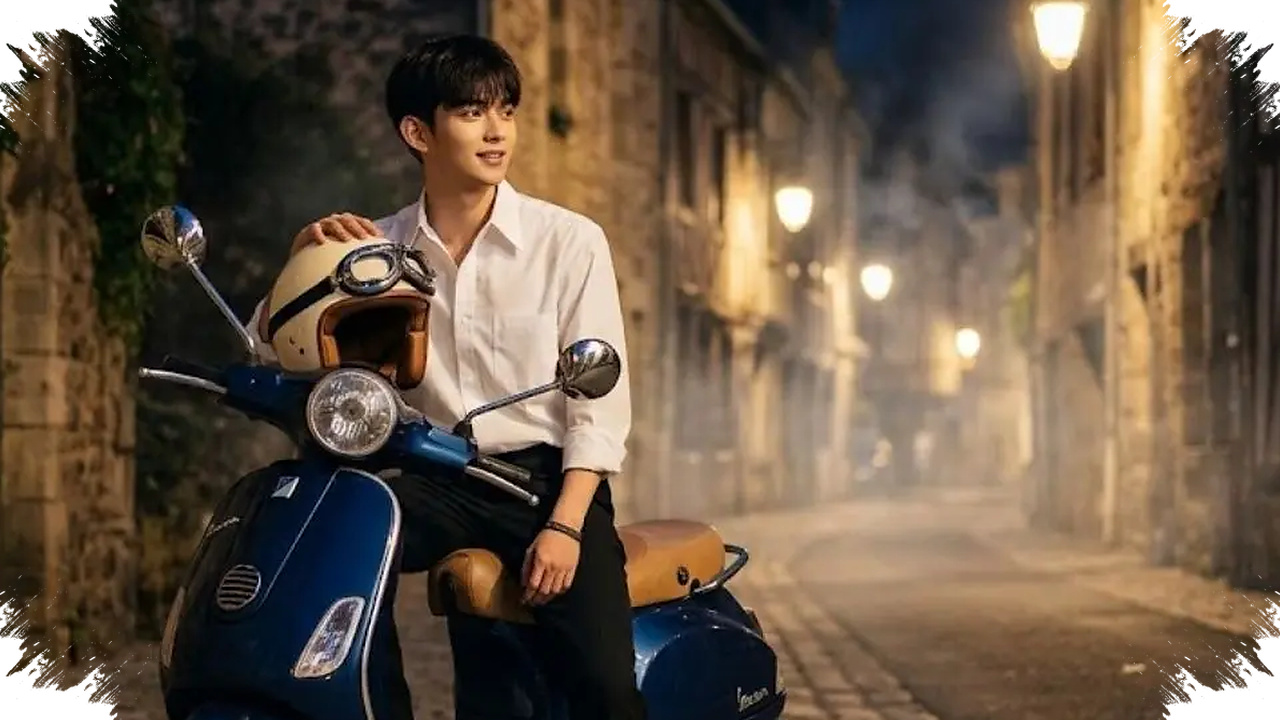
Vespa-themed Gemini AI edits are attracting attention because they can turn ordinary photos into scenes that feel calm, stylish, and unexpectedly cinematic. The classic scooter gives the image an easy vintage mood, while the right prompt can make the result look closer to a professional street photoshoot than a simple AI edit.
That appeal is not only about the scooter itself. The strongest results usually come from pairing Vespa with the right light, setting, pose, and clothing so the image still feels natural instead of overly generated.
Why the Vespa theme stands out
Vespa works well in Gemini AI because it blends naturally with vintage atmospheres, wet streets, sunset light, and old-city backdrops. Those elements quickly create a warmer and more dramatic visual tone.
The theme is also popular for personal social media use. Many people choose the final image for profile photos, Instagram posts, or personal wallpapers because it looks distinctive and visually strong.
What makes the result look real
Realism depends on more than the scooter and the background. Eye direction, hand position, facial expression, and clothing details all affect whether the final image feels natural.
Broad prompts often lead to stiff results. More specific descriptions help Gemini AI build sharper facial details, natural skin texture, lively eyes, and poses that do not look awkward.
Subtle details also matter. A slightly wet road after rain, city light reflections, or thin fog can strengthen the emotional atmosphere and make the scene feel more grounded.
Clothing and color tone shape the mood
Vintage styling is often reinforced through leather jackets, retro helmets, boots, long coats, or classic sweaters. Warm color tones are also frequently used because they add a stronger sense of nostalgia.
These choices help the image keep a consistent mood. When the outfit, lighting, and setting match, the photo feels more like a real shoot and less like a generic AI render.
Six prompt ideas for different looks
One common setup places the user on a cream-colored classic Vespa in an old city street during the late afternoon. The prompt usually asks for hands on the handlebar, a slight turn toward the camera, a brown leather jacket, wet pavement, and golden hour light.
Another prompt uses a dark blue retro Vespa on a quiet street in a classic European area. A soft smile, dim yellow streetlights, and thin fog at night make the scene feel more emotional and less rigid.
A seaside version brings a lighter mood. A pastel green Vespa on a coastal road at sunset often includes wind in the hair, an orange sky, and warm light reflecting off the scooter body.
For a more artistic result, some prompts place the user beside a classic white Vespa near an old station with a retro feel. A long coat, vintage scarf, classic leather shoes, and dim neon lighting help the photo resemble emotional street photography.
Autumn streets create another strong variation. A classic red Vespa on a small road full of falling leaves, paired with a vintage sweater, tailored trousers, and soft sunlight, gives the image a European old-photo character.
A more modern but still cinematic option uses rainy-night Tokyo. A retro black Vespa, wet streets with warm neon reflections, and a dark oversized jacket produce a dramatic look that still stays realistic.
Why the format keeps working
All of these prompt styles serve the same purpose: keeping the photo believable. Facial detail, eye clarity, skin lighting, and fabric texture need to stay controlled so the result does not look overly artificial.
The Vespa concept remains flexible because it works across many visual moods. Old-city streets, classic European districts, coastal roads, autumn lanes, and rain-soaked Tokyo can all support the same theme as long as the prompt is clear and detailed.
Source: radartasik.id-

-
-
-