


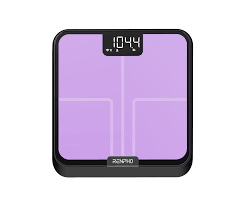
Withings is aiming at a growing audience that cares less about a single number on a screen and more about what that number represents. Its new BodyFit smart scale is built for people using GLP-1 weight-loss drugs such as Ozempic, where the key question is not simply how much weight has changed, but whether the loss came from fat or muscle.
That focus helps explain why BodyFit is being positioned as a more affordable entry point into body-monitoring features that have usually lived in pricier products. At $280, it sits below Withings’ higher-end smart scales while still bringing a deeper look at body composition into a home device.
A faster way to read body changes
The central feature of BodyFit is a body composition scan that Withings says takes 10 seconds. The system uses a built-in pull handle with four 800 MHz electrodes, plus four more electrodes on the scale surface, to support a full-spectrum six-zone scan.
The goal is to show where the body is changing, not just how much total weight is dropping. That distinction matters more for users on GLP-1 treatments, where rapid weight loss can make it harder to tell what kind of tissue is being lost.
Designed around GLP-1 use
Withings has specifically tuned BodyFit for people following GLP-1-based weight-loss treatment. In that setting, tracking muscle and fat over time becomes important because quick scale changes do not always reveal what is happening inside the body.
Dr. Jessica Duncan, a Withings partner and obesity physician at Ivim Health, said patients on GLP-1 drugs may lose 20 to 30 pounds without really knowing what disappeared from their bodies. She said the best outcomes come when patients can monitor muscle-to-fat changes in real time.
Duncan also highlighted the value of long-term at-home tracking. In her view, that kind of monitoring is still missing from many current GLP-1 care routines.
More than a weight reading
BodyFit goes beyond a standard body-weight display by showing a full body profile, hydration level, and BMI. Withings has also included several health metrics typically found in more advanced monitoring devices.
Those include standing heart rate, vascular age, and metabolic health information. The scale also offers a 12-zone matrix designed to help identify how muscle and fat are distributed across the body.
All of that information appears on a 3.4-inch color display built into the device. For users who want to review the data elsewhere, BodyFit connects to a phone app through Bluetooth and also includes built-in Wi-Fi.
Where it fits in Withings’ lineup
BodyFit joins a product family that already includes more expensive options. Withings Body Scan is priced at $500 and includes ECG, while a BodyScan 2 model at $600 is also in the works and expected to arrive later this year.
That places BodyFit as the more accessible option in the company’s body-health ecosystem. It also gives Withings a way to offer more advanced composition tracking without requiring buyers to move into the premium tier.
For users who want more guidance, Withings offers a Withings+ subscription. The service adds personalized health plans and an AI-powered health assistant.
BodyFit will be sold through the Withings online store starting June 2. Its arrival reflects how consumer health hardware is adapting to a period in which weight loss is increasingly shaped by modern drug therapies and a sharper interest in what changes inside the body, not just on the scale.
Source: www.androidpolice.com