In major cities, the smartphone has long stopped being just a communication tool. It now sits at the center of daily routines, from tracking sleep and health to controlling lights and security systems at home with a few taps.
That shift captures a larger change in urban life over the past three decades. What was once a luxury object used for calls and SMS has become part of a connected ecosystem that supports work, wellness, safety, and convenience.
The Rise of Devices as Lifestyle Anchors
In the late 1990s and early 2000s, mobile phones were often treated as status symbols. A handset clipped to the waist or placed on a café table could signal social position as much as it served a practical purpose.
The meaning of personal technology changed as smartphones became more capable. For city users, the device was no longer judged only by communication features, but by how well it could extend daily life and keep pace with a faster urban rhythm.
That transformation also reshaped retail expectations. Buyers no longer looked only for a product on the shelf, but for certainty on authenticity, legal protection, and dependable after-sales service.
Retail That Had to Evolve
Over three decades, the 30-year journey of Erajaya Group has reflected how the technology and lifestyle retail market changed alongside urban consumers. The company’s endurance has become one marker of how quickly everyday expectations have shifted.
Physical retail has also moved away from the old electronics-store model. Modern stores now emphasize direct experience before purchase, while online and offline channels are increasingly tied together through omnichannel strategies.
In a market where e-commerce is widely available, physical outlets still matter because they solve a different problem. Urban shoppers may browse products during lunch breaks, but they still want to try, touch, and carry items home after work.
Wellness, Smart Homes, and Connected Living
The urban lifestyle shift is also visible in the growing focus on health and balance. Productivity still matters, but many consumers now pay closer attention to work-life balance and wellness.
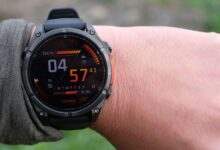
Wearable devices have benefited from that change. Smartwatches and smartbands now help users monitor calories burned, heart rate, blood oxygen levels, and sleep quality through data-driven tracking.
Home technology has followed the same direction. Smart lighting, remote-controlled air purifiers, connected kitchen devices, and other Internet of Things products are increasingly used to make homes more efficient in crowded cities.
Security and convenience have become central concerns as well. Robot surveillance cameras and remote lighting control reflect a demand for practical smart-home systems that can keep up with urban routines.
Active Lifestyles Create New Device Needs
City life has also become more active in visible ways. Cycling, running, and urban outdoor activities have driven demand for action cameras, bone-conduction wireless earbuds, and rugged devices built for tougher use.
In this environment, purchase decisions are rarely based on a single function. Urban consumers are more likely to ask whether a device fits their routine, supports productivity, and improves everyday comfort.
Erajaya Group has responded by expanding beyond mobile phones into broader lifestyle lines. Its active lifestyle, beauty and wellness, and food and nourishment businesses show how technology retail is moving toward a wider set of daily needs.
The Next Phase of Urban Technology
Adaptation has become the defining rule for the industry. Companies can no longer expect consumers to adjust to the market; they must follow changes in behavior and anticipate what city users will want next.
The next wave is already taking shape through artificial intelligence, stronger environmental demands, and expectations for faster connectivity. Those shifts will continue to redefine what smart urban living looks like in the years ahead.
From pager-era habits and SMS to AI-powered routines, technology has consistently moved with the people who use it. In that long transition, the ability to stay relevant has become the most valuable advantage of all.