Feeling exhausted after a long motorcycle ride is often treated as a normal part of the trip. In many cases, the real cause is simpler: a riding posture that puts too much strain on the body.
That issue matters beyond comfort. When the body tires quickly, concentration can drop and the risk of an accident can rise.
Start With the Core Riding Position
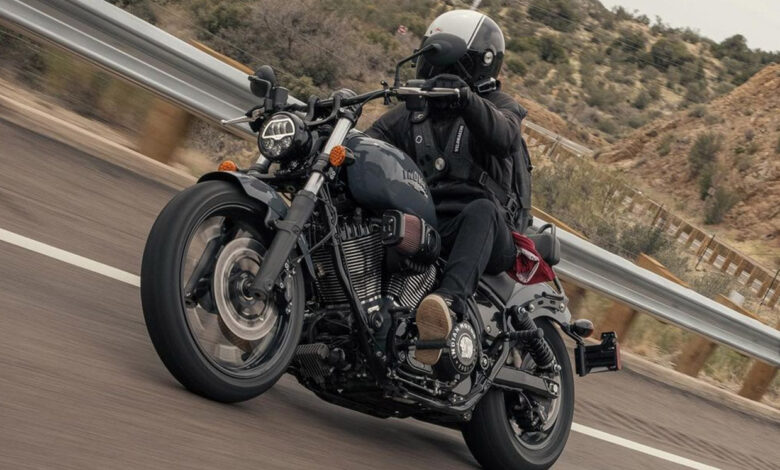
A comfortable long-distance ride begins with a neutral posture. The back should stay upright but relaxed, rather than stiff or slouched.
This position helps blood flow remain smooth and reduces pressure on the spine. It also keeps the neck and shoulders from becoming tense too quickly.
Riders are also advised to sit in the middle of the seat. That placement helps distribute body weight more evenly while the motorcycle is moving.
Sitting too far forward or too far back can reduce comfort and interfere with control. It can also make maneuvering less stable when the rider needs to change direction.
Hands, Elbows, and Grip Matter More Than Many Think
The hands play a major role in ergonomic riding, especially on longer trips. When holding the handlebars, the elbows should not be locked straight.
A slight bend acts as a natural shock absorber on uneven roads. It also gives the rider more freedom of movement during sudden maneuvers.
Riders should avoid gripping the throttle too tightly as well. A firm but relaxed hold helps reduce hand and wrist fatigue over time.
For quicker response in an emergency, two fingers can rest on the brake lever. That small habit can save valuable reaction time in dense traffic.
| Body Part | Recommended Position |
|---|---|
| Back | Upright and relaxed |
| Seat Position | Middle of the saddle |
| Elbows | slightly bent |
| Hands | Relaxed but controlled grip |
| Brake Hand | Two fingers ready on the lever |
Leg Position Also Affects Stability
Leg placement is often overlooked, even though it helps with balance and fatigue control. On underbone and sport motorcycles, the knees should sit slightly close to the tank or body of the bike.
That position makes the body feel more stable and can reduce wind pressure on the torso. As a result, the legs do not tire as quickly during continuous travel.
For scooter riders, the soles of the feet should rest flat on the footboard. This helps the body stay relaxed and maintain balance more naturally.
Hanging the feet or placing them in an unstable position should be avoided. That habit can reduce comfort and make the rider feel tired faster during the journey.
Small Adjustments and Rest Stops Still Needed
Even with the right posture, the body still needs small adjustments on long trips. Riders are encouraged to shift position periodically so pressure does not build up in one area.
These subtle changes can help ease soreness before it becomes fatigue. They should only be done when traffic and road conditions are safe.
Regular breaks remain just as important. A rest stop of about 15 to 20 minutes every 1.5 to 2 hours can help maintain stamina during longer rides.
During that pause, light stretching for the neck, back, hands, and legs can help keep the body fresh. With the right posture and scheduled rests, long motorcycle travel can feel more controlled, more comfortable, and safer.