


SIM card tablets are drawing more attention because they give users a more flexible way to stay connected for work, study, and entertainment. The larger screen also makes them easier to use than a smartphone when reading documents, joining online classes, or watching videos.
In the affordable segment, several tablets already offer cellular connectivity, large batteries, and enough performance for daily tasks. The five models below stand out for different reasons, from value pricing to bigger displays and stronger multimedia appeal.
Huawei MatePad SE 10.4 is positioned as a budget-friendly LTE tablet with a 10.4-inch IPS LCD display and a 2000 x 1200 pixel resolution. It runs on the Qualcomm Snapdragon 680 chipset, carries a 5,100 mAh battery, and uses HarmonyOS 3.0.
Its 4G LTE support keeps it useful beyond Wi-Fi coverage, while the high-resolution screen makes reading, document work, and video playback more comfortable. For users who want a relatively economical entry into connected tablet use, it is one of the simplest options to consider.
Lenovo Tab M10 Plus Gen 3 offers a larger display and stronger storage capacity. The tablet uses a 10.61-inch screen with 2000 x 1200 resolution and is powered by the MediaTek Helio G80 processor.
It includes a 7,700 mAh battery, 128GB of internal storage, and microSD expansion up to 1TB. Its slim and light design also makes it practical for work outside the home, lecture use, and travel.
Realme Pad 2 LTE is aimed at users who care most about visual comfort and smooth motion. It features an 11.5-inch display with a 120Hz refresh rate and brightness up to 450 nits.
The tablet also supports 4G LTE, while its 8,360 mAh battery and 33W fast charging are meant to keep it active through a full day. The smooth panel helps with app switching, browsing, light gaming, and streaming content.
Poco Pad M1 takes a different route by emphasizing a large screen and a massive battery. It comes with a 12.1-inch 2.5K display, the Qualcomm Snapdragon 7s Gen 4 chipset, and a 12,000 mAh battery.
That combination makes it suitable for daily productivity, light photo editing, and long hours of entertainment such as films or series. For users who do not want to charge frequently, the battery capacity is one of its biggest advantages.
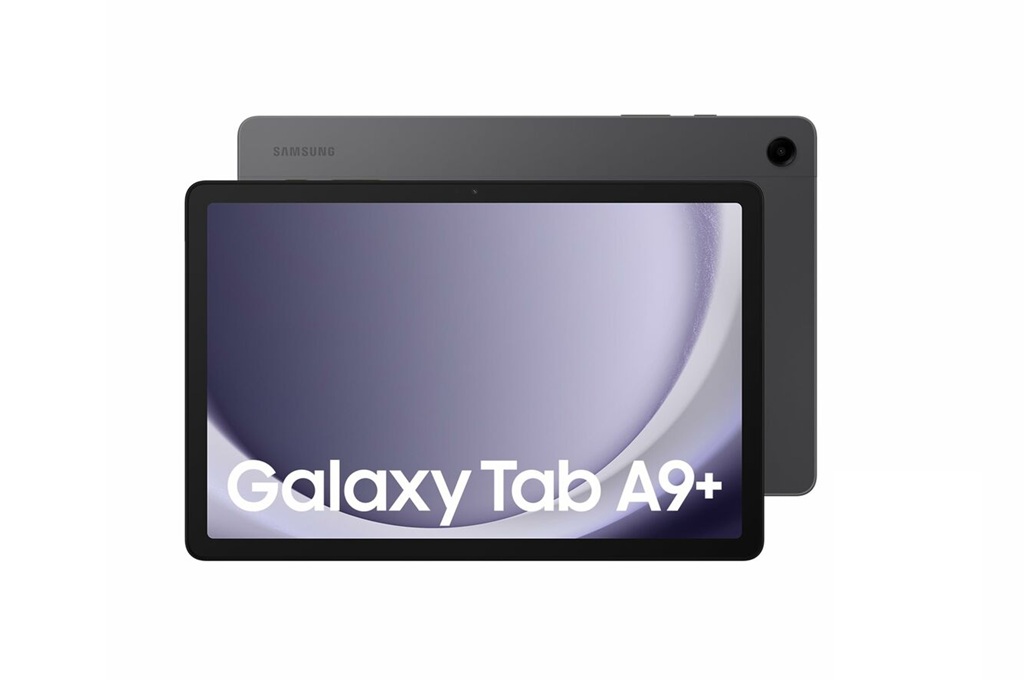
Samsung Galaxy Tab A9+ rounds out the list with a balanced feature set. It uses an 11-inch display with a 90Hz refresh rate, the Qualcomm Snapdragon 695 chipset, a 7,040 mAh battery, and 5G connectivity.
Samsung also equips it with Android 13 and Galaxy ecosystem productivity features. Split-screen support helps users run two apps at once, while the 90Hz panel keeps navigation smoother for both work and entertainment.
Together, these tablets show that staying connected on the move does not have to depend on Wi-Fi alone. Huawei MatePad SE 10.4 suits the most budget-conscious buyers, Lenovo Tab M10 Plus Gen 3 stands out for storage, Realme Pad 2 LTE is strong for multimedia, Poco Pad M1 focuses on screen size and battery life, and Samsung Galaxy Tab A9+ delivers the most balanced package for everyday use.