Owners of older vehicles do not need to rush into the planned move to e-BPKB. Existing physical BPKB documents remain valid, and Korlantas Polri has made clear that replacement is not required in the near term.
The transition is being prepared in stages so the shift to a digital system does not disrupt service. Korlantas is aiming for all new vehicles in Indonesia to use e-BPKB by 2027, with simulations already underway since March 2025 for new four-wheel vehicles.
A physical book, but with digital security inside
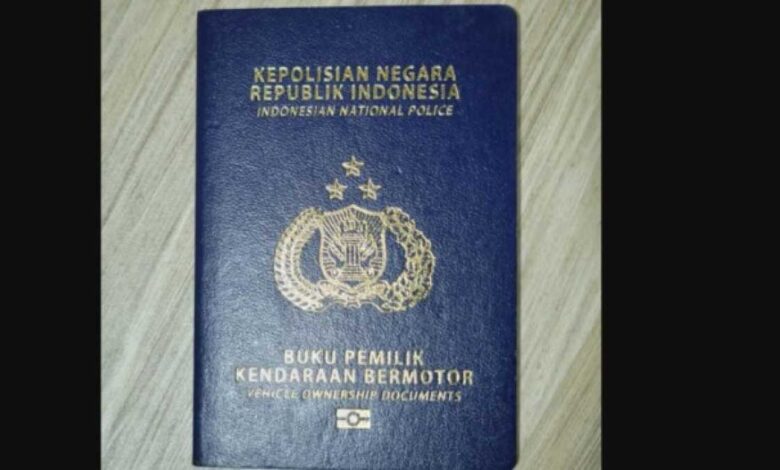
e-BPKB will still look like a book rather than a card. Inside the book, however, there is an RFID-based chip that stores vehicle history data in digital form.
The chip is connected in real time to Korlantas Polri’s single data system and the national financial ecosystem. That integration is designed to make it easier and safer for banks, leasing companies, and licensed pawn institutions to connect with the data they need.
Security and administration are both being reshaped
One of the main goals of the digital system is to reduce room for forged documents. Korlantas says the new e-BPKB is far harder to duplicate, which should improve security and lower criminal risk.
Administrative procedures are also expected to become shorter. Mutating a vehicle’s registration data, which can currently take weeks, is one of the clearest examples of the slowdown the new system is meant to fix.
With e-BPKB, that administrative mutation process is said to be completable in one working day. That shorter timeline is one of the strongest reasons Korlantas continues to push the digital BPKB transformation.
How older vehicles will be handled
For older vehicles, the change will happen naturally rather than all at once. e-BPKB issuance will follow when owners handle a name transfer or other follow-up administration.
That means holders of older BPKB books do not need to queue separately just to swap a document they already have. The migration model is designed to move gradually and only when administrative needs arise.
New vehicle buyers get a simpler process
For buyers of new vehicles from showrooms, e-BPKB can be handled at the nearest Samsat office. The process is also being prepared in a simpler form, with applicants only needing the required documents.
Those documents include the owner’s ID card, the original dealer invoice, the STNK, and a valid proof of sale and purchase receipt. With clearer requirements and a more integrated process, the service is expected to feel faster for new vehicle owners.
Kasubdit BPKB Ditregident Korlantas Polri Kombes Sumardji called the move a new milestone in public service. He said transparency and speed are the reasons Korlantas sees the e-BPKB transformation as important for strengthening public trust amid faster digital change.