


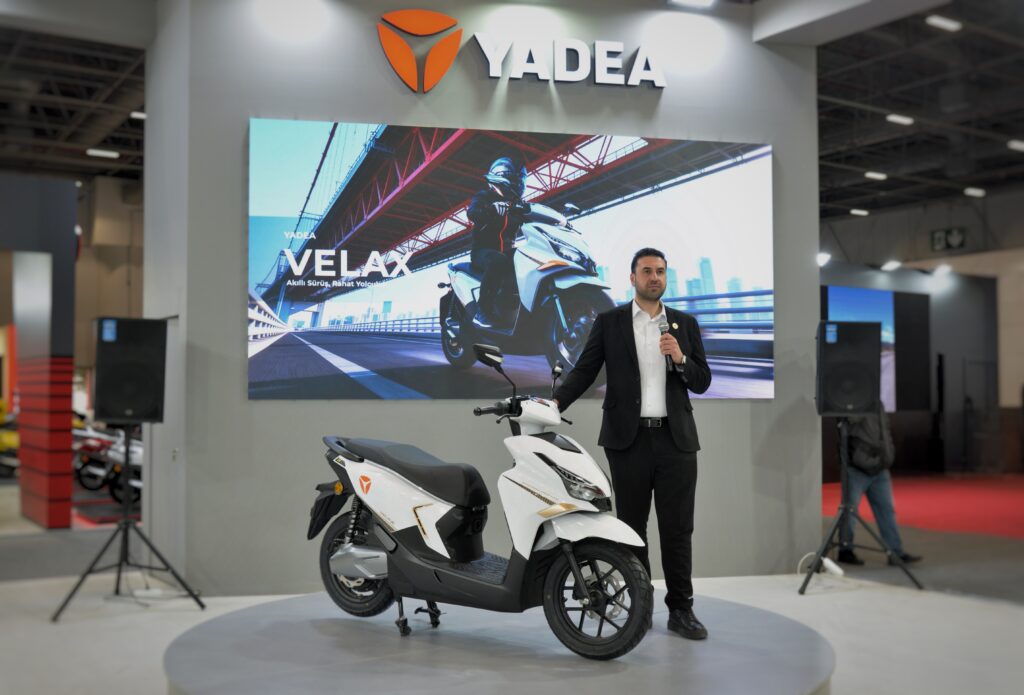
The motorbike market in June 2026 is being reshaped by a simple but powerful factor: entry prices are falling fast. With some electric models now starting at around Rp12 million, the lowest barrier to ownership is no longer far from commuter-bike budgets.
Polytron and Yadea have emerged as the clearest examples of that shift. Their current pricing strategies combine subsidies, dealer promotions, and battery ownership options that make electric two-wheelers more accessible to first-time buyers.
Polytron’s lower-cost path
Polytron Fox-200 in the Battery as a Service, or BaaS, scheme is one of the most affordable options available, starting at about Rp12.1 million. The model’s appeal rests on its low upfront cost, since buyers do not need to purchase the battery immediately.
That approach reduces the initial financial burden for consumers who want to switch to electric mobility without a large starting expense. For buyers who prefer full ownership, Polytron also offers the Fox-200 with a purchased battery, starting at about Rp21.1 million.
Polytron has also brought in the newer Fox-350, positioned as a replacement for the previous generation. In BaaS form, it starts at around Rp16.5 million and is presented as a stronger long-distance option for daily mobility.
Yadea’s pricing mix is equally aggressive
Yadea E8S Pro has attracted attention after receiving a government subsidy, bringing its price to around Rp16.9 million. Another budget-friendly choice is the T9, which is listed at roughly Rp14.5 million to Rp15 million depending on region and active promotions.
For buyers who want more features, Yadea has the Velax line. The standard version starts at about Rp19.8 million, while the premium version ranges from Rp22.8 million to Rp39.8 million.
Those differences come down to specification level, battery capacity, and the features included in each variant. The range gives Yadea room to address both value-focused riders and consumers who want a more advanced package.
Subsidies are only part of the story
Beyond government support, Yadea is also running its own subsidy program through automotive exhibitions and dealer networks. In some models, the additional discount can reach Rp10 million, making the final price even more competitive.
That extra incentive has become important as consumers pay closer attention to the first payment rather than the long-term promise of electric mobility. Dealer-led promotions are helping widen the appeal of electric motorcycles in more areas.
What the current price list shows
| Brand | Model | Estimated Price |
|---|---|---|
| Polytron | Fox-200 (BaaS/Battery Lease) | Starting at Rp12,100,000 |
| Polytron | Fox-200 (Battery Purchase) | Starting at Rp21,100,000 |
| Polytron | Fox-350 (BaaS/Battery Lease) | Starting at Rp16,500,000 |
| Yadea | E8S Pro | Rp16,900,000 |
| Yadea | T9 | Rp14,500,000 – Rp15,000,000 |
| Yadea | Velax Standard | Rp19,800,000 |
| Yadea | Velax Premium | Rp22,800,000 – Rp39,800,000 |
The comparison shows two different routes to affordability. Polytron focuses on battery scheme flexibility, while Yadea leans on subsidies, dealer discounts, and a wider spread of model variants.
For consumers, that means the electric-bike market is becoming easier to enter without locking into one formula. As more models compete below Rp20 million, the choice is shifting from whether to buy electric to which pricing structure fits best.