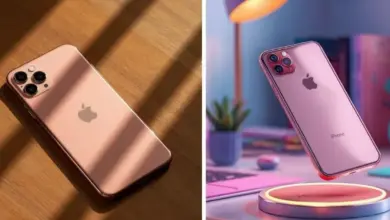
The iPhone 18 Pro Max is being positioned as Apple’s answer to a long-running complaint from some users: OLED flicker and the eye fatigue that can come with it. Instead of relying on a dramatic redesign, the rumored upgrade focuses on the part of the phone people interact with all day, the display.
Leaked specifications point to a new LTPO Plus panel designed to be both more power efficient and less prone to flicker. For users who spend long hours scrolling, streaming, or reading in low light, that combination could matter more than a cosmetic refresh.
A display upgrade aimed at comfort
The new LTPO Plus technology is said to allow finer control over pixels, letting the refresh rate drop during static content and climb again when the screen needs to feel fluid. That should help reduce battery drain while keeping motion smooth when browsing or gaming.
More importantly, the panel is also reported to reduce OLED flicker, which may be especially meaningful for people sensitive to screen flicker and eye strain. In a flagship market where many upgrades are incremental, that kind of practical change stands out.
According to the details circulating, the iPhone 18 Pro Max will use a 6.9-inch LTPO+ Super Retina XDR OLED display with ProMotion 120Hz support, peak brightness of up to 3,000 nits, and a more efficient backplane.
Battery gains are tied to several changes
Display efficiency is only one part of the wider power strategy. The phone is also expected to combine that panel with hardware and software optimizations meant to extend battery life without making the device harder to carry.
Leaked battery figures place capacity between 5,100 and 5,200 mAh, and the device is said to be slightly thicker at around 8.8 mm to make room for the larger cell. That setup is intended to help with demanding use cases such as multitasking, high-resolution video streaming, and heavy gaming.
A custom Apple C2 5G modem is also rumored to play a role in improving endurance by lowering power consumption. If accurate, that would add another layer to the efficiency push beyond the display itself.
New chip and memory targets heavier workloads
At the center of the device, Apple is said to be moving to the A20 Pro chip built on TSMC’s 2nm process. The chip is being described as the first mobile 2nm chip, with claimed gains of up to 15 percent in performance and 30 percent better power efficiency.
That silicon is expected to support not only faster everyday performance but also the system demands of the new display and heavier on-device computing. RAM is reportedly increasing to 12GB LPDDR6, a move linked to the growing requirements of Apple Intelligence features.
Storage options are also said to expand across 256GB, 512GB, 1TB, and 2TB. Together, those options suggest a device built for users who want both speed and serious room for photos, video, and apps.
More screen, less interruption
Another reported change is a smaller Dynamic Island, which is said to shrink by as much as 35 percent. The goal is to make the cutout less intrusive and free up more of the front display for apps, video, and reading.
The reduction is reportedly possible because some Face ID components are being moved under the display glass. Functionally, the feature remains in place for notifications, alerts, and live activities, but it should appear cleaner and less dominant.
Apple’s supply chain points to a quality-first approach
The panel upgrade is also tied to a notable shift in suppliers. Samsung and LG are reportedly set to supply the LTPO Plus panels, while BOE is not involved because of quality-control concerns.
That choice suggests Apple is treating consistency as seriously as raw specifications, especially for a screen that is meant to improve both comfort and efficiency. In this category, stable panel quality can be as important as headline numbers.
Other rumored upgrades include a 48MP Fusion main camera with a variable aperture from f/1.6 to f/4.0, a 48MP ultrawide camera with macro support, and a 48MP periscope telephoto lens with 5x or 8x optical zoom. The front camera is also tipped to rise to 24MP for cleaner FaceTime and video calls.
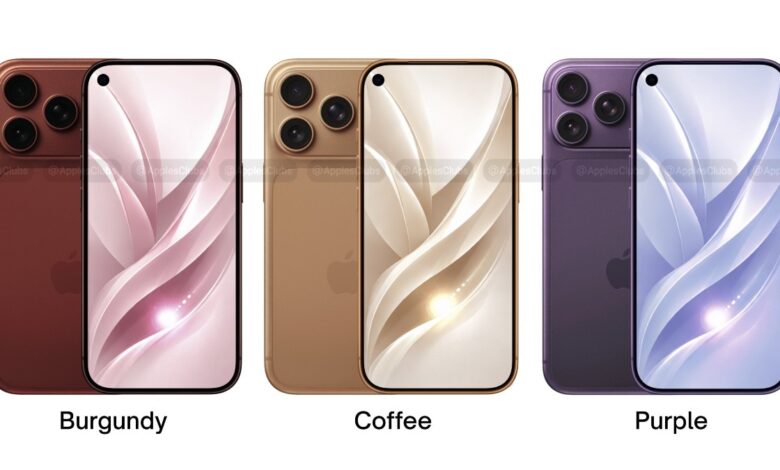
Connectivity is said to include Wi‑Fi 7, Bluetooth 6.0, and full satellite support through NR-NTN, with that satellite function expanding beyond Emergency SOS to maps and third-party apps. The phone is also rumored to launch with iOS 27 and color options such as Dark Cherry, Light Blue, Dark Gray, and Silver.
All of those details remain unconfirmed, and the expected launch window is still September 2026. For now, the most notable story is that Apple’s next Pro Max may try to win attention not with a radical redesign, but by solving one of the most persistent complaints about OLED phones.