


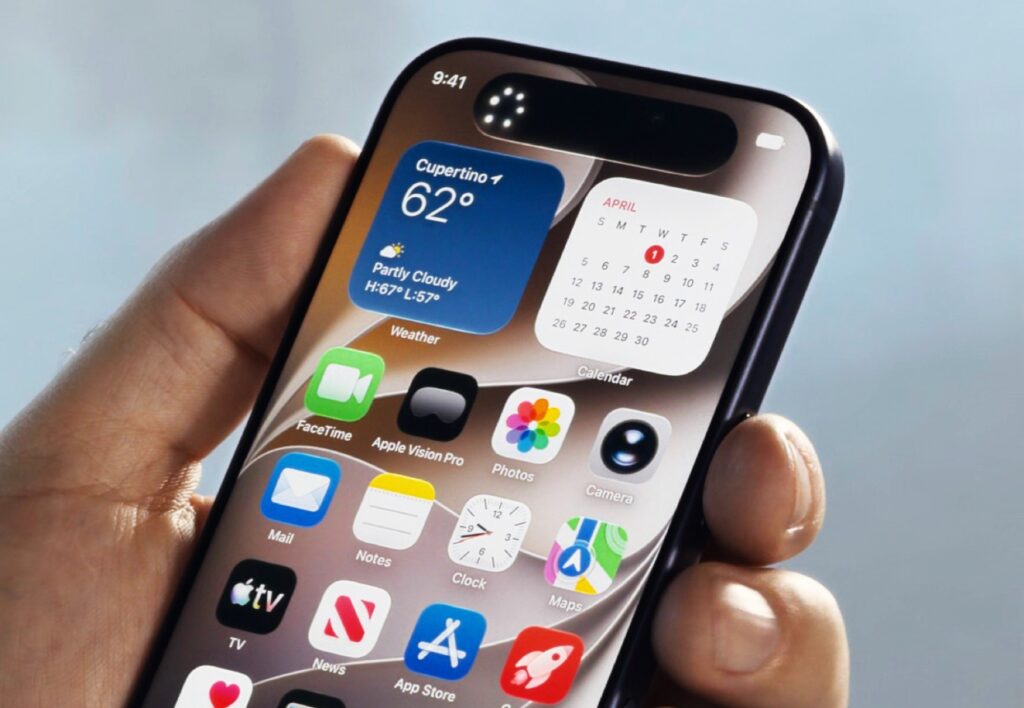
The biggest surprise from iOS 27 is not that older iPhones are being left behind. It is that the iPhone 11 is still set to receive the update, even as Apple draws a hard line around its newest AI features.
That split matters because it separates system support from feature access. A device can remain eligible for the latest software without being able to run Apple Intelligence improvements, and iOS 27 makes that distinction more visible than before.
Two Different Levels of Support
Apple is said to be bringing a more advanced Siri and Apple Intelligence to iOS 27, with the update drawing attention after its WWDC 2026 announcement. The headline features, however, will not reach every compatible iPhone.
According to the information shared, the improved Apple Intelligence experience will be available only on iPhone 15 Pro and later models. That means the standard iPhone 15 and iPhone 15 Plus are also excluded from the new AI layer.
For iPhone 11 owners, the message is more reassuring. Their phones are still included in the iOS 27 rollout, which means the device has not been cut off from Apple’s next major software cycle.
What the iPhone 11 Still Gets
Even without Apple Intelligence improvements, the iPhone 11 is expected to receive the core iOS 27 experience. That includes the continued use of the liquid glass design that remains part of the latest version.
The interface is also said to feel smoother, with Apple claiming faster performance and less lag than before. For many users, those changes may matter more in daily use than AI features that are not central to every task.
The update also pushes back against the idea that the A13 Bionic generation is already out of support. At least for this release cycle, the iPhone 11 remains in the group that can move forward with Apple’s newest software.
Photo Tools Get the Big AI Push
The most talked-about AI changes in iOS 27 appear to center on photo handling. One of the standout additions is called Spatial Reframing, which lets users rework the angle of an already captured photo and give it a more 3D-like effect.
The feature is not limited to fresh images. Users are also said to be able to reframing older photos and even extract certain elements from a shot, widening the way existing pictures can be edited.
Object removal is also described as cleaner in the new version. That upgrade places photography among the areas most visibly changed by Apple’s Apple Intelligence development.
Release Timing to Watch
For users who want to try the software early, the public beta of iOS 27 is expected in July. Beta access usually attracts people who want to test new features before the final release reaches a wider audience.
The official rollout is scheduled for September, alongside the arrival of the iPhone 18 Pro. That timeline gives users time to observe how the beta behaves before deciding when to install the finished version.
For iPhone 11 owners, that window may be especially useful. It offers a chance to see how much of the new iOS experience matters in practice, even without access to the AI features reserved for newer Pro models.
Why the Update Still Matters
Software support often shapes how long an iPhone can remain in use, and iOS 27 shows Apple still willing to keep older hardware in the update path. At the same time, the company is clearly reserving its most advanced AI tools for higher-end devices.
That approach leaves the iPhone 11 in a familiar middle ground. It stays relevant for system updates and interface improvements, but it does not join the top tier of Apple’s AI push.
For users weighing whether to keep an older device or move to a newer one, that gap is likely to be the key takeaway from iOS 27. The update preserves support for the iPhone 11, while the most visible new technology remains tied to the iPhone 15 Pro line and above.