The economics of iPhone theft are starting to change. London police say Apple’s tightened security is making stolen devices much harder to reactivate and resell, cutting into the main profit motive behind phone snatching.
That matters because resale value is what has long kept smartphone theft lucrative. When a stolen iPhone can no longer be reset and put back on the market, its black market price falls sharply, and the incentive to steal one weakens with it.
Why the resale channel is shrinking
The Metropolitan Police said it is now sharing data with Apple to better understand what happens after a device is stolen. The focus is on whether stolen phones can still be switched back on for reuse and how to reduce their value in the illegal resale chain.
Met Police Commissioner Sir Mark Rowley said early data suggests only a small number of stolen iPhones are now being successfully reactivated, compared with a few months ago. He said Apple believes it has closed a major loophole that previously allowed thieves to perform a factory reset and sell the handset as a working phone, often overseas.
Rowley argued that once a stolen phone cannot be reactivated, its value collapses. In that scenario, the business case for stealing the device begins to fall apart.
The feature changing the equation
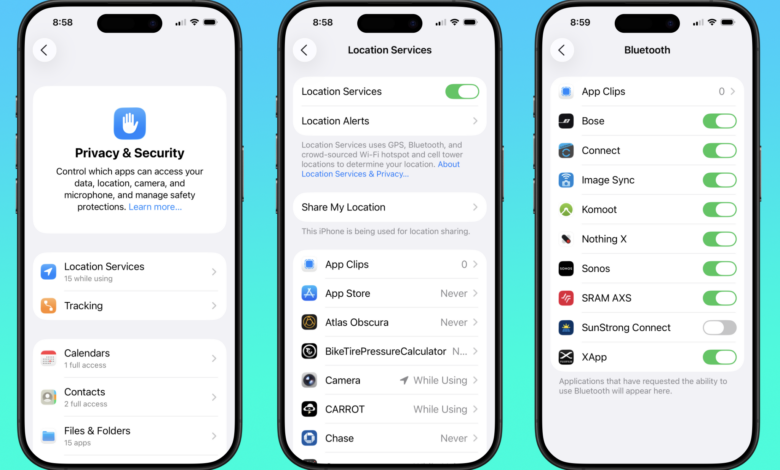
A key part of that shift is Apple’s Stolen Device Protection feature, which was recently turned on by default in iOS 26.4. The system is designed to stop thieves from immediately taking control of an iPhone after it is taken.
When an iPhone is away from familiar locations such as the owner’s home or workplace, the device adds extra security checks before important actions can be completed. Those actions include changing the Apple Account password, removing Face ID or Touch ID, turning off Find My, erasing the device, and altering core security settings.
In many cases, the system also introduces a delay and requires additional authentication before the change is allowed. That gives owners valuable time to mark the phone as lost and secure their account before the thief can wipe it and prepare it for resale.
Signs the crackdown is working
Police say the impact is already visible in crime figures. Phone-related theft fell 18 percent between June 2025 and May 2026 compared with the previous year.
Authorities said the decline is not driven by technology alone, as enforcement efforts also played a role. Still, they считают stronger device protection is helping reduce the appeal of smartphone theft.
The issue has long been a global problem because stolen phones are often exported and sold again after being reset. High international demand has kept smartphones valuable even after they leave the hands of their original owners.
Apple’s approach aims to break that cycle by making reactivation far more difficult. Instead of simply making theft harder to track after the fact, the company is targeting the resale value that sustains the crime in the first place.
For users, the change offers a better chance to protect accounts after a device is lost or stolen. For thieves, a stolen iPhone that cannot be brought back to life is becoming a far less attractive product to move on the market.