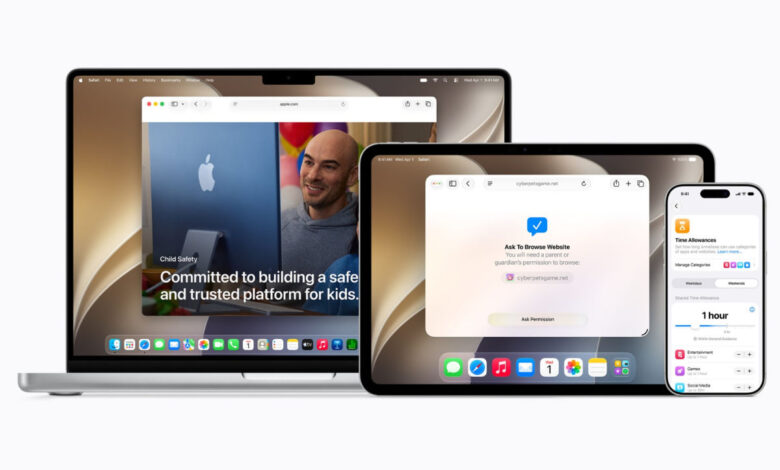
Apple used WWDC 2026 to highlight a refreshed Screen Time system built around simpler controls and broader parental oversight. The update is meant to make it easier for families to manage how children use Apple devices.
Even with the new presentation, the reaction from longtime users has been cautious. Many parents still see the feature as useful, but not yet strong enough to solve the frustrations that have followed Screen Time for years.
More Guided Browsing and Clearer Limits
One of the most notable additions is “Ask to Browse,” a feature that gives parents more control over how children access the internet. Apple also introduced clearer guidance for screen-time usage, helping families set device limits based on a child’s age.
The company said the redesigned interface is intended to make Screen Time feel less complicated. That approach reflects Apple’s effort to turn a familiar tool into something that is easier to understand and manage in daily use.
The Core Complaints Have Not Disappeared
According to The Verge, many experienced users viewed the new features as refinements rather than a major shift. The concern is that Apple has improved the presentation, but not the underlying reliability of the system.
Parents who rely on Screen Time still report inconsistent settings and synchronization issues across devices. Those problems continue to limit confidence in a tool that is supposed to reduce stress, not create more of it.
Another repeated complaint is the need to keep updating access codes. For many families, that turns Screen Time into an ongoing maintenance task instead of a simple guardrail.
Apple Is Responding to Wider Pressure
The emphasis on parental controls at WWDC 2026 also reflects pressure across the tech industry. Apple, Meta, and Google have all faced growing scrutiny over child safety in digital environments.
Lawsuits, regulatory investigations, and criticism from child-safety advocates have pushed technology companies to show stronger commitments. Apple’s Screen Time update fits that broader effort, signaling support for children and teenagers within its ecosystem.
Still, many parents are now looking beyond screen-time limits alone. They want systems that are smarter, more flexible, and easier to use when tracking usage patterns and the kinds of content children access.
That is why Screen Time remains in a difficult position. Apple has made it look cleaner and added new controls, but many families are still waiting for a version that feels genuinely effortless and dependable.