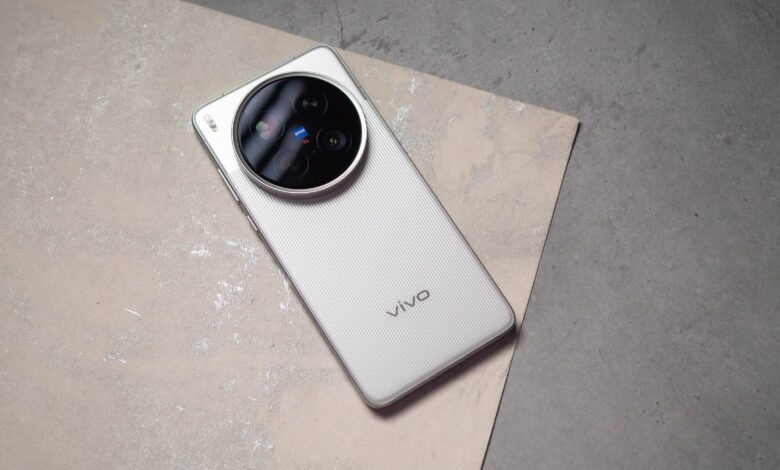
Vivo X200 Ultra is shaping up as a flagship that puts photography at the center of everything. The most eye-catching detail from the latest leaks is not the premium design, but the oversized rear camera module built around a massive periscope sensor.
That approach makes the device stand out immediately in a crowded flagship market. Vivo appears to be betting that a serious camera setup will be the main reason people pay attention to this phone ahead of its expected June 2026 launch.
A 200MP periscope built for distance
The headline feature is the 200MP telephoto periscope camera, which uses the Samsung ISOCELL HP9 sensor in a 1/1.4-inch format. That is unusually large for a smartphone telephoto camera and should help the phone capture more detail from far away subjects.
Vivo pairs that sensor with an 85mm lens and 3.7x optical zoom. The setup is aimed at delivering strong image quality while keeping zoom performance practical across different shooting situations.
The telephoto unit also includes CIPA 5.0 OIS, which is designed to reduce shake during both photos and video recording. For a camera-focused phone, that stabilization layer is one of the most important supporting features.
Three rear cameras, one consistent color profile
The main camera is no less ambitious. Vivo uses a 50MP Sony LYT-818 sensor in a 1/1.28-inch size, matched with a 35mm lens and an f/1.69 aperture.
Optical Image Stabilization is included to keep images sharp and steady. The ultrawide camera follows the same high-end formula, using another 50MP Sony LYT-818 sensor with a 14mm lens, an f/2.0 aperture, and OIS.
One of the more useful details for creators is the promise of consistent color output across the lenses. That matters when switching between cameras in the middle of a shoot, especially for users who want a more unified look in their photos and videos.
Vivo’s collaboration with ZEISS remains part of the package as well. The partnership is meant to push the camera system closer to a professional imaging experience in a smartphone form factor.
Video, display, and performance round out the package
Video support is equally serious, with 4K 120 fps recording available across all rear cameras. That gives the phone a clear advantage for users who want slow-motion footage without giving up detail or flexibility.
Outside the camera system, the Vivo X200 Ultra uses a 6.82-inch LTPO AMOLED display with 2K resolution at 1440 x 3168 pixels. The micro-curved panel adds a premium look, while the 120Hz refresh rate should keep everyday navigation smooth.
Performance is handled by the Snapdragon 8 Elite built on a 3nm process. Vivo also adds the vivo VS1 and V3+ imaging chips to support both photography and videography workloads.
Memory and storage are positioned at the top end too, with LPDDR5X RAM up to 16GB and UFS 4.1 storage up to 1TB. That combination should be suitable for gaming, editing, and heavy multitasking.
Battery, durability, and weight
The phone carries a 6000 mAh battery, backed by 90W fast charging and 40W wireless charging. That battery size should help support the camera hardware and other flagship features through a full day of use.
Durability is another important part of the package, with IP68 and IP69 certification for protection against dust and water exposure. Vivo has also kept the design premium rather than lightweight, with the device reportedly weighing between 229 and 232 grams.
For a phone with a large camera module, a 6000 mAh battery, and flagship-class hardware, that weight range is understandable. The broader picture is clear: Vivo X200 Ultra is being prepared as a camera-first smartphone with enough premium hardware to compete at the very top end.
If the leaked design and specifications prove accurate, the device could become one of the most closely watched launches in June 2026. The combination of a 200MP periscope camera, dual 50MP support cameras, Snapdragon 8 Elite, and a 2K LTPO AMOLED display gives it a strong identity before it even reaches the market.