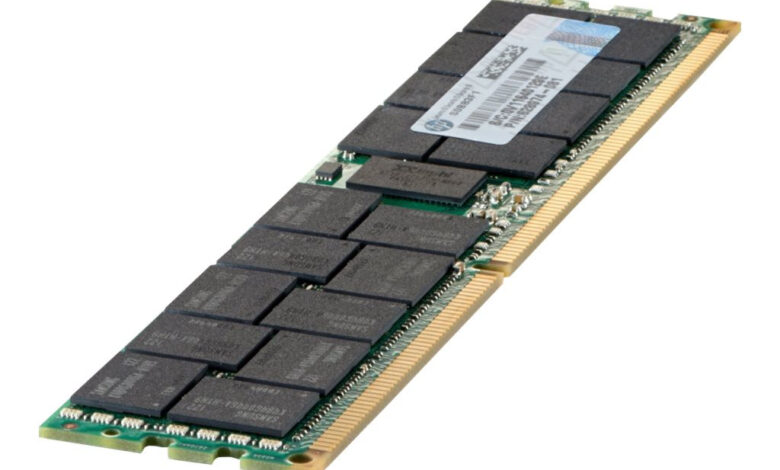
The global RAM shortage driven by AI demand is no longer limited to the newest memory standards. It is now reaching DDR3, a format long considered obsolete by mainstream PC buyers, and that has started to push prices higher again in 2026.
TrendForce says the supply pressure that first hit DDR5 and then spread to DDR4 has now extended to DDR3 as well. The effect is not as sharp as it has been for newer memory tiers, but it is still enough to disturb a segment that most people assumed had already moved far beyond its commercial peak.
Aging memory is being pulled up by a modern supply crisis
The shift has been visible for months. Videocardz, citing Board Channels, reported that DDR3 motherboard sales in China jumped 2-3x in January 2026, while TrendForce also described DDR3 supply as tight in the same period, especially for 2GB high-capacity modules.
Versalogic added to that picture in April, saying overall pricing remained at record highs for DDR3, DDR4, and DDR5. That is a striking development for DDR3, which has long been absent from the center of the consumer PC market.
For most home users, DDR3 disappeared from the upgrade conversation years ago. Newer platforms replaced it in mainstream builds, and attention shifted toward DDR4 and DDR5 long before the current supply squeeze began.
Windows 11 left many DDR3-era PCs behind
The decline in DDR3’s consumer relevance has also been reinforced by platform changes. Windows 10 reached end of support on 14 October 2025, and many DDR3-based PCs were caught in the wider transition that followed.
Windows 11 is not incompatible with DDR3 itself. The larger obstacle is the processors usually paired with DDR3, because most of them do not meet Windows 11 requirements, including TPM 2.0.
Intel’s 4th Gen “Haswell” Core chips on the LGA 1150 socket are widely seen as the last major consumer platform to support DDR3, and that platform dates back 13 years. Some users can bypass parts of the CPU and TPM checks, but most Windows owners still find that older systems no longer qualify for official support.
Who still needs DDR3 in 2026
Even with shrinking consumer demand, DDR3 has not disappeared from the market. Industrial equipment, medical devices, networking systems, and other commercial hardware still rely on it, often in systems that do not need Windows 11 compatibility at all.
Many of those systems are not connected to the internet, but they still require DDR3 to keep operating. With production reduced and supply chains growing more sensitive, even a small amount of extra demand from consumers can add pressure to pricing.
DDR4 remains a more practical option for many users in 2026 because it is still supported by a wide range of CPUs and motherboards. But DDR4 has also become expensive for some buyers, which can push DDR3 back into view as a last-resort option when newer stock becomes harder to justify.
DDR3 is no longer being made in large volumes, and that is the core reason it continues to survive in the market. Its staying power is driven less by nostalgia than by industrial need and the downstream effects of a memory shortage that began at the top of the AI hardware stack.