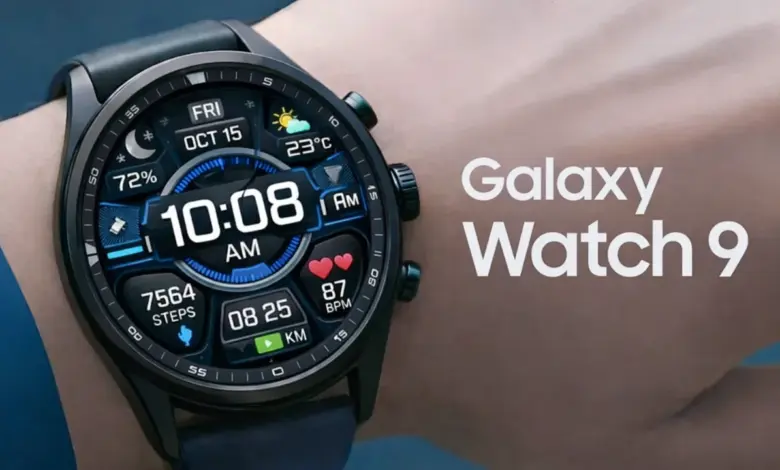
Samsung Galaxy Watch 9 is drawing attention for one reason above all others: the possibility of non-invasive blood sugar monitoring from the wrist. If that capability reaches consumers, it could shift a smartwatch from a convenience accessory into a daily health tool with far broader relevance.
The feature at the center of the discussion is glucose trend tracking without needles. The system is said to rely on next-generation optical sensors combined with AI to interpret biological data and present patterns rather than a medical diagnosis.
A smartwatch that watches more than steps
The appeal goes beyond glucose monitoring alone. Samsung is reportedly preparing deeper integration with Samsung Health so that multiple health metrics can live in one dashboard.
That setup would bring together activity history, sleep patterns, heart rate, and long-term health trends. For users, it could make ongoing health tracking more practical and easier to review over time.
AI is also expected to play a larger role in interpreting daily health data. Galaxy Watch 9 is said to generate a readiness score based on sleep quality, stress levels, physical activity, and heart rate.
Those signals would then feed into recommendations meant to better match a user’s condition on a given day. In effect, the watch would move closer to helping with everyday decisions rather than simply recording measurements.
Health tracking could become more detailed
Sleep detection is also said to be part of the broader package, including apnea detection. That would make the health side of the device more comprehensive for users who want more than basic fitness tracking.
On the fitness side, Samsung appears to be targeting active users as well. Runners are expected to get more detailed information on running technique, step balance, and overall fitness capacity.
The reported analysis includes VO2 Max and running posture data. For people training regularly, those metrics can offer a clearer view of progress and form.
Even casual users could benefit from that level of feedback. A more detailed fitness profile may help support routine exercise and healthier habits without requiring a separate device.
Hardware upgrades are part of the pitch
The rumored changes are not limited to health features. Galaxy Watch 9 is also said to use a new display generation with higher brightness, making it easier to read in direct sunlight.
Battery efficiency is another focus. The device is expected to use a 3-nanometer chipset designed to improve performance while reducing power consumption.
With that combination of a brighter screen and more efficient silicon, battery life is reportedly projected at three to four days under normal use. That would matter because richer health features often come with heavier power demands.
In practical terms, the most notable points appear to be fourfold: non-invasive glucose sensing, Samsung Health integration, AI-based readiness scoring, and upgrades to the display, chipset, and battery.
Still, all of the details remain in the rumor stage. Samsung has not made an official announcement, so the information should be treated cautiously until the company confirms what will actually arrive.
Even so, the reaction around blood sugar tracking without needles shows how the market is changing. Buyers are increasingly looking for smartwatches that can deliver meaningful health insight directly from the wrist, not just timekeeping and notifications.