


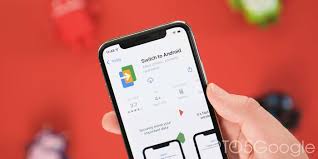
Switching from an iPhone to an Android device has long been held back by one thing: the hassle of moving data. Google is now trying to remove that barrier with an updated Android Switch experience that makes the transition much easier.
The new approach does not just focus on convenience. It also broadens what can be moved, so users can bring more of their setup with them when they change platforms.
Wireless transfer becomes the default-friendly option
One of the biggest changes is wireless transfer support without compromise. In earlier versions, Android Switch required an iPhone and an Android phone to be connected by USB cable before the transfer could begin.
With the updated process, users no longer need to rely on a cable to start moving their data. That change alone removes one of the most frustrating parts of switching phones, especially for people who want a faster setup.
Google says Android Switch is now integrated directly into both operating systems. That means users do not need to download a separate app just to begin the migration process.
Paul Dunlop, Product Lead for Onboarding, Settings, and Switching of Android at Google, said the integration makes the experience more practical from the very first step. The setup is designed to feel like a built-in part of getting a new device running.
More than contacts and photos now move across
The transfer package has also grown significantly. Google is now supporting passwords, passkeys, Wi‑Fi credentials, alarms, files and folders, call history, SMS, MMS, encrypted RCS conversations, calendar attachments, and Apple Notes attachments and labels.
It also includes wallpaper, home screen layout, app placement, and accessibility settings. That means a new Android phone can feel familiar almost immediately, instead of starting from a blank slate.
Some of those data types were already supported before, but Google says the latest update improves reliability as well. The goal is not only to move more information, but to make the migration process more dependable.
Account access and eSIM setup are also smoother
The improved Android Switch experience can also move Google accounts between devices. In practice, that means users are signed in automatically without having to re-enter their password.
That detail may sound small, but it matters because login friction is one of the most common pain points after buying a new phone. Removing that extra step helps the device become usable sooner.
Google also added support for transferring eSIMs from an iPhone to a new Android device during initial setup. That extends the migration beyond data and into cellular connectivity, which is essential for everyday use.
At the same time, Android Switch prepares RCS in the background. Once setup is complete, the new phone is expected to be ready for use with minimal delay.
Google is building a broader path for cross-platform migration
Beyond the device setup flow itself, Google says it has developed a new API that app developers can use to support cross-platform migration. The idea is to help apps move their own data between iPhone and Android more smoothly.
If adopted widely, the effort could reduce one of the biggest sources of friction in platform switching. Data trapped inside apps has often been harder to bring over than the phone’s core content.
For now, the improved Android Switch experience is being rolled out to a small percentage of Android 17 devices. Google says availability will expand over the coming weeks and months.
That gradual rollout means not every Android 17 user will receive it at the same time. Even so, the direction is clear: Google wants moving from iPhone to Android to feel less like a technical project and more like a normal device upgrade.