


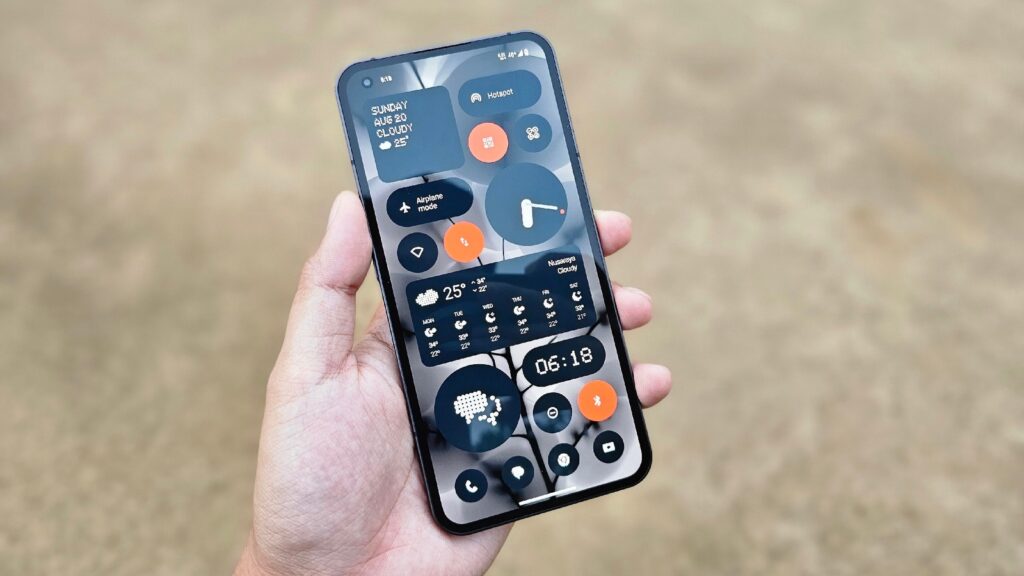
For many Android users, the most indispensable widget is still the simplest one. A recent Android Authority poll found that the Weather widget dominates the homescreen with 46% of nearly 3,200 votes, far ahead of every other option.
The result highlights a clear preference for quick, at-a-glance information. Rather than opening an app and checking manually, many users want the day’s conditions visible the moment they unlock their phones.
Why weather remains the default choice
Weather information changes often and affects daily planning, which makes it one of the most practical widgets to keep on a home screen. That convenience is part of why the category continues to lead even as many users become more selective about what they place on Android homescreens.
Android’s widget system has long been one of its defining strengths, offering shortcuts, controls, and live information without forcing users into an app. Even so, the latest polling suggests that most people now want fewer widgets, not more, as long as the right one stays in place.
There is also a visual appeal that helps the category endure. Some weather widgets are designed to blend neatly with Android interfaces, including options such as Weather Master, Breezy Weather, and Pixel Weather.
Calendar and Google Search follow behind
The second most popular choice in the poll was Calendar, selected by 25.9% of respondents. That result points to the continued importance of schedules, reminders, and daily planning for Android users who rely on their phones for productivity.
Google Search came next with 22.9% of the vote. While it may seem like a basic tool, many users still depend on the search widget every day, and its strong showing helps explain why Google keeps the search bar prominent in the Pixel Launcher.
| Widget Category | Poll Share |
|---|---|
| Weather | 46% |
| Calendar | 25.9% |
| Google Search | 22.9% |
| Other widgets | 5.5% |
Other preferences show how personal widget use has become
About 5.5% of voters chose other widgets entirely, and the comment section showed how varied those choices can be. Names mentioned included Todoist, Duolingo, Musicolet, family contact icons, and Gemini.
That range suggests widgets now serve highly specific routines, from productivity and learning to communication and music. A few users also said they prefer not to use widgets at all, underscoring how flexible Android remains for people who want a clean or heavily customized homescreen.
Android Authority also noted that some users have changed how they use widgets over time. A homescreen once crowded with items such as history lessons, sun and moon times, daily words, and countdowns may now be reduced to a much simpler setup.
Android’s widget culture is still alive, but more selective
Even among editors at Android Authority, widgets remain part of daily phone use, though the mix can differ from person to person. Pankil previously shared a list of his own favorites, including Brave, Gemini, and Google Maps.
The broader takeaway is that widgets do not need to be complex to stay relevant. A single useful glance at the weather is often enough to earn permanent space on an Android home screen, and that seems to be exactly what most users still value.
For Android’s ecosystem, the poll reinforces one simple point: live information still matters, especially when it saves time. As long as a widget can deliver something useful instantly, it will remain one of Android’s most practical features.