


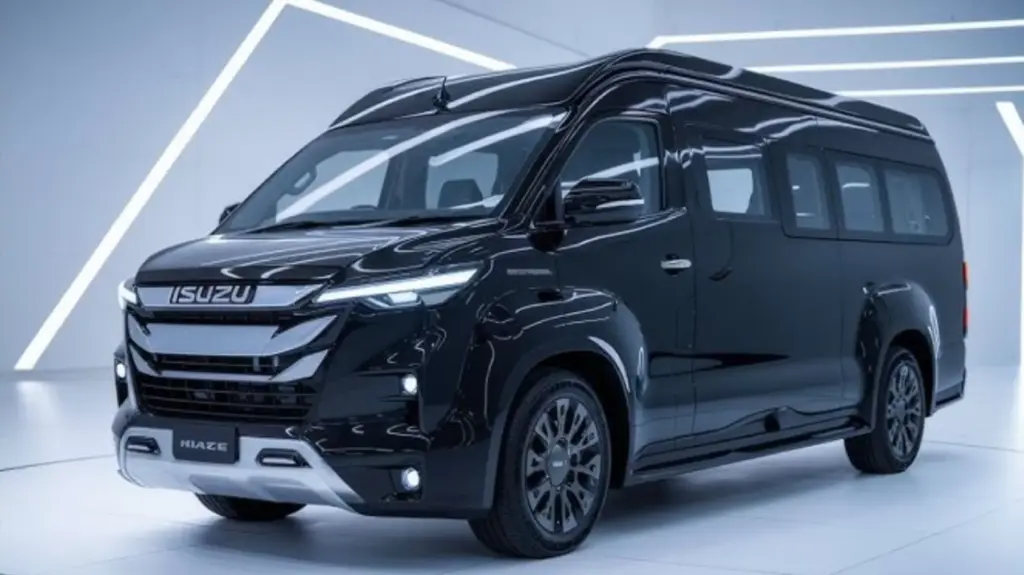
Isuzu 9-Seater 2026 is aimed squarely at operators who need a vehicle that can carry more passengers while keeping running costs under control. The model combines 9 seats, a diesel turbo common rail engine, and a practical cabin layout designed for commercial use.
That formula matters in a transport market where fuel spending can quickly erode daily profit. For shuttle services, travel operators, and other passenger businesses, the balance between capacity and efficiency often determines whether an asset stays productive.
Built for commercial passengers, not just family use
Isuzu does not position this model as an ordinary family MPV. The focus is on businesses that depend on endurance, frequent use, and a cabin that can keep working day after day without creating high ownership costs.
The 9-seat configuration is the headline advantage. It fits a range of operations, including intercity travel, airport and hotel shuttles, employee transport, and school or institutional use.
More seats also mean more earning potential per trip. For operators trying to keep fares competitive without sacrificing margin, that additional capacity can make a clear difference.
Comfort still receives attention
Even with its business-first character, the cabin is said to be arranged with proportional legroom and headroom for medium to long trips. That approach is important because passenger comfort affects repeat usage and service ratings.
Isuzu also equips the vehicle with double blower air conditioning. The system is intended to distribute air more evenly to the rear rows, which is especially relevant in hot climates such as Indonesia.
Diesel power remains the efficiency anchor
At the heart of the vehicle is a diesel turbo common rail engine. This type of powertrain is known for efficiency and strong low-end torque, making it suitable for a fully loaded vehicle that works on a regular basis.
Isuzu diesel engines have long been associated with low fuel consumption, strong torque, durability, and long service life. That reputation continues to support the brand’s standing in Indonesia’s commercial vehicle segment.
In daily operations, fuel savings directly affect the bottom line. When diesel consumption stays lower, operators gain more room to protect profit.
The low-end torque also helps in practical use, especially on routes that involve frequent stops and starts or medium-distance travel with a full passenger load. The engine is meant to handle that work without feeling easily strained.
Designed for heavy use and easier upkeep
The interior follows a functional approach as well. Materials are selected to be easy to clean and resistant to wear, helping the vehicle stay ready for intensive use.
That matters in commercial fleets, where durability and simple maintenance can reduce the chance of operational disruption over time. A vehicle that is easier to care for can lower ownership pressure in the long run.
Isuzu is therefore selling more than seating capacity. The model is also built to keep maintenance practical and operating costs under control through a cabin layout suited to commercial work.
Flexible enough for more than passenger transport
The vehicle’s utility is not limited to people-moving roles. Its seating arrangement can also be adapted for catering work, light logistics distribution, project fleets, and institutional or community transport.
That flexibility helps businesses maximize the value of one asset. If passenger demand slows, the vehicle can still be reassigned to other productive tasks.
In that sense, Isuzu 9-Seater 2026 reflects a rational business choice. The combination of 9 seats, a diesel turbo common rail engine, a comfortable cabin, and controlled operating costs gives it a clear place as a work-ready asset for daily commercial use.