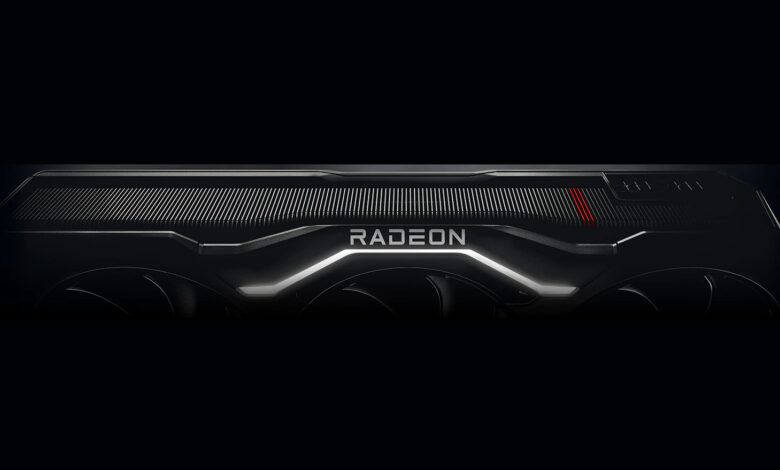
AMD has given Radeon RX 7000 series owners another reason to hold onto their current cards a little longer. With the Adrenaline Edition 26.6.2 driver for Windows, the company is bringing FSR Upscaling 4.1 to the lineup.
The update matters because it is not limited to a small number of new releases. AMD says the technology can improve more than 300 supported games while also reducing visual artifacts, which can make older titles feel much more playable again.
What Radeon RX 7000 users get from the update
AMD says FSR 4.1 is optimized to run across “hundreds of configurations,” covering everything from the Radeon 7600 to the flagship 7900 XTX. That gives the feature a broad reach across the RDNA 3 range.
Even so, the update does not unlock the full Radeon roadmap. FSR Redstone features such as AI frame generation and ray regeneration remain exclusive to RDNA 4 GPUs, including the RX 9000 series.
A practical boost, not a full feature transfer
This split makes the update especially relevant for owners of older hardware. They do not get every new capability, but they do receive an upgrade that can be used right away on the cards already installed in their systems.
For many buyers, that is a more useful kind of progress than a headline feature list. It extends the life of hardware that is still actively in use, instead of turning it obsolete the moment a newer generation appears.
Why the timing also matters outside gaming PCs
The driver launch arrives as Valve begins taking pre-orders for the Steam Machine. The living-room PC uses custom RDNA 3 graphics and runs on Linux-based SteamOS.
Valve wants the device to deliver 4K gaming at 60 frames per second, but it has also acknowledged that upscaling will be part of reaching that goal. That makes AMD’s latest FSR improvement potentially relevant well beyond standard desktop PCs.
AMD’s approach also has a wider market effect. With PC component prices, especially memory, remaining a concern, many gamers are weighing whether to buy a current card, keep what they have, or postpone the jump to a newer model.
In that environment, FSR 4.1 helps keep Radeon RX 7000 series cards competitive for longer. Budget GPUs may remain sensible for lighter games, while more cautious buyers can delay a replacement purchase and wait for the next RX 9000 series launch instead.
That is also where AMD’s strategy becomes clear: hardware already in the field still matters, even after a new generation arrives. For Radeon RX 7000 users, the benefit is immediate, practical, and available through a driver update rather than a costly upgrade.