


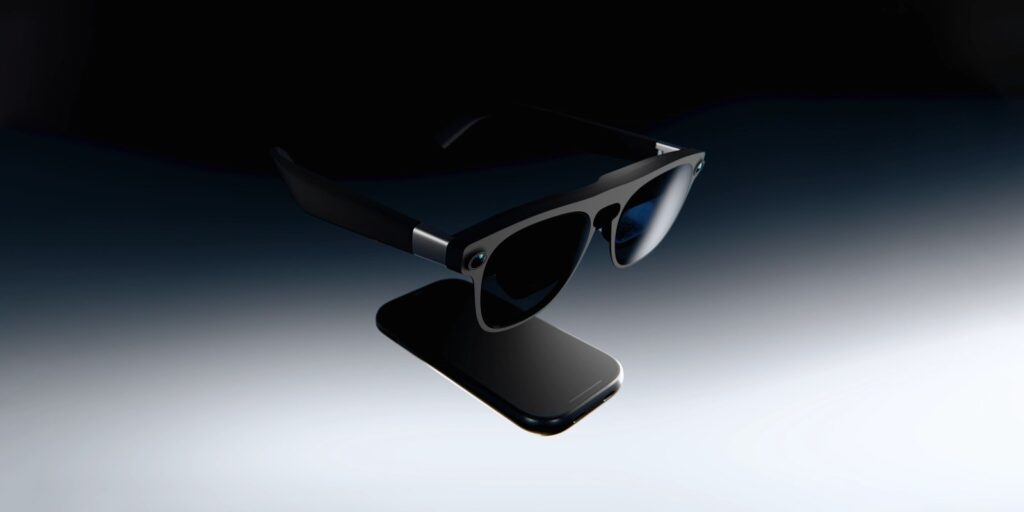
XREAL Aura is emerging as one of the most closely watched XR launches ahead of its planned fall 2026 release. The attention comes from a simple question: can a lightweight headset with a separated computing unit finally make XR practical for everyday use?
The device is positioned as more than another premium wearable. XREAL is targeting a product that could sit closer to a conventional display replacement, with Android XR, Google Gemini integration, and a design built around comfort rather than bulk.
A lightweight headset built for longer use
One of Aura’s biggest selling points is its reported weight of under 95 grams. That matters in a category where comfort has long been one of the biggest barriers to long sessions.
To keep the headset light, XREAL uses a split-compute design. The main processing load is moved away from the glasses and into an external “computing puck,” rather than being carried entirely on the face.
That puck is powered by the Qualcomm Snapdragon Reality Elite chipset, giving Aura a performance-focused architecture without forcing the glasses themselves to become thick or heavy. The trade-off is clear, however, because the glasses still depend on a cable connecting them to the puck.
| Key Aura Hardware Points | Details |
|---|---|
| Weight | Under 95 grams |
| Compute setup | Split compute with external puck |
| Chipset | Qualcomm Snapdragon Reality Elite |
| Connection | Tethered cable between glasses and puck |
Android XR and Gemini are the real differentiators
Aura runs on Android XR, Google’s platform for wearable computing. That gives the device a broader software base and makes it more relevant than many XR products that remain trapped in limited demo-style use cases.
Google Gemini is another major piece of the pitch. XREAL says the AI layer supports natural language interaction, context-aware assistance, and personalized recommendations.
In daily use, that combination is meant to make the transition between work, entertainment, and communication feel more seamless. The device is also described as supporting predictive analytics to help optimize routines, including suggesting the best time for productivity or leisure based on user habits.
Why XREAL thinks Aura can matter beyond XR enthusiasts
The larger goal is not just to sell a new headset. XREAL is presenting Aura as a tool that could replace a monitor, a tablet, and in some cases part of a smartphone’s role in specific scenarios.
That ambition is especially clear in work use cases. Aura is expected to support portable multi-monitor virtual setups, which could appeal to professionals who want a larger workspace without carrying physical screens.
For entertainment, the headset is meant to provide an immersive viewing experience that competes with traditional displays. For everyday tasks, the AI features are intended to reduce friction and help manage activity more efficiently.
Those goals make Aura one of the more important XR products to watch, not because it guarantees success, but because it brings together several of the industry’s most sought-after traits in one package.
Availability, pricing, and the remaining questions
XREAL plans to launch Aura in the United States, the United Kingdom, Canada, Japan, and South Korea first. Pre-orders are already open, with a refundable $99 deposit available, along with a Founder Priority Pass priced at $299 for earlier access and exclusive benefits.
The company is also capping the retail price at $1,500, which places Aura below many high-end XR headsets while still keeping it in premium territory. That pricing strategy may help the device look more approachable to mainstream buyers.
Still, several concerns remain unresolved. Battery life will matter because it will determine how practical the headset is outside short sessions, while the tethered cable could limit the freedom that wearable devices are supposed to deliver.
Developer support for Android XR will be another deciding factor. If the app ecosystem grows, Aura has a better chance of becoming a useful platform rather than a short-lived curiosity.
Competition will also be intense, with Google, Qualcomm, and Samsung all investing heavily in XR. XREAL will need to show that its lighter, more practical approach can deliver a better experience than the larger ambitions of its rivals.
That is why Aura stands out now. It is not just another hardware announcement, but a test of whether XR can become lighter, smarter, and more believable as a daily computing device without losing too much freedom along the way.