


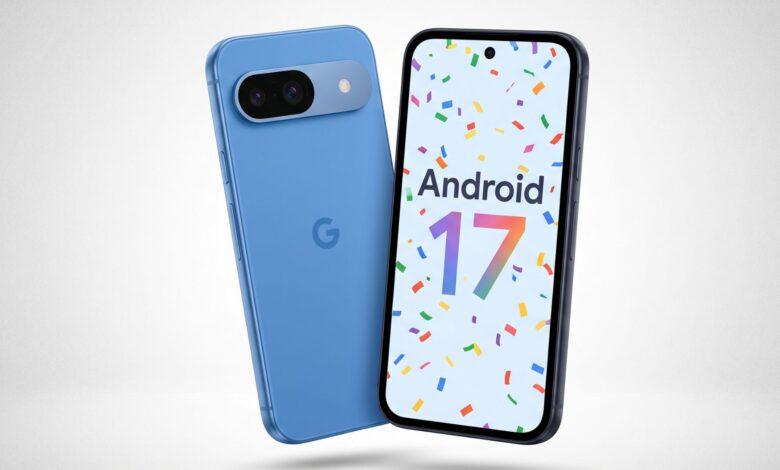
Google Pixel devices are once again the first to receive a major Android upgrade, and Android 17 is already rolling out in stages. For Pixel users, the update is notable not only because it arrives early, but because several of its changes are immediately visible in daily use.
The new release touches multitasking, screen recording, camera access, performance, and security. That combination makes Android 17 feel less like a background system refresh and more like a practical update for people who use their phones heavily throughout the day.
Which Pixel models are getting it first
Google is bringing Android 17 to a wide range of Pixel models, starting with the Pixel 10a, Pixel 10, Pixel 10 Pro, and Pixel 10 Pro XL. The rollout also covers the Pixel 9, 9 Pro, 9 Pro XL, 9 Pro Fold, as well as the Pixel 8, 8 Pro, 8a, Pixel 7, 7 Pro, 7a, and Pixel 6, 6 Pro, and 6a.
That broad support reinforces the Pixel line’s position as Google’s fastest path to the newest Android version. For users who want to try new features without waiting long, the update list is a meaningful advantage.
Multitasking becomes more flexible
One of the most noticeable changes in Android 17 is a more modern multitasking approach. Nearly every app can now be turned into a floating window.
That makes it easier to chat while browsing, watch a video while taking notes, or keep a map open without leaving the main app. The feature is especially useful on large-screen phones and foldables, where more than one app often needs to stay visible at once.
Built for creators who record on screen
Android 17 also adds Screen Reactions, a feature that lets users record the screen while showing the front camera at the same time. It is aimed at reaction videos, app tutorials, viral content reviews, and online presentations.
Until now, similar effects usually depended on third-party apps such as Instagram or TikTok. With Android 17, that workflow is available directly from the operating system.
Camera tools open up to more apps
Google is also updating the camera experience through Dynamic Camera Sessions, which is designed to make the camera open faster and feel more stable during use. The change also allows third-party apps to access Pixel camera features natively.
In practical terms, features such as Night Sight can now be used directly inside social media apps without first opening the native camera app. For creators, that can make content capture faster and less disruptive.
Performance and security get a lift
Beyond the visible features, Android 17 includes updates to Android Runtime, or ART, to make the system smarter about cache cleanup, RAM management, and background process handling.
The result should be a phone that feels more responsive, smoother during multitasking, more battery-efficient, and less prone to lag. Google is also strengthening biometric protection to reduce the risk of unauthorized access.
Those security improvements are meant to protect personal data, lower the risk of account theft, and block illegal access to smartphones. Combined with the performance changes, they give the update more everyday value than a simple visual refresh.
Wear OS 7 joins the wider Pixel ecosystem
Alongside Android 17, Google is also releasing Wear OS 7 for Pixel smartwatches. The update brings Live Updates tracking, more practical smart home controls, and better battery efficiency.
Google says Android 17 and Wear OS 7 will also gain support for Gemini Intelligence in the future. That points to a Pixel ecosystem that is becoming more tightly connected across phones and wearables.