The Ministry of Creative Economy has partnered with Coda to give Indonesian game developers wider access to international markets. The move is designed to make distribution and monetization simpler for local studios that want to reach players beyond national borders.
For many game makers, the hardest part of going global is not only getting the product seen, but also making it easy to pay. With an integrated platform already in place, developers do not need to build separate transaction systems for each market they want to enter.
Lowering the technical burden
According to Deputy Minister of Creative Economy Irene Umar, Coda creates a bigger opportunity for Indonesian-made games to grow on the global stage. She said the platform’s plug-and-play model allows games to connect directly to Coda without complex setup work.
That approach can be especially valuable for local developers looking to expand their business reach. Once a game is connected to Coda, it can tap into global markets through an existing system rather than starting from scratch in each country.
The practical benefit is clear for developers that want to move faster. Instead of building and maintaining separate payment infrastructure for every destination market, they can focus on the product itself and use a ready-made monetization channel.
Payment access has become a core advantage
The partnership also highlights how important digital monetization has become in the growth of creative industries. Distribution alone is no longer enough if users in different countries face friction at the point of payment.
In that context, an integrated payment system can become a competitive advantage. Irene noted that industry players will find it easier to reach international customers when supported by payment systems that can meet global market needs.
That matters because transactions are a critical point in the business model of digital products. A smooth checkout experience can help developers expand reach without making purchases unnecessarily complicated for users.
Why the collaboration matters for local competitiveness
In the games sector, expansion depends not only on product quality but also on the readiness of the surrounding ecosystem. Payment infrastructure is one of the components that can speed up the path for local games into a broader market.
The collaboration between the ministry and Coda shows a focus on practical tools rather than broad ambition alone. By emphasizing transaction infrastructure, the partnership aims to strengthen the competitiveness of Indonesian games where it matters most.
For creative businesses, that kind of support can make a difference between limited circulation and global growth. Access to a monetization platform is becoming an essential part of digital industry development.
A wider signal for the digital economy
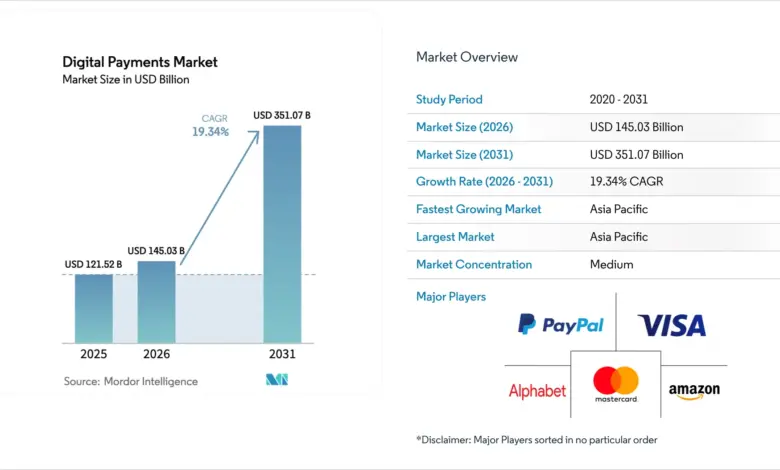
The shift also reflects the growing centrality of digital payment infrastructure in the digital economy. As cross-border transactions increase, the need for systems that are efficient, secure, and easy to use becomes even more important.
That is one reason payment technology continues to draw attention, including emerging approaches such as blockchain, which are increasingly viewed as part of the search for more transparent and efficient systems.
While this cooperation focuses on market access and transaction integration, it points to a broader change in how digital products compete. Creative products are now judged not only by their content, but also by how smoothly users can pay for them.
For the game market, that shift is significant. A well-connected payment system can help developers reach more users without adding unnecessary friction to the buying process.
The ministry’s collaboration with Coda suggests that international expansion for local games is now being approached as an infrastructure issue as much as a creative one. With a more direct route to global users, Indonesian developers may find it easier to turn local titles into products with wider international reach.