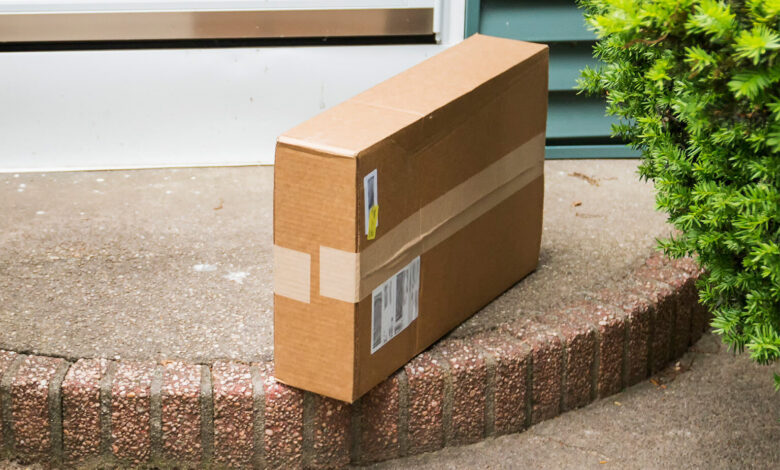
A high-end monitor order on Amazon turned into a costly dispute after the buyer received the wrong OLED panel inside the correct-looking box. Instead of the ASUS ROG Swift OLED PG27AQWP-W he ordered, the package contained a damaged ASUS ROG Strix OLED XG27AQDMG.
The case has drawn attention because the outer packaging appeared to match the purchase, even though the contents did not. For expensive electronics, that kind of mismatch can make the problem harder to spot until the box is opened.
A premium monitor replaced by a lower-spec panel
The buyer, posting on Reddit under the name ph9ntasy, said the monitor he ordered was the ASUS ROG Swift OLED PG27AQWP-W, a 26.5-inch OLED model with a 540Hz refresh rate at 1440p. What arrived instead was a broken ASUS ROG Strix OLED XG27AQDMG, which is a different OLED monitor with a 240Hz refresh rate.
That difference matters because the packaging can still look legitimate at a glance. A sealed box and matching shipping labels do not always reveal whether the item inside has been swapped.
Refund problems made the situation worse
The buyer said the monitor was meant to complete a newly built PC setup after ordering the rest of the peripherals. Instead of finishing the build, he opened the parcel and found a cracked screen that he had never ordered.
He also said he paid $368 to have the monitor shipped to his country and waited 15 days for delivery. After contacting Amazon, he was told that a refund would only be processed once the item was returned to a location in the United States.
According to the buyer, the return shipping cost would be about $600 and Amazon would not reimburse that amount. For international customers, that can make the refund process far more expensive than the original purchase itself.
Possible return swap issue
TweakTown reported the case and described it as another example of a high-value electronics order that may have been affected by a return swap. In that type of situation, a customer buys an expensive product, then returns a box containing a cheaper item or a damaged unit.
The returned item can then re-enter inventory and be sent to another buyer. That creates a serious weak point for premium hardware, where packaging may still appear valid even when the contents are not.
The buyer also said the order was placed directly through Amazon rather than through a third-party seller. That detail matters because many consumers assume a direct Amazon purchase offers stronger protection against receiving used, broken, or mismatched goods.
The incident also serves as a reminder for buyers of expensive electronics to document the shipping label, factory seal, box condition, serial number, and unboxing process from the start. If the item does not match the order, contacting the seller immediately can be critical.